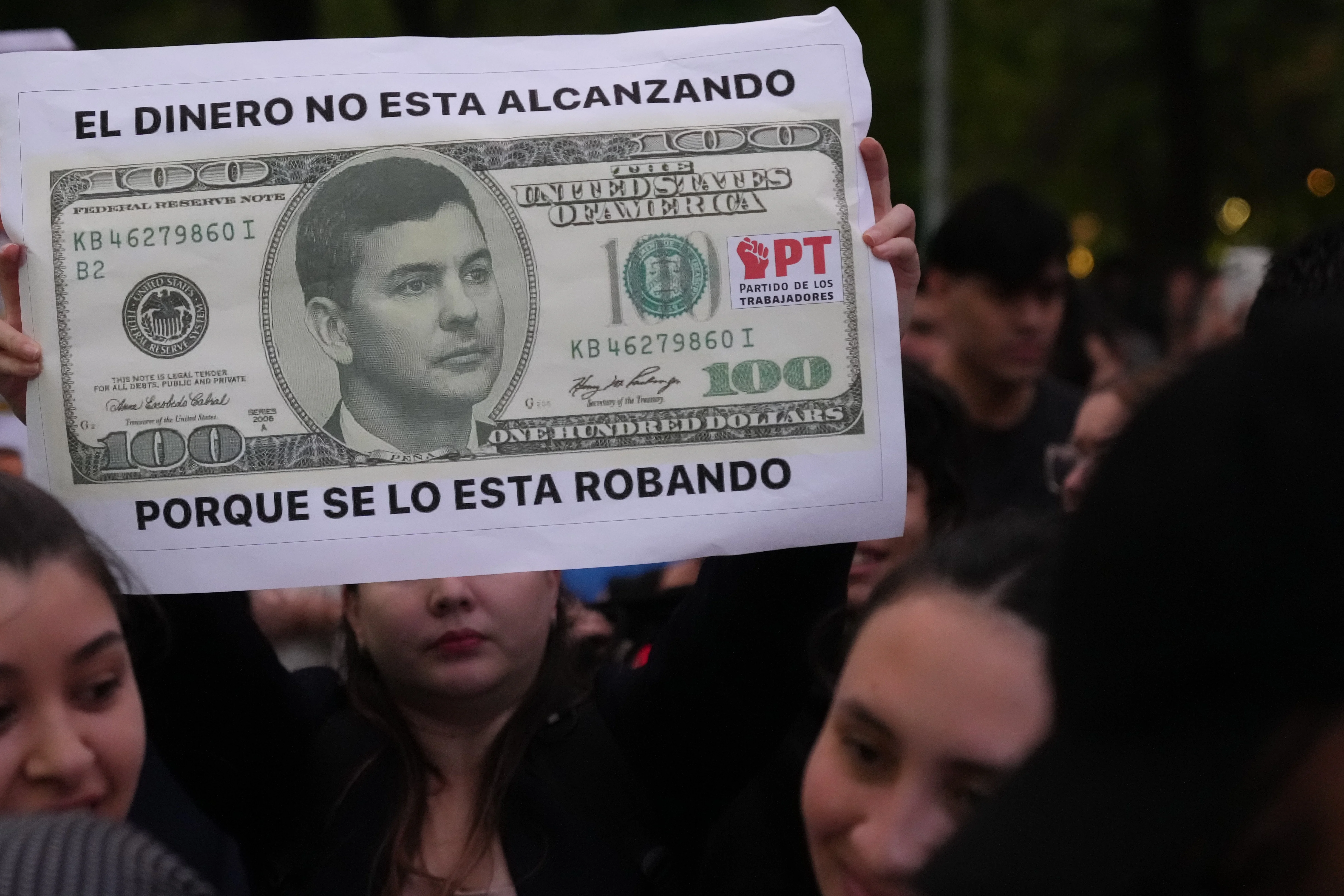
Paraguayan congress convened in Asunción on Thursday to consider impeachment charges against former President Santiago Peña, who had tendered his resignation the previous evening. Lawmakers cited alleged negligence in supervising the digital‑bank venture that collapsed overnight, arguing that his continued immunity would obstruct criminal investigations into the loss of public savings.
The troubled institution, Banco Digital Paraguay, was launched in 2022 with backing from the Ministry of Finance and promised high‑yield accounts to attract underbanked citizens. Within days of its failure, the central bank ordered a suspension of all transactions, leaving an estimated 1.3 million account holders unable to withdraw or transfer funds, effectively freezing roughly $1.2 billion.
In a televised address, Peña denied wrongdoing, claiming the bank’s downfall stemmed from external cyber‑attacks and a sudden liquidity crunch beyond his control. Opposition leader María López García, however, urged the Senate to act swiftly, while the Ministry of Economy pledged a rapid audit and a compensation plan pending legislative approval.
In-Depth Analysis & Key Details
The impeachment unfolds against a backdrop of Paraguay’s fragile democratic institutions, where past presidents have faced corruption probes but rarely lost immunity. The digital‑bank experiment was part of a broader push to modernize the financial system, yet regulatory frameworks lagged, allowing a loosely supervised fintech venture to amass a disproportionate share of the nation’s savings.
Economists warn that the fallout could reverberate through regional markets, as investors reassess exposure to emerging‑market fintechs. The IMF, which is negotiating a $1.5 billion loan program with Paraguay, has signaled that any perceived governance gaps may trigger stricter conditionalities, potentially slowing the rollout of planned infrastructure projects.
Legal scholars note that the impeachment procedure, triggered merely minutes after a resignation, tests the limits of Paraguay’s constitutional provisions. If upheld, it could set a precedent for holding former executives accountable, but critics argue it may politicize judicial processes and undermine the separation of powers.
"The rapid move to strip immunity underscores a watershed moment where political accountability collides with a fledgling digital economy."
Why This Matters & What Lies Ahead
For ordinary Paraguayans, the bank’s shutdown means immediate loss of access to life‑sustaining cash, jeopardizing small businesses, school fees, and medical expenses. The crisis also amplifies public distrust in state‑endorsed fintech solutions, potentially slowing digital inclusion efforts that aim to bring banking services to remote rural communities.
The coming weeks will see a Senate hearing on the impeachment, a central‑bank audit of the digital bank’s assets, and negotiations with international lenders over compensation mechanisms. Observers will watch for any legislative reforms that tighten fintech oversight, as well as potential legal challenges that could reshape Paraguay’s constitutional balance.
Source: Reported by NPR · Analyzed & Synthesized by DNB Newsroom