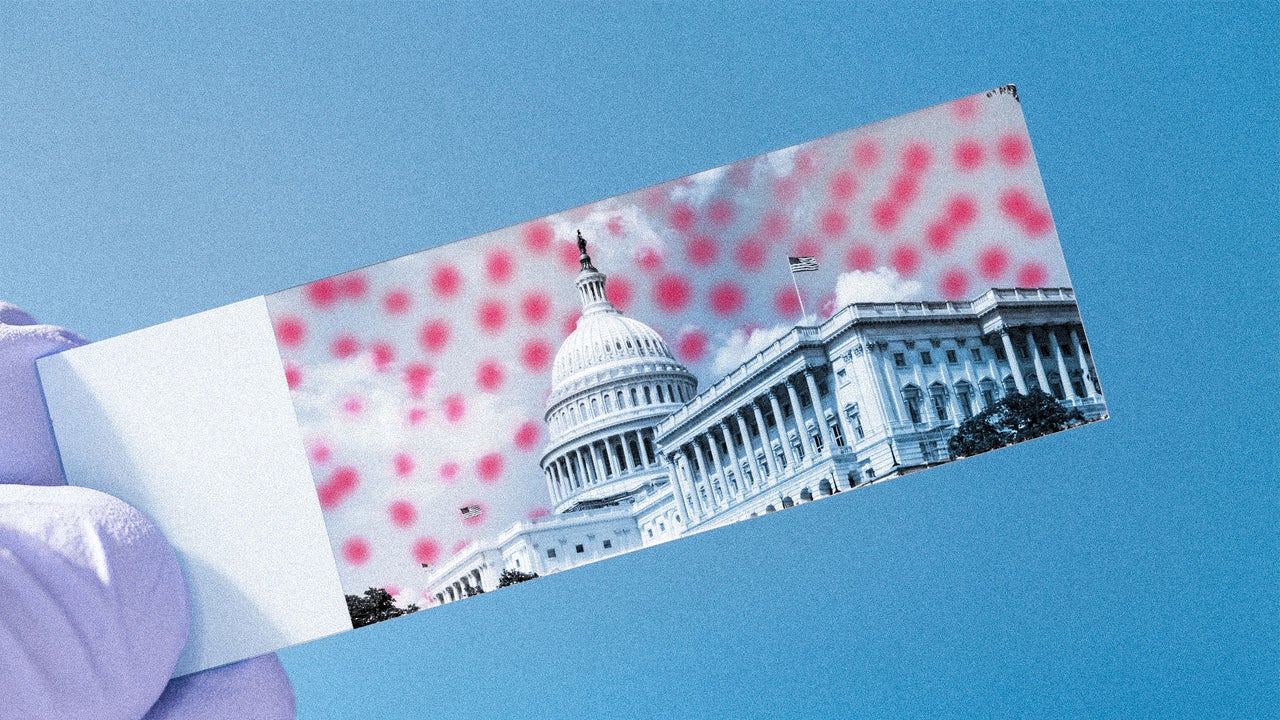
In a decisive move that underscores growing global health concerns, the Pan American Health Organization (PAHO) has formally withdrawn the United States from its list of countries with measles elimination status. This administrative action, executed this week, marks the end of a 26-year era during which the U.S. successfully maintained the interruption of endemic measles transmission. The revocation is not merely a statistical footnote but a formal recognition that the nation has failed to sustain the high levels of herd immunity required to keep the virus at bay, effectively signaling a return to a state of vulnerability that had been considered largely historical in recent decades.
The geographical and operational context of this shift is defined by recent localized outbreaks that have strained regional health departments. While the virus was previously contained through rapid response teams and high vaccination coverage, the current landscape reveals gaps in surveillance and public trust. The PAHO’s determination indicates that the U.S. no longer meets the rigorous criteria for elimination, which require sustained interruption of indigenous transmission for at least twelve months. This change in status places the United States in the same category as other nations currently grappling with active measles cases, altering how the country is perceived in international health diplomacy.
Official responses to the revocation have been mixed, with federal health agencies acknowledging the challenge while emphasizing ongoing efforts to boost vaccination rates. Public health advocates and epidemiologists have pointed to the structural changes within the U.S. government, specifically the reduction in funding and personnel for key health agencies, as a contributing factor to the decline. The immediate consequence is a heightened alert status for healthcare providers and local health departments, who are now tasked with more aggressive contact tracing and vaccination campaigns to prevent further spread.
In-Depth Analysis & Key Details
The historical background of the U.S. measles elimination status provides critical context for understanding the current crisis. Since 2000, the country relied on a combination of universal childhood vaccination mandates, robust surveillance systems, and rapid federal response capabilities to maintain its status. However, the structural forces that supported this achievement have eroded over the past decade. The reduction in federal public health infrastructure, coupled with a rise in vaccine hesitancy fueled by misinformation, has created a fragile immunity landscape. This erosion is not just a statistical trend but a systemic failure in maintaining the public health infrastructure necessary to prevent the resurgence of preventable diseases.
Competing perspectives on the issue highlight the tension between individual choice and collective responsibility. While some argue that vaccination is a personal decision, epidemiological data demonstrates that measles is so contagious that it can spread rapidly in communities with even modest gaps in immunity. The economic consequences of this tension are becoming apparent, as healthcare systems face increased costs associated with outbreak management, isolation protocols, and public health interventions. Regulatory debates are intensifying, with calls for stricter enforcement of vaccination requirements in schools and workplaces, while others advocate for more educational approaches to address hesitancy.
Expert domain context from public health analysts suggests that the revocation of elimination status is a warning sign rather than an immediate catastrophe. However, the technical intricacies of measles transmission mean that even a small number of unvaccinated individuals can trigger a significant outbreak. The virus’s high R0 value, or basic reproduction number, makes it particularly dangerous in densely populated urban areas. Industry tensions are also emerging, as travel and tourism sectors may face increased scrutiny and potential restrictions if outbreaks continue to spread. The situation underscores the importance of maintaining strong public health institutions and international cooperation to address global health challenges.
"The revocation of measles elimination status is not just a public health setback; it is a structural warning that the U.S. has weakened the very systems designed to protect its citizens from preventable disease."
Why This Matters & What Lies Ahead
For everyday readers, the loss of measles elimination status means a higher risk of exposure to a disease that can cause severe complications, including pneumonia, encephalitis, and death. This is particularly concerning for vulnerable populations, such as infants too young to be vaccinated, immunocompromised individuals, and those with underlying health conditions. The financial markets may also react to increased healthcare costs and potential disruptions in travel and tourism. Legislative implications are significant, as lawmakers may face pressure to reinstate or strengthen public health funding and vaccination mandates. The upcoming milestones to monitor include the results of new vaccination campaigns, the response of state health departments, and any international travel advisories issued by the World Health Organization.
Key upcoming milestones include the next quarterly report from the Centers for Disease Control and Prevention on measles case numbers, the outcome of congressional hearings on public health funding, and the release of new data on vaccination coverage rates. Regulatory votes on state-level vaccination exemptions and federal health agency budgets will also be critical to watch. The situation serves as a reminder that public health is not a static achievement but a dynamic process that requires continuous investment and vigilance. Failure to address the underlying causes of the decline in immunity could lead to a prolonged period of measles transmission, with significant consequences for public health and the economy.
Source: Reported by Fast Company · Analyzed & Synthesized by DNB Newsroom