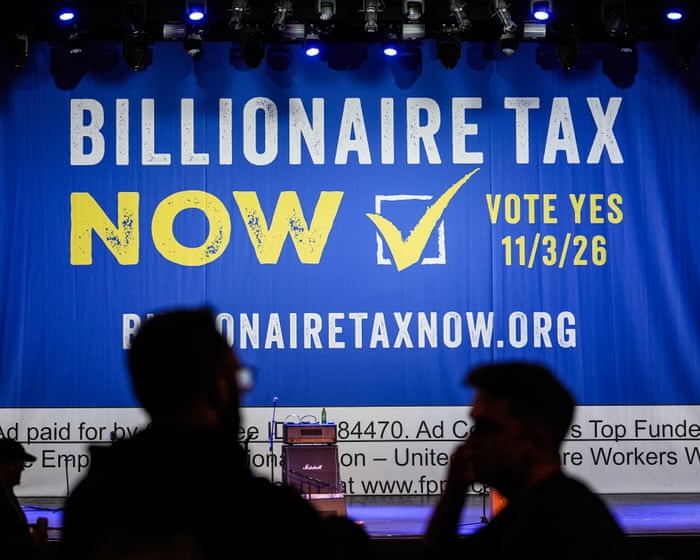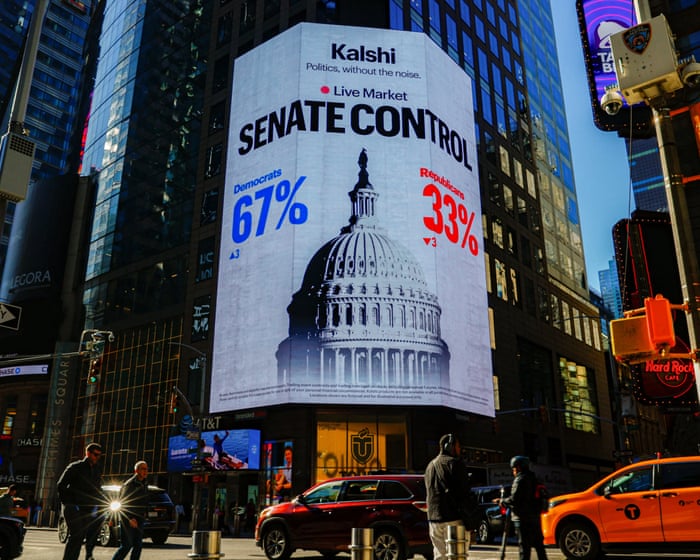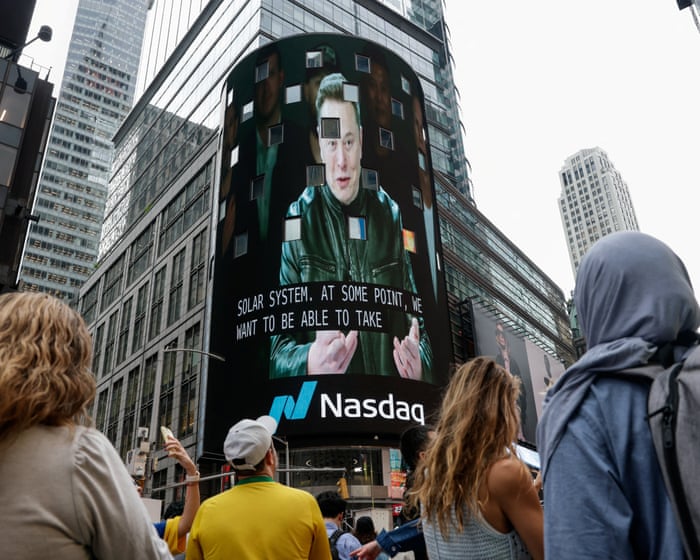
In a direct challenge to the financial opacity that has defined recent U.S. election cycles, a coalition of data journalists, civic technologists, and grassroots organizers has launched a comprehensive initiative to identify and publicize the sources of dark money in political advertising. This effort, highlighted in recent opinion pieces by prominent media figures, argues that the sheer volume of billions of dollars spent by corporations and tech moguls on provocative, often inaccurate political ads has created an imbalance in democratic discourse that only active citizen engagement can correct. The initiative moves beyond passive consumption of media, urging individuals to utilize available public records and investigative tools to trace the lineage of anonymous funding back to specific entities.
The operational focus of this movement is the intersection of digital data analysis and traditional investigative journalism. By cross-referencing Federal Election Commission filings with state corporate registry data, activists are building a real-time database that links specific political advertisements to the underlying LLCs and, ultimately, the natural persons or corporations behind them. This geographical and digital mapping is not limited to a single state but spans the entire national landscape, targeting major media markets where ad spending is most concentrated. The immediate context is the heightened scrutiny surrounding the role of technology executives in political financing, a trend that has accelerated since the 2010s.
Key stakeholders in this space, including media critics and political scientists, have responded with a mix of cautious optimism and strategic caution. Proponents argue that transparency is the only viable antidote to the distortion of public debate by unaccountable capital. Critics, however, note that while these tools are powerful, they do not constitute a legal barrier to spending, meaning the burden remains on the public to interpret and act upon the data. The launch of this coordinated effort signals a maturation of the civic tech movement, shifting from simple petitioning to complex, data-driven accountability mechanisms.
In-Depth Analysis & Key Details
The structural forces driving this phenomenon are rooted in the 2010 Supreme Court decision in Citizens United v. FEC, which effectively allowed unlimited independent expenditures by corporations and unions. This ruling created a legal framework where 'dark money'—spending by 501(c)(4) organizations that are not required to disclose their donors—could flourish. Historically, this has allowed large donors to shield their identities, creating a parallel political economy that operates outside the traditional checks and balances of campaign finance law. The current movement is a direct reaction to the perceived failure of regulatory bodies to curb this influence, suggesting that market-based transparency mechanisms may be more effective than legislative ones in the short term.
Competing perspectives on this issue highlight a deep divide in American political philosophy. On one side, proponents of free speech argue that any restriction on spending, whether direct or indirect, violates First Amendment rights. On the other, advocates for electoral integrity contend that the concentration of financial power in the hands of a few elites undermines the principle of political equality. The economic consequences of this tension are significant, as political advertising has become a multi-billion dollar industry, with major tech platforms serving as the primary distribution channels. The involvement of tech moguls in this ecosystem raises questions about conflict of interest, as these platforms control the algorithms that determine the reach and impact of the very ads they are funding or enabling.
Expert context from media scholars suggests that the effectiveness of these transparency tools depends heavily on public engagement and media literacy. If voters are not equipped to understand the implications of the data, the exposure of dark money sources may fail to translate into political accountability. Furthermore, the technical intricacies of tracing funds through layers of shell companies require sophisticated data science skills, which are not universally accessible. This creates a new form of elite engagement in civic processes, where those with the technical means to analyze data hold a disproportionate amount of influence over public discourse.
"The battle against dark money is no longer just about passing new laws; it is about empowering every citizen to become an investigator, using the very data that was meant to hide the truth to expose it."
Why This Matters & What Lies Ahead
For everyday readers, the implications of this movement are profound. It shifts the responsibility for political transparency from elected officials to the electorate itself, demanding a higher level of engagement and critical thinking. Consumers of political advertising are no longer passive recipients of messages but active participants in a larger accountability framework. This has direct financial implications for political campaigns, as candidates who rely on anonymous funding may face increased scrutiny and potential backlash from voters who are now better informed about the sources of their support. The broader impact on public policy is the potential for a cultural shift that stigmatizes anonymous political spending, thereby reducing its appeal to donors.
Looking ahead, several key milestones will determine the trajectory of this movement. The upcoming primary elections will serve as the first major test of whether increased transparency leads to measurable changes in voter behavior or candidate messaging. Regulatory bodies, including the Federal Election Commission, are monitoring these developments closely, and there is a possibility that the success of these grassroots efforts could inform future legislative proposals aimed at strengthening disclosure requirements. Additionally, the role of social media platforms in amplifying or suppressing this information will be a critical factor to watch, as these companies face increasing pressure to be transparent about their own political ad policies and the monetization of political content.
Source: Reported by Guardian Opinion · Analyzed & Synthesized by DNB Newsroom