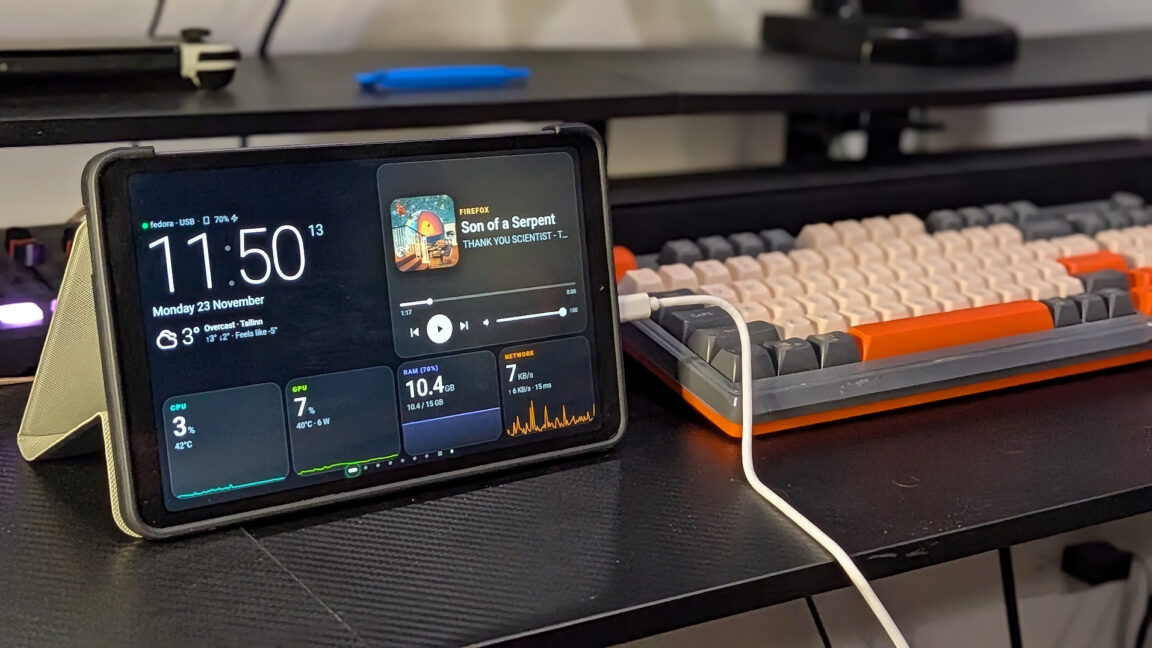
In a significant shift toward sustainable technology utilization, the open-source community has introduced PhoneBox, a dashboard designed to reactivate dormant Android smartphones as functional desktop accessories. The tool operates by establishing a direct link between the mobile device and a host computer, allowing the phone’s display and input capabilities to be mapped to the desktop environment. This approach bypasses the need for expensive docking stations or proprietary software, relying instead on standard communication protocols to bridge the gap between mobile and desktop operating systems.
The operational simplicity of PhoneBox is its primary differentiator in a market saturated with complex remote access tools. Users are required only to execute a single terminal command on the host machine to initiate the handshake process, after which the Android device assumes the role of a secondary display or input terminal. This immediate utility makes the solution particularly attractive for developers, engineers, and hobbyists who possess a backlog of functional but unused smartphones. The geographical and hardware constraints are minimal, as the solution works across a wide range of Android versions and host operating systems, provided basic connectivity is established.
Initial responses from the developer community have been overwhelmingly positive, with many users citing the tool’s transparency and ease of deployment as key advantages. Unlike commercial alternatives that often obscure their underlying mechanisms, PhoneBox allows for full visibility into the data flow between devices. Stakeholders in the open-source ecosystem view this project as a testament to the enduring power of community-driven innovation, offering a tangible example of how existing technology can be reimagined to solve contemporary problems of efficiency and sustainability without incurring additional hardware costs.
In-Depth Analysis & Key Details
The emergence of PhoneBox is rooted in the broader historical trend of rapid technological obsolescence, where devices are discarded not because they are broken, but because they are no longer fashionable or supported by the latest software updates. For years, the tech industry has promoted a model of continuous consumption, encouraging users to upgrade to newer models every one to two years. However, structural forces such as rising hardware costs and growing environmental concerns are beginning to shift this paradigm. PhoneBox represents a counter-narrative, suggesting that the computational power and display technology in older devices remain robust enough for specific, high-value tasks such as monitoring, data entry, or secondary display functions.
From a regulatory and economic perspective, the proliferation of tools like PhoneBox intersects with the global push for circular economy principles. Governments and environmental agencies are increasingly scrutinizing the lifecycle of electronic products, imposing stricter regulations on e-waste and promoting repairability and reuse. By providing a free, open-source method to extend the life of existing devices, PhoneBox aligns with these regulatory goals, potentially reducing the carbon footprint associated with manufacturing new peripherals. Industry analysts observe that while large tech corporations may view such third-party tools as a minor disruption to their accessory sales, the broader impact lies in empowering consumers to make more informed, cost-effective decisions about their hardware investments.
Technical intricacies of the solution rely on standard USB or Wi-Fi protocols to transmit display data and input signals, bypassing the need for complex virtual machine setups. This efficiency is critical for ensuring that the host computer’s performance is not significantly degraded by the peripheral connection. Competing perspectives in the tech community often debate the security implications of connecting untrusted devices to primary workstations; however, the open-source nature of PhoneBox allows security experts to audit the codebase, providing a level of transparency that proprietary solutions rarely offer. This transparency is crucial for building trust among enterprise users who may be hesitant to adopt third-party hardware management tools.
"The true value of modern hardware lies not in its novelty, but in its adaptability; PhoneBox proves that a forgotten phone is not waste, but an untapped resource waiting for the right software key."
Why This Matters & What Lies Ahead
For everyday consumers, the availability of PhoneBox offers a direct financial and environmental benefit. By repurposing old smartphones, users can reduce their spending on new monitors, keyboards, or docking stations, while simultaneously diverting electronic waste from landfills. This is particularly relevant for students, freelancers, and small businesses operating on tight budgets, who can leverage existing hardware to enhance their productivity without significant capital expenditure. The broader public policy implication is a potential reduction in the volume of e-waste, a growing concern for municipal waste management systems and environmental regulators worldwide.
Looking ahead, key milestones to monitor include the adoption of similar open-source tools by larger tech enterprises and the potential integration of such features into mainstream operating systems. Regulatory bodies may also begin to issue guidelines on the reuse of electronic devices, potentially creating new standards for software compatibility across different hardware generations. Users and developers should watch for updates to the PhoneBox codebase, particularly regarding security patches and compatibility with the latest Android versions, to ensure the tool remains a viable and safe option for long-term hardware reuse.
Source: Reported by Ars Technica · Analyzed & Synthesized by DNB Newsroom