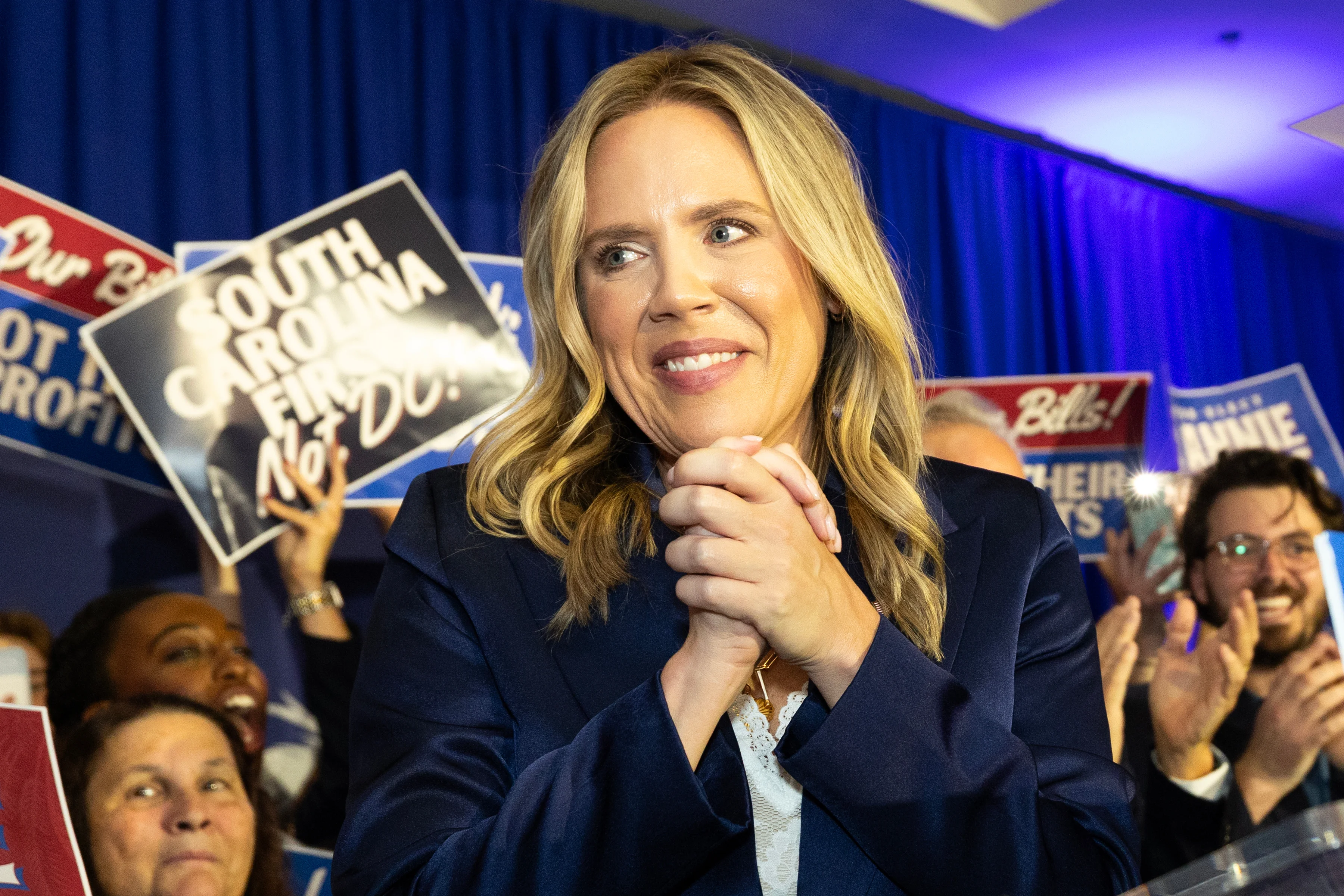
On Tuesday night, Ohio voters cast ballots that would reshape the state's executive branch. Democrat Amy Acton, a former health commissioner, edged out Republican challenger Vivek Ramaswamy by a narrow margin of 0.5 percentage points, securing 50.3% of the vote in a turnout that exceeded 4.5 million.
The contest unfolded across Ohio's 88 counties, with Acton gaining decisive support in urban centers such as Columbus and Cleveland, while Ramaswamy performed strongly in rural districts. The final days were marked by a contentious attack advertisement featuring Ramaswamy, which critics labeled misleading and prompted national scrutiny.
Acton immediately issued a statement thanking voters and pledging to prioritize public health and economic recovery. Ramaswamy, meanwhile, conceded but urged the electorate to remain vigilant against misinformation. Party leaders from both sides have called for a post-election review of campaign practices.
In-Depth Analysis & Key Details
Ohio's political trajectory has long been a bellwether for national elections, with its blend of industrial heartland and suburban swing voters. Acton's background in public health, honed during the COVID-19 pandemic, positioned her as a pragmatic candidate capable of navigating complex policy arenas.
The controversy surrounding Ramaswamy's ad underscores a broader debate over digital campaign transparency. While the Federal Election Commission has tightened rules on third-party advertising, state-level enforcement remains uneven, raising questions about the efficacy of current regulatory frameworks.
Industry analysts note that Acton's win could accelerate bipartisan cooperation on healthcare innovation, especially given Ohio's status as a biotech hub. However, skeptics warn that her moderate stance may temper aggressive regulatory reforms championed by the Republican base.
"The election not only broke a gender barrier but also spotlighted the urgent need for clearer standards in digital political advertising."
Why This Matters & What Lies Ahead
For Ohio residents, Acton's administration will directly influence Medicaid expansion, infrastructure funding, and workforce development initiatives. The governor's office will also oversee the state's response to future public health emergencies, a critical concern for a population with high rates of chronic illness.
Key milestones to watch include the upcoming state budget session, scheduled for March, and the federal Senate hearing on campaign finance reform slated for April. Analysts predict that Ohio's new leadership will play a pivotal role in shaping national policy discussions on healthcare and election integrity.
Source: Reported by NPR · Analyzed & Synthesized by DNB Newsroom