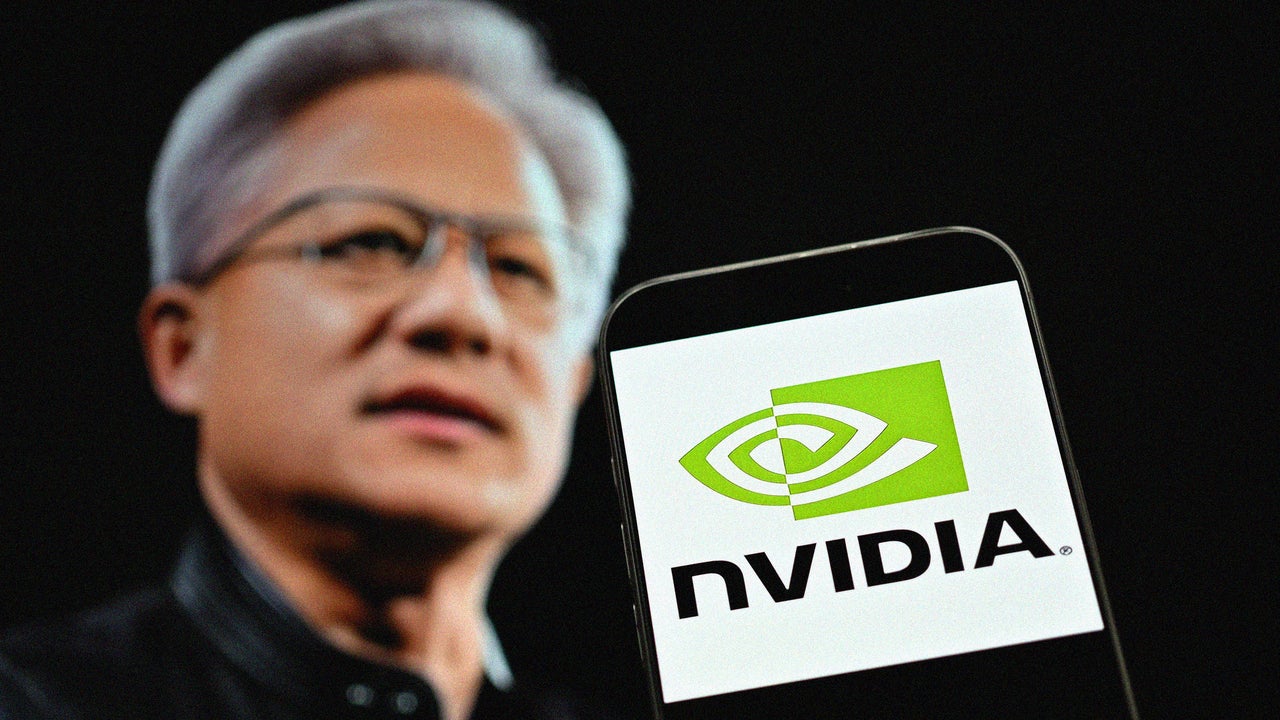
The semiconductor giant Nvidia has undergone a sudden and significant shift in its executive leadership structure, with the company’s board of directors voting to reinstate Jensen Huang as President and Chief Executive Officer. This decisive action came less than seven days after the board had previously indicated it would not restore Huang to his previous position, marking a rapid and controversial pivot in the company’s governance trajectory. The reversal effectively nullifies the prior decision, placing Huang back at the helm of one of the world’s most valuable technology firms during a critical period of market volatility and AI-driven growth.
The immediate context for this leadership shake-up is deeply intertwined with political dynamics, as President Donald Trump publicly championed Huang’s return. Reports indicate that the President did not limit his support to public statements but reportedly made direct contact with Nvidia’s board members, urging them to reconsider their stance. This direct intervention by the head of state into a private corporate boardroom decision represents an unusual blurring of lines between political authority and corporate autonomy, particularly within the high-stakes domain of critical infrastructure technology.
Official reactions to the reinstatement have been measured, with Nvidia emphasizing its commitment to stability and strategic continuity. While the company has not publicly detailed the specific terms of Huang’s return or any compensation adjustments, the board’s unanimous decision to reverse course signals a prioritization of operational consistency over the initial governance dispute. Stakeholders, including investors and industry partners, are closely monitoring how this leadership restoration will impact Nvidia’s ongoing projects and its broader market positioning in the global AI supply chain.
In-Depth Analysis & Key Details
The historical context of this event underscores the increasing centrality of semiconductor leadership to national security and economic strategy. As the primary architect of the modern AI hardware revolution, Jensen Huang’s role at Nvidia has transcended traditional corporate boundaries, making his position a matter of geopolitical interest. The board’s initial move to remove him likely stemmed from internal governance concerns or strategic disagreements, but the swift reversal suggests that the external political and economic costs of such a leadership vacuum were deemed too high to sustain.
Competing perspectives on this incident reveal a tension between corporate independence and state interest. Industry analysts observe that while boards traditionally operate with fiduciary duties to shareholders, the strategic importance of Nvidia’s technology has invited scrutiny from political figures who view the company as a pillar of national technological advantage. This dynamic raises questions about the long-term implications for board autonomy, particularly if political actors become more active in shaping executive leadership at key tech firms. The economic consequences of this instability, however brief, may include temporary market uncertainty and heightened scrutiny from regulatory bodies monitoring corporate governance in critical sectors.
From a domain-specific standpoint, the episode highlights the fragility of leadership continuity in companies that serve as foundational infrastructure for emerging technologies. Aviation safety advocates and other industry observers often stress the importance of stable leadership in high-risk sectors, and a similar logic applies to the semiconductor industry, where complex supply chains and long-term R&D investments require consistent strategic direction. The rapid restoration of Huang suggests that the board recognized the potential disruption to Nvidia’s strategic roadmap had they proceeded with his removal, prioritizing operational stability over the initial governance dispute.
"The reinstatement of Jensen Huang marks a pivotal moment where political influence and corporate governance converge, raising fundamental questions about the independence of board decisions in the age of strategic technology."
Why This Matters & What Lies Ahead
For everyday readers and global markets, this leadership reversal has immediate implications for the stability of the AI and semiconductor sectors. Nvidia’s stock performance and broader tech market sentiment are closely tied to perceptions of corporate stability, and the swift resolution of this leadership dispute may help mitigate short-term volatility. Additionally, the incident underscores the growing role of political figures in shaping the trajectory of key technology companies, which could influence consumer access to AI-driven products and services as regulatory frameworks evolve.
Upcoming milestones to monitor include any formal regulatory reviews into the board’s decision-making process and potential legislative discussions on the intersection of political influence and corporate governance in critical technology sectors. Investors should also watch for any changes in Nvidia’s strategic partnerships or R&D priorities as Huang resumes his role, as these developments will have direct consequences for the global supply chain and the pace of AI innovation. The coming weeks will be crucial in determining whether this episode marks a temporary anomaly or a new precedent for political involvement in corporate leadership.
Source: Reported by Fast Company · Analyzed & Synthesized by DNB Newsroom