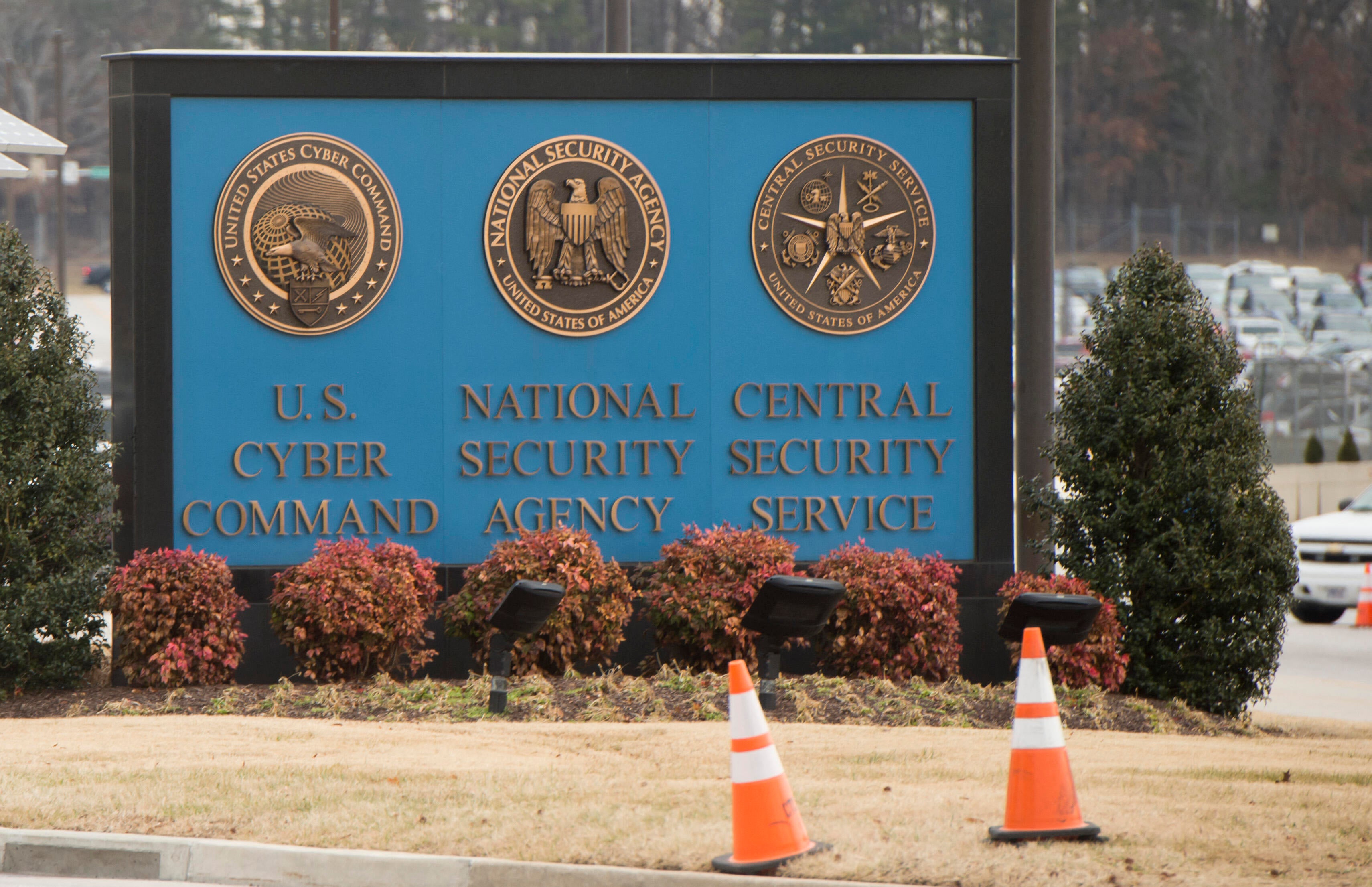
The National Security Agency, the primary intelligence agency of the U.S. Department of Defense, reported a significant disruption to its classified internal network on Tuesday. The outage, which affected internal communications and data access, triggered an immediate response from agency leadership and technical teams tasked with restoring full operational capability. This development marks one of the more notable incidents affecting the NSA's digital infrastructure in recent months, drawing attention to the operational continuity of America's most sensitive intelligence apparatus.
The disruption occurred during standard business hours, with the network going offline around noon Eastern Time. While the specific scope of the outage remains under active investigation, the incident likely impacted analysts and operators relying on real-time data feeds and secure messaging platforms. The geographical reach of the outage appears to be confined to the agency's internal systems, though the interconnectivity of modern intelligence networks means that downstream effects on allied agencies cannot be entirely ruled out.
In response to media inquiries, two U.S. officials provided a preliminary assessment to CBS News, stating that there is no evidence to suggest the outage was the result of a cyberattack. This initial finding shifts the focus from external threat actors to potential internal technical failures, such as hardware malfunctions, software bugs, or network configuration errors. The agency has not yet released a detailed timeline or technical report, but officials emphasized that security protocols remained intact throughout the incident.
In-Depth Analysis & Key Details
Historically, the NSA has faced increasing pressure to modernize its infrastructure while maintaining the highest levels of security. The transition from legacy systems to more interconnected, cloud-based architectures has introduced new vulnerabilities, even as it enhances data processing capabilities. This incident serves as a reminder that the complexity of modern digital systems can lead to unforeseen failures, regardless of the presence or absence of malicious actors. The structural forces at play include the rapid evolution of cyber threats, which demand constant updates and patches, potentially introducing instability into otherwise stable systems.
Competing perspectives on this incident range from those who view it as a routine technical glitch to those who see it as a symptom of deeper systemic issues within the U.S. intelligence community. Regulatory debates surrounding the balance between security and operational efficiency are likely to be reignited, with lawmakers and industry analysts calling for greater transparency and robustness in critical infrastructure. Economic consequences, while not immediately apparent, could arise if the outage leads to delays in intelligence sharing or decision-making processes that affect national security operations.
Expert domain context suggests that even in the absence of a cyberattack, the incident highlights the importance of redundancy and failover mechanisms in high-stakes environments. Industry analysts observe that the resilience of such systems is a continuous challenge, requiring ongoing investment in both technology and human expertise. The technical intricacies of the NSA's network, while not publicly detailed, are understood to be among the most complex in the world, making any disruption a significant event that warrants thorough investigation.
"The absence of a confirmed cyberattack does not diminish the severity of the outage; rather, it underscores the critical need for resilient infrastructure that can withstand both external threats and internal technical failures."
Why This Matters & What Lies Ahead
For everyday readers, this incident serves as a stark reminder of the invisible digital infrastructure that underpins national security and, by extension, public safety. While the direct impact on consumers is minimal, the broader implications for trust in government institutions and the reliability of critical systems are significant. Financial markets may react to any perceived vulnerabilities in the U.S. defense sector, potentially affecting defense contractors and technology firms involved in cybersecurity. Legislative implications include increased scrutiny of funding and oversight for intelligence agencies, with lawmakers likely to demand detailed reports and accountability for the incident.
Upcoming milestones to monitor include the release of a formal investigation report by the NSA, which is expected to detail the root cause of the outage and any corrective actions taken. Congressional hearings on cybersecurity and intelligence infrastructure may also be scheduled in the coming weeks, providing a platform for experts and officials to discuss the incident's implications. Additionally, regulatory bodies may review existing standards for critical infrastructure resilience, potentially leading to new guidelines or mandates for government agencies and private sector partners.
Source: Reported by CBS News · Analyzed & Synthesized by DNB Newsroom