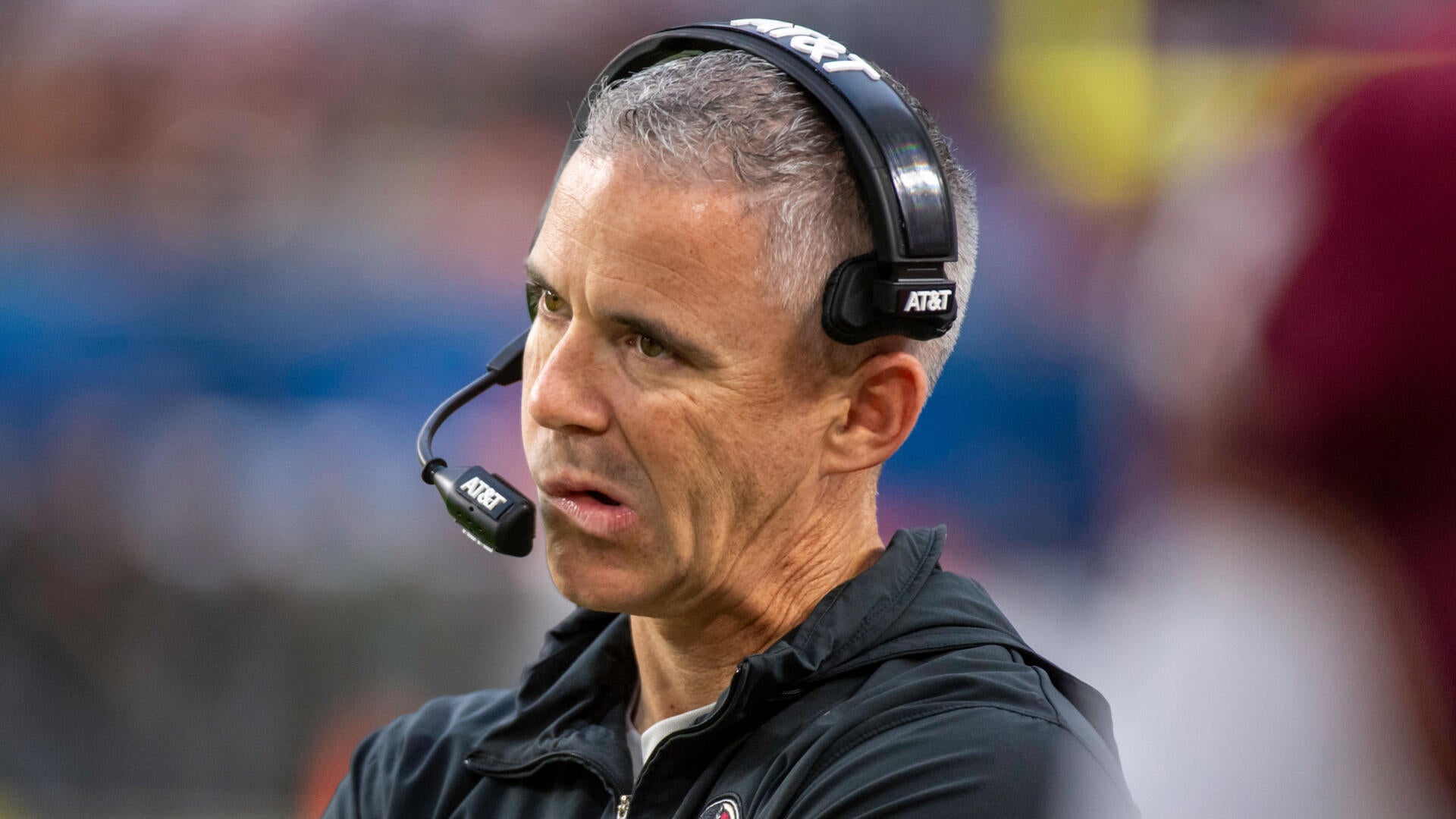
The era of Mike Norvell at Florida State University has come to a definitive and costly end, driven by a catastrophic sequence of events that began with the 2023 Orange Bowl. The Seminoles, who had finished the regular season with high expectations, were denied a spot in the College Football Playoff by the selection committee, a decision that many within the program viewed as unjust. The subsequent loss to the opposing team by a score of 63-3 was not merely a defeat but a systemic failure that exposed deep-seated issues in preparation, player development, and in-game management. This single game shattered the fragile confidence that had been built during Norvell’s initial years in Tallahassee.
The immediate operational fallout was severe. The 63-3 scoreline is among the worst in modern Florida State history and served as a public indictment of the coaching staff’s ability to compete at the elite level. In the seasons that followed, the program struggled to regain its footing, posting a combined record of 10-23. This prolonged losing streak eroded the support of the fanbase, the athletic department, and the university’s leadership. The decision to invoke the buyout clause was not made in isolation but was the result of months of internal deliberations regarding the direction of the football program and the feasibility of retaining a coach who could not reverse the downward trajectory.
University officials have confirmed that the separation is mutual in spirit, though the financial terms are dictated by the existing contract. The $50 million payout reflects the premium placed on head coaching positions in the modern college football landscape. While no specific statements from Norvell have been released regarding the specific tactical failures, the athletic department emphasized that the decision was based on a comprehensive review of performance metrics, player retention, and overall program culture. The immediate next step involves a national search for a successor who can restore the program to its traditional status as a perennial contender in the Atlantic Coast Conference and the national rankings.
In-Depth Analysis & Key Details
The collapse of the Norvell tenure cannot be understood in isolation from the broader structural shifts in college football. The 2023 season was a pivotal moment in the evolution of the College Football Playoff, where the committee’s discretion led to controversial exclusions that alienated several major programs. For Florida State, the snubbing was particularly painful because the team had demonstrated the talent and regular-season success to justify its inclusion. This external validation gap created an internal crisis of confidence that the coaching staff was unable to resolve. The subsequent 63-3 loss in the Orange Bowl was the physical manifestation of this internal disarray, highlighting a team that was outmatched physically and mentally by a superior opponent.
From a financial perspective, the $50 million buyout underscores the escalating costs of coaching turnover in the SEC, ACC, and other power conferences. These figures reflect the increased revenue streams generated by the new media rights deals and the heightened value of brand equity associated with marquee programs. However, the return on investment for Norvell’s tenure has been negative, as the program failed to achieve the consistent success required to justify the financial commitment. The 10-23 record over two seasons is a stark contrast to the program’s historical performance and raises questions about the recruitment strategies and player development systems implemented during this period.
Experts in college football operations argue that the failure was not solely tactical but cultural. The inability to retain key players and the decline in on-field execution suggest deeper issues within the program’s infrastructure. The transition to a new coaching staff will require a fundamental reevaluation of these systems. The new head coach will inherit a roster that is in flux, with many players potentially transferring to other programs, adding another layer of complexity to the rebuilding process. The challenge will be to stabilize the program quickly while establishing a new identity that resonates with the fanbase and the university’s broader mission.
"The 63-3 loss was not just a game; it was the final nail in the coffin of a tenure that failed to translate talent into sustained excellence."
Why This Matters & What Lies Ahead
The departure of Mike Norvell and the associated $50 million buyout have immediate implications for the college football landscape. For fans and stakeholders, this marks the beginning of a new chapter for Florida State, a program with a rich history and a large, passionate fanbase. The financial outlay will impact the athletic department’s budget, potentially affecting other sports and facilities. However, the primary focus will be on the search for a new head coach, which will likely attract top-tier candidates from across the country. The success of this search will determine whether Florida State can return to its status as a national powerhouse or if it will continue to struggle in the competitive ACC.
In the coming months, several key milestones will shape the program’s future. The release of the coaching search timeline, the identification of finalists, and the eventual hiring decision will be closely watched by the media and the fanbase. Additionally, the impact on player recruitment will be a critical factor, as prospects will be evaluating the program’s stability and direction. The new head coach will face the difficult task of rebuilding trust and establishing a winning culture. The next few weeks will be crucial in setting the tone for this transition, and the decisions made during this period will have long-lasting effects on the program’s trajectory.
Source: Reported by CBS Sports · Analyzed & Synthesized by DNB Newsroom