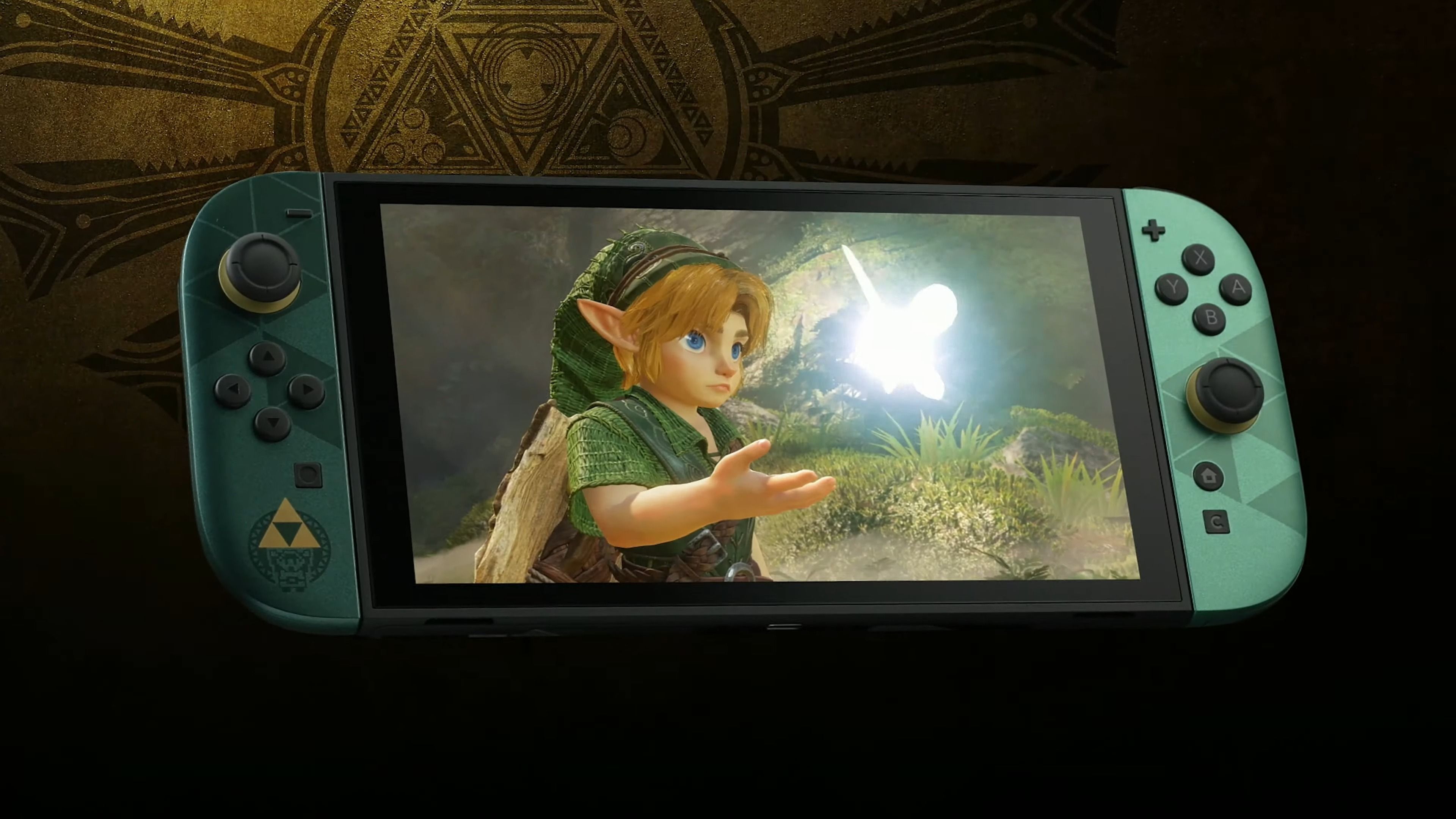
Nintendo of America and its international subsidiaries have confirmed that the Legend of Zelda 40th Anniversary Edition Switch 2 console will be made available again in January 2027. This announcement follows a period of intense consumer frustration and resale market volatility, where the initial stock of the commemorative hardware vanished from shelves immediately after its debut. The special edition bundle, which features exclusive livery celebrating four decades of the iconic action-adventure series, was positioned as a premier collectible item for both long-time fans and prospective buyers of the new hardware generation.
The immediate operational context of the launch revealed a stark disparity between supply and demand, a recurring theme in the release of limited-edition gaming hardware. Major retail partners and Nintendo’s own online store reported complete inventory depletion within the first hour of availability. This rapid sellout triggered a surge in third-party marketplace listings, where prices for the standard retail bundle escalated significantly above the manufacturer’s suggested retail price, creating a barrier for casual consumers who missed the initial window.
In its official communication, Nintendo emphasized its commitment to making the hardware accessible to a broader audience, framing the January 2027 restock as a response to community feedback. The company did not disclose specific production quantities for the upcoming batch but indicated that additional units are being manufactured to meet anticipated demand. Stakeholders in the gaming industry have noted that this move aligns with Nintendo’s historical pattern of restocking high-demand limited editions, albeit with varying degrees of success in curbing aftermarket speculation.
In-Depth Analysis & Key Details
The resurgence of demand for the Zelda 40th Anniversary Switch 2 bundle is rooted in the franchise’s unique position within the gaming landscape. As one of the most enduring and culturally significant video game series in history, Zelda carries a weight of nostalgia and brand loyalty that transcends typical hardware cycles. The 40th anniversary milestone amplifies this effect, transforming the console from a mere piece of technology into a commemorative artifact. Industry analysts observe that such limited-edition releases serve as powerful marketing tools, driving interest in the base hardware model by leveraging the emotional connection fans have with the franchise.
From a regulatory and market perspective, the sellout event highlights the ongoing tension between manufacturer-controlled supply and free-market dynamics in the gaming sector. While Nintendo retains control over production volumes, the secondary market operates independently, often leading to price gouging that alienates core consumers. Competing perspectives suggest that while limited editions drive hype, they can also generate negative sentiment if perceived as exclusionary. The economic consequences for consumers include higher entry costs for new hardware, while for retailers, it represents a missed opportunity for sustained foot traffic and sales over a longer period.
Expert domain context indicates that the timing of the January 2027 restock is likely strategic, aligning with the holiday shopping season and the peak period for consumer spending. This timing allows Nintendo to capitalize on increased disposable income and gift-giving behavior, potentially absorbing a larger portion of the demand that spilled over into the resale market. Furthermore, the delay provides the company with additional time to optimize its supply chain, ensuring that the next batch of consoles is distributed more effectively across global retail partners.
"The 40th anniversary of Zelda is not just a milestone for the franchise, but a test of Nintendo’s ability to balance exclusive collectibility with broad consumer accessibility in an era of intense digital scarcity."
Why This Matters & What Lies Ahead
For everyday consumers and collectors, the confirmed restock of the Zelda 40th Anniversary Switch 2 bundle represents a critical opportunity to acquire the hardware at its intended retail price, bypassing the inflated costs of the secondary market. This development is particularly significant for new entrants to the Switch 2 ecosystem who may have been deterred by the initial unavailability of the special edition. The broader impact extends to the gaming community’s perception of fairness in limited-release strategies, as Nintendo’s decision to restock signals a responsiveness to consumer demand that can influence future release models for other high-profile titles and hardware variants.
Looking ahead, key milestones to monitor include the exact release date within January 2027 and the distribution strategy employed by Nintendo and its retail partners. Consumers should watch for pre-order windows, which may open in the preceding months, as these will likely determine access to the limited inventory. Additionally, the performance of the restock in terms of sales velocity and consumer satisfaction will provide valuable insights into the long-term viability of the Switch 2 platform and the continued relevance of physical, limited-edition hardware in an increasingly digital market. Regulatory bodies and consumer advocacy groups may also keep a close eye on resale practices, potentially prompting discussions about transparency and fairness in the distribution of high-demand consumer electronics.
Source: Reported by Polygon · Analyzed & Synthesized by DNB Newsroom