Election night results confirmed a fragmented Parliament, with incumbent Labour losing its outright grip and opposition National emerging as the largest single party but still short of the 61 seats needed for a governing majority. The electorate’s split reflects growing voter fatigue with traditional party narratives and a surge in support for Greens, ACT and Māori‑focused parties, each now holding pivotal leverage.
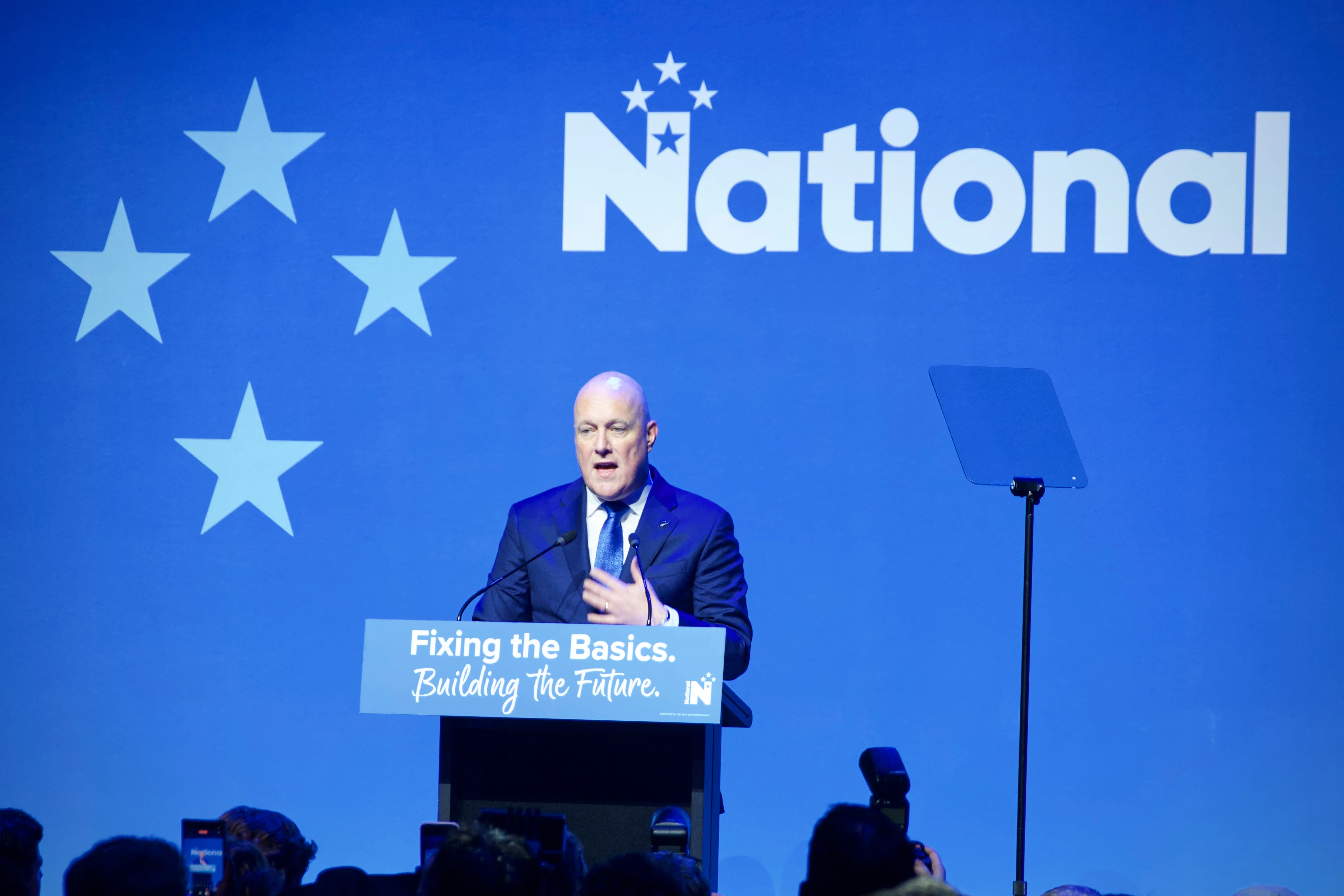
In the immediate aftermath, Christopher Luxon, leader of National, declared his intent to lead a caretaker government while coalition discussions unfold. The caretaker cabinet will retain essential services and maintain fiscal prudence, but will refrain from launching new legislative initiatives until a formal coalition agreement is signed.
Luxon’s public remarks underscored a desire for a political breather, stating, “I think everyone’s over politics, so let’s all have a bit of a break for the next three weeks.” Opposition leaders, including Labour’s Chris Hipkins, echoed the call for a measured negotiation period, while smaller party heads signaled readiness to broker policy‑rich accords that could reshape the next government’s agenda.
In-Depth Analysis & Key Details
New Zealand’s mixed‑member proportional (MMP) framework, adopted in 1996, deliberately disperses power to prevent single‑party dominance, making coalition building an intrinsic part of governance. Historically, the 2017 and 2020 elections demonstrated how minor parties could extract policy concessions by holding the balance of power, a pattern resurfacing in this cycle.
The current stalemate pits National’s market‑oriented platform against Labour’s progressive agenda, with the Greens demanding stronger climate commitments, ACT pushing for deregulation, and Te Pāti Māori seeking enhanced indigenous rights. Negotiations will therefore involve intricate trade‑offs on housing supply, carbon‑neutral targets, and fiscal policy, each carrying distinct economic ramifications.
Political scientists note that prolonged talks can erode public confidence, yet they also provide an arena for innovative policy synthesis. Experts from the University of Auckland warn that if parties fail to reach a consensus by the constitutional deadline of 25 days, the Governor‑General could call a fresh election, a scenario that would further destabilize markets and voter sentiment.
""The real test now is not who won the most votes, but whether New Zealand’s parties can stitch together a coalition that balances economic pragmatism with the electorate’s demand for social progress," said political analyst Dr. Maya Patel."
Why This Matters & What Lies Ahead
For everyday New Zealanders, the outcome of the coalition talks will directly affect the timing of critical reforms on affordable housing, the rollout of renewable energy projects, and adjustments to tax policy that impact middle‑income families. A delayed or unstable government could stall infrastructure spending, prolonging supply‑chain bottlenecks that already strain the construction sector.
Investors and foreign partners will monitor the negotiation timeline closely, as any indication of policy continuity or disruption influences the New Zealand dollar and the country’s credit rating. Upcoming parliamentary committee hearings on the coalition agreement, slated for early December, and a potential confidence vote in January are key milestones that will signal the durability of the emerging alliance.
Source: Reported by NPR · Analyzed & Synthesized by DNB Newsroom