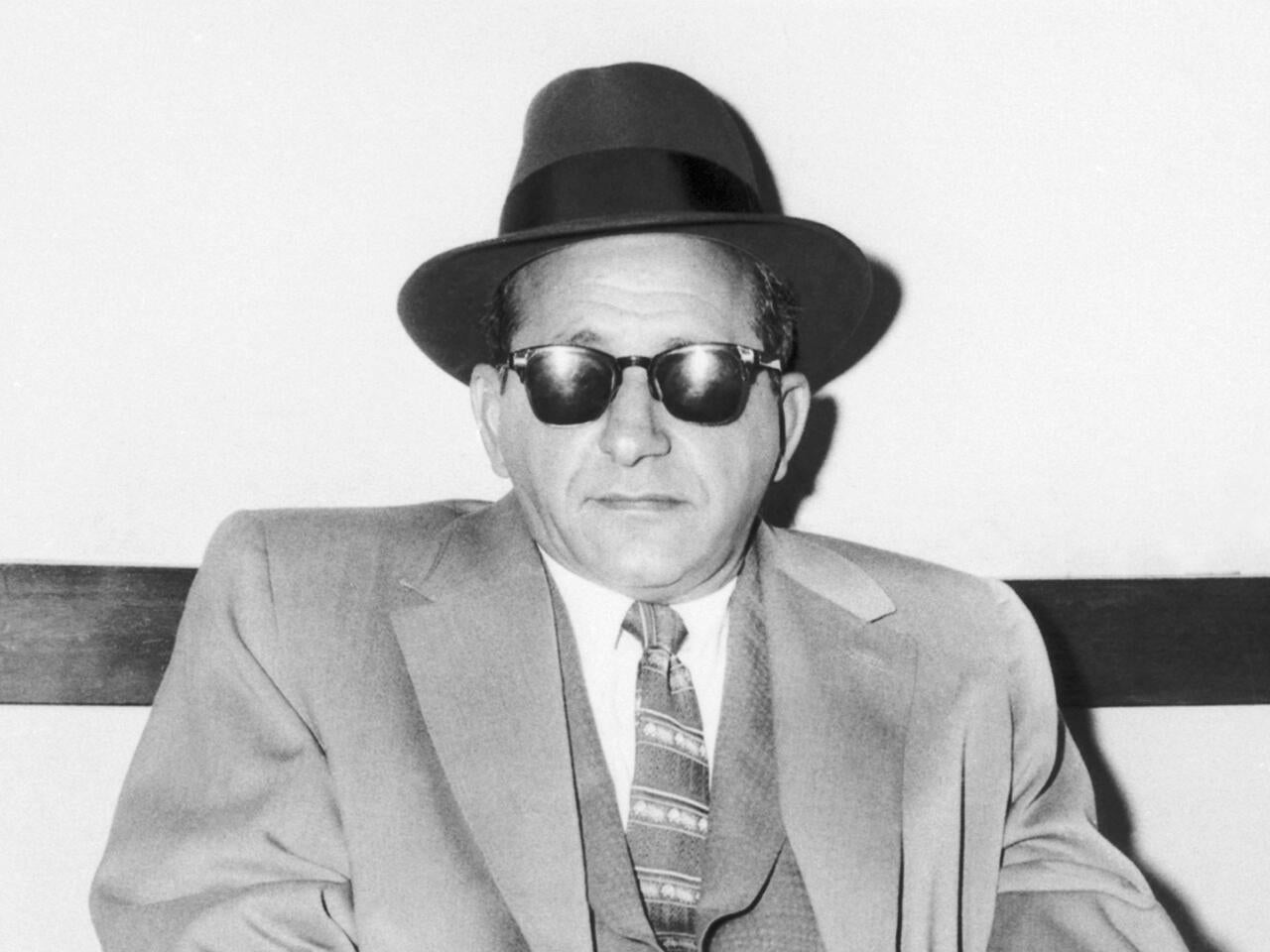
A new cinematic work has entered the cultural discourse surrounding the assassination of President John F. Kennedy, presenting a narrative that links the event directly to the Chicago crime family. The film, developed by screenwriter Nicki Celozzi, posits that the murder was not the act of a solitary actor but part of a broader conspiracy involving Sam Giancana, the notorious boss of the Chicago Outfit. This theoretical framework suggests that organized crime elements played a pivotal role in the events of November 1963, challenging the decades-old consensus established by federal investigations.
The production features actor John Travolta, who lends his prominence to the project, and includes substantive contributions from Bonnie Giancana, the daughter of the alleged conspirator. Bonnie’s participation provides a unique perspective, offering familial context and potentially new insights into the movements and associations of her father during the critical period leading up to the president’s death. The geographical focus remains on the intersection of Chicago’s criminal infrastructure and the political landscape of the early 1960s, where the Kennedy administration had been actively targeting organized crime figures.
Initial reactions to the film’s premise highlight the enduring fascination with the JFK assassination and the willingness of modern audiences to entertain alternative narratives. By bringing together a high-profile actor, a dedicated screenwriter, and a direct relative of the accused, the production aims to humanize the historical figures involved while presenting a structured argument for mob involvement. The film serves as a vehicle for revisiting the complex web of relationships between political power and criminal enterprise that defined the era.
In-Depth Analysis & Key Details
The historical backdrop of the film is rooted in the intense political and law enforcement tensions of the early 1960s. The Kennedy administration, particularly through Attorney General Robert F. Kennedy, launched aggressive campaigns against organized crime, with Sam Giancana becoming a primary target. Giancana’s imprisonment and subsequent legal battles created a motive for retaliation that conspiracy theorists have long cited. The documentary taps into this historical friction, suggesting that the criminal underworld’s frustration with federal pressure culminated in the ultimate act of political violence.
Competing perspectives continue to dominate the discourse surrounding the assassination. While the Warren Commission concluded that Lee Harvey Oswald acted alone, subsequent congressional hearings, such as those by the House Select Committee on Assassinations, have kept the door open for broader conspiracy theories. The economic and social consequences of these debates are tangible, as they influence public trust in government institutions and shape the cultural memory of a pivotal moment in American history. The film adds to this tension by offering a specific, named suspect in the conspiracy, moving beyond vague references to "the mob" to focus on a specific individual.
Industry analysts and historical scholars observe that such documentaries often serve as cultural barometers for public sentiment. The inclusion of Bonnie Giancana is a strategic choice that adds a layer of personal testimony to the historical record, potentially lending credibility to the narrative for viewers who are skeptical of purely speculative theories. However, critics may argue that the film relies on circumstantial evidence and the inherent bias of familial perspective rather than new documentary proof. The technical intricacies of the film’s production, including how it weaves archival footage with new interviews, are designed to create an immersive experience that encourages viewers to question the official story.
"By placing the daughter of a suspected conspirator at the center of the narrative, the film transforms a historical mystery into a personal reckoning with the legacy of organized crime."
Why This Matters & What Lies Ahead
For everyday readers and citizens, the release of this film underscores the persistent uncertainty surrounding one of the most defining moments in modern American history. It impacts public policy by reinforcing the need for transparency in historical investigations and the preservation of archival records. The financial markets and media industry also take note, as documentaries on high-profile historical events continue to drive significant viewership and cultural engagement, influencing the broader landscape of historical filmmaking.
Upcoming milestones to monitor include potential follow-up interviews with historical experts, the release of any additional archival materials that may be cited in the film, and public reactions from descendants of other key figures involved in the 1963 events. Regulatory bodies overseeing historical archives may also see increased requests for access to previously sealed documents, driven by the renewed public interest generated by the film’s release. The cultural impact of the documentary is expected to persist, sparking further debates in academic and public forums.
Source: Reported by CBS News · Analyzed & Synthesized by DNB Newsroom