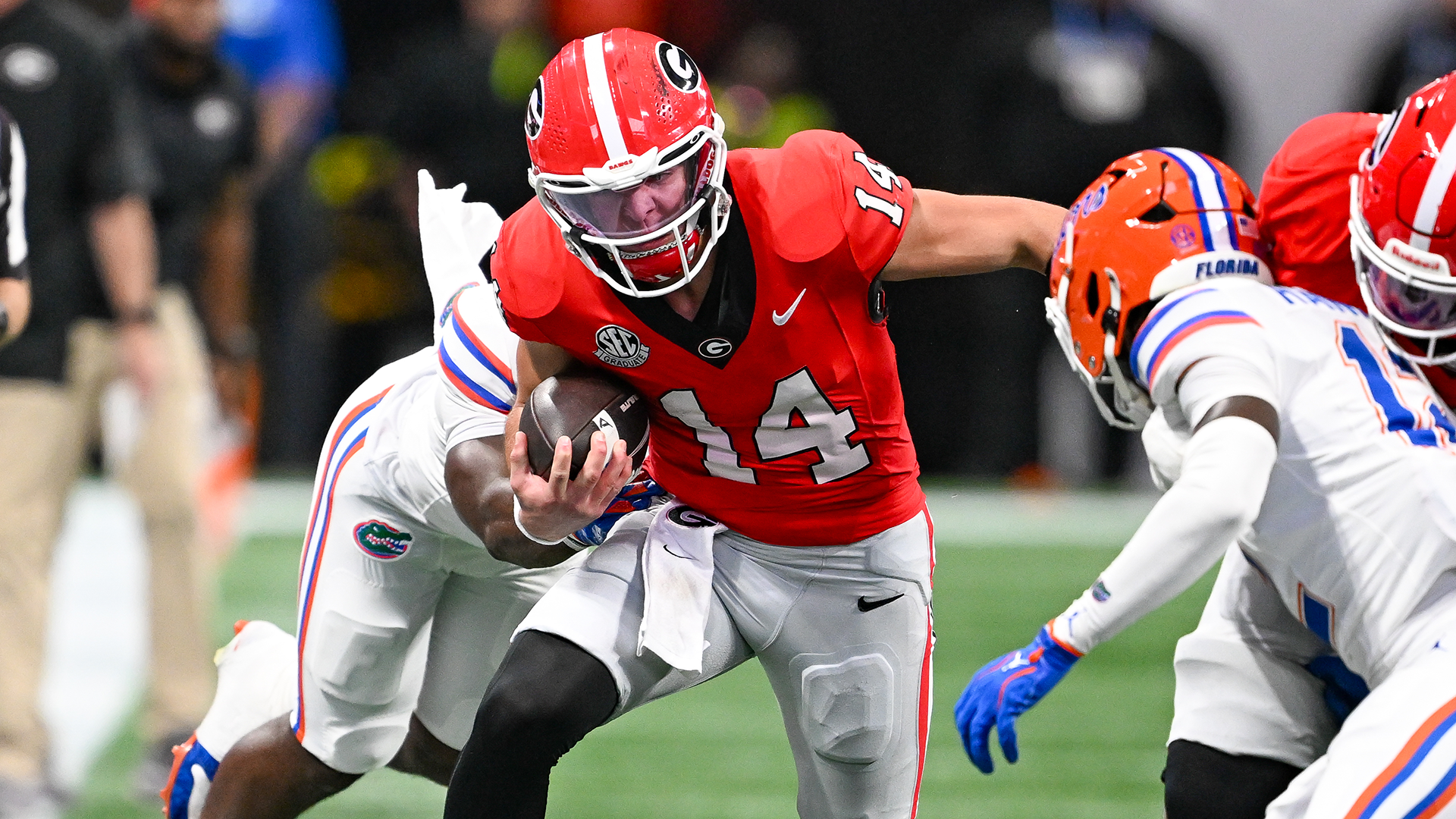
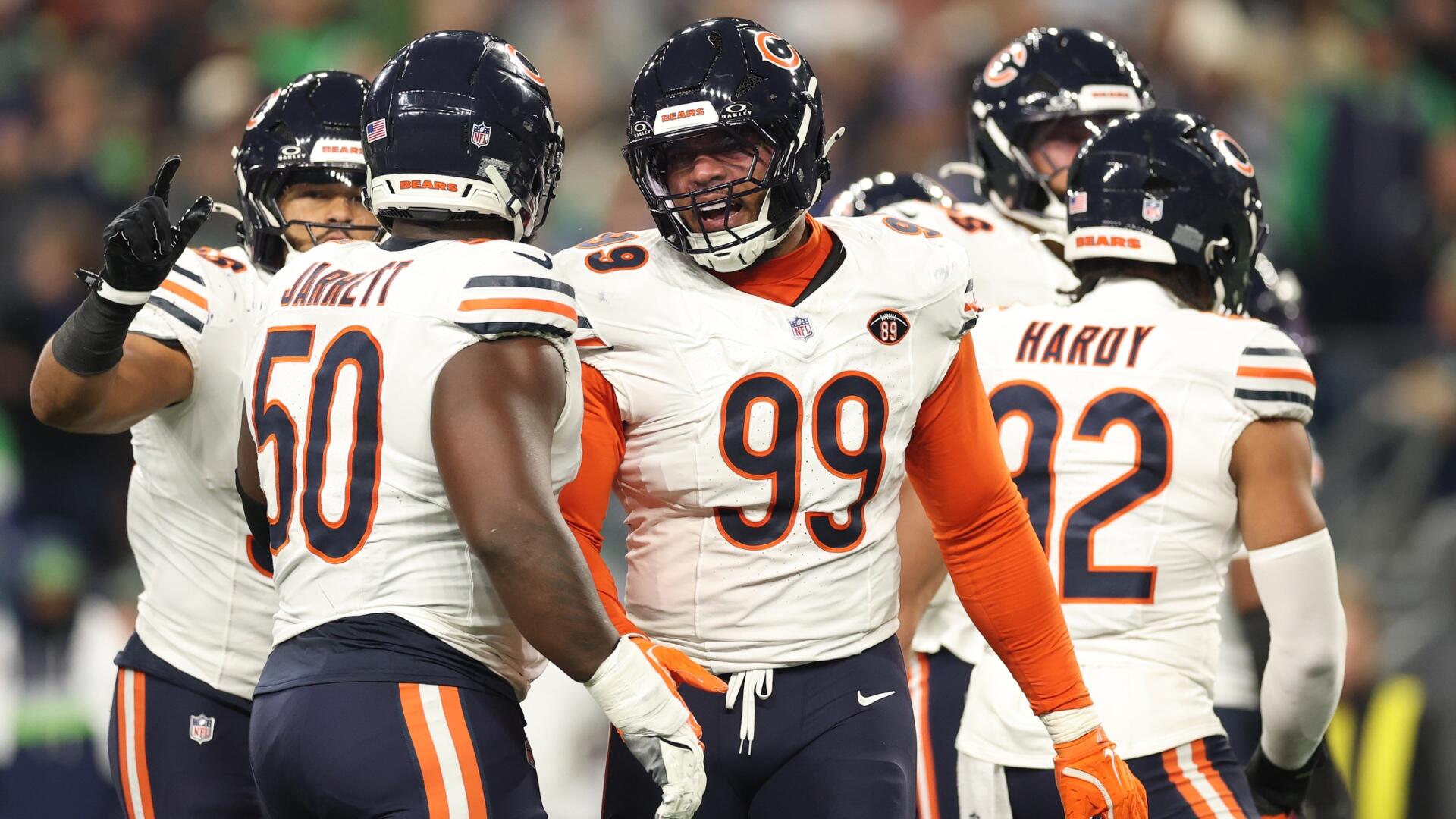
The announcement came from the University of Nebraska’s headquarters in Lincoln on Friday, as the Huskers prepared to host Illinois in a pivotal Big Ten matchup. Matt Rhule, who has overseen the program since 2022, revealed that the former offensive coordinator, who had been on the sidelines for the past two seasons, would now operate from the press box, focusing on play‑calling and media engagement.
The change is set to take effect immediately for the Illinois game, with the new coordinator taking over the day‑to‑day offensive responsibilities that had previously been split between the sidelines and the coaching staff. The decision was made in the context of a season where Nebraska’s offense struggled to find consistency, prompting Rhule to seek a fresh perspective while retaining institutional knowledge.
In a brief statement, Rhule emphasized the importance of continuity and strategic clarity, noting that the new arrangement would allow the coaching staff to streamline decision‑making and better prepare the team for the high‑stakes environment of Big Ten play. The move has elicited mixed reactions from fans and analysts, many of whom had anticipated a more radical overhaul of the offensive staff.
In-Depth Analysis & Key Details
Historically, Nebraska’s offensive strategy has oscillated between traditional power‑running schemes and more modern, spread‑based approaches. The recent shift to a press‑box coordinator reflects a broader industry trend where head coaches are taking a more hands‑on role in play‑calling to maintain a cohesive vision across the program.
The decision also intersects with regulatory considerations, as the NCAA’s evolving stance on coaching staff limits and player safety protocols has pressured programs to streamline their coaching structures. Economically, a centralized offensive approach can reduce salary expenses and create a more efficient allocation of resources, a factor that may influence future recruiting budgets.
Experts in sports analytics point out that the new configuration could enhance real‑time decision‑making by leveraging data analytics and instant replay, allowing the coaching staff to adapt more swiftly to in‑game developments. This technical advantage may prove critical in high‑pressure contests such as the upcoming Nebraska‑Illinois duel.
"Centralizing play‑calling from the press box is a strategic gamble that could either sharpen Nebraska’s offensive edge or expose a lack of on‑field adaptability."
Why This Matters & What Lies Ahead
For everyday fans and alumni, the move signals a shift in how Nebraska will approach offensive strategy, potentially affecting game outcomes and the program’s reputation in the competitive Big Ten landscape. The decision also raises questions about player development, as on‑field coaching dynamics directly influence athlete performance and safety.
Key milestones to watch include the outcome of the Illinois game, the subsequent performance of the new offensive coordinator in the second half of the season, and any forthcoming statements from the university’s athletic department regarding long‑term staffing plans. Analysts will also monitor how this shift aligns with broader NCAA trends in coaching structures and the potential impact on future recruiting classes.
Source: Reported by Yahoo Sports · Analyzed & Synthesized by DNB Newsroom