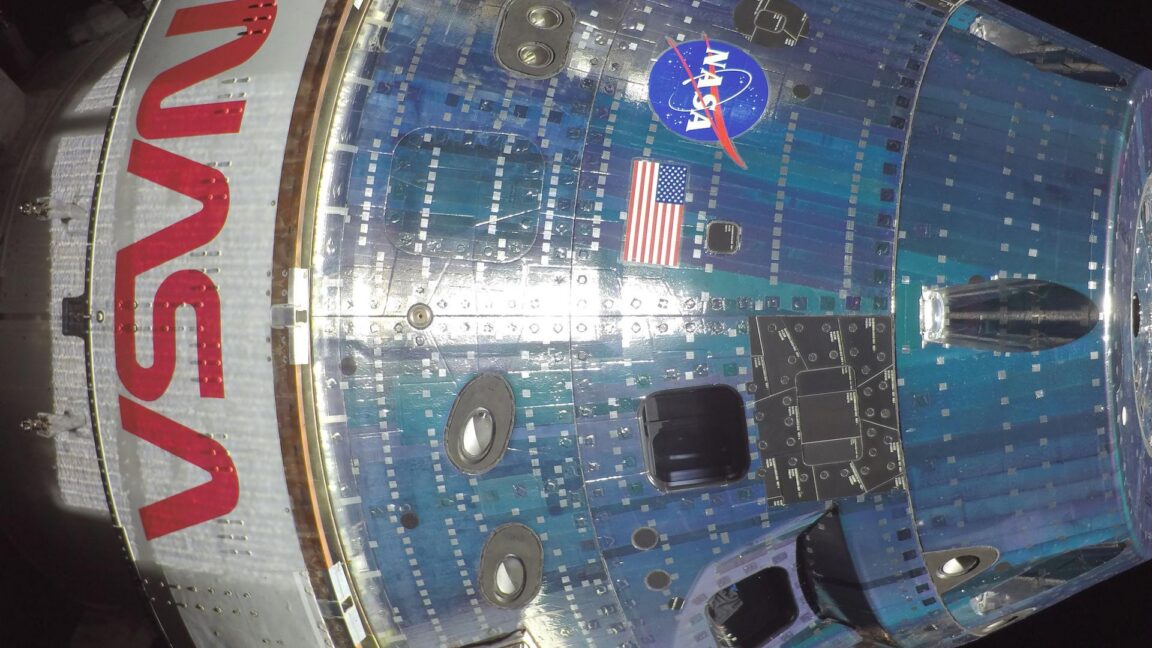
NASA officials disclosed on Thursday that the Orion crew capsule will undergo a series of intensified qualification tests before its slated 2026 crewed flight, a move designed to reinforce the vehicle’s resilience for deep‑space operations. The decision follows internal reviews that identified gaps in thermal‑control performance and high‑speed re‑entry dynamics, prompting the agency to recalibrate its test cadence.
The added evaluations will be conducted at NASA’s Johnson Space Center and the Kennedy Space Center’s test facilities, with the thermal‑vacuum chamber run slated for late summer and a full‑duration re‑entry sequence scheduled for early winter. Agency spokesperson Karen Hernandez emphasized that the schedule shift reflects a deliberate choice to prioritize crew safety over aggressive timelines, echoing a broader cultural shift within the organization toward measured progress.
In-Depth Analysis & Key Details
Historically, NASA’s human‑rating programs have balanced schedule pressure against safety imperatives, a tension that intensified after the Challenger and Columbia tragedies. The Orion program, inherited from the Constellation era, inherits legacy hardware that must meet modern standards for radiation shielding, autonomous navigation, and abort capabilities, all of which demand extensive validation.
Industry observers point out that the revised testing plan arrives amid a competitive commercial launch market, where private providers vie for government contracts based on cost and cadence. By tightening its internal milestones, NASA signals to partners that reliability will remain a non‑negotiable criterion, even if it modestly inflates the program’s near‑term expenditures. Regulatory filings indicate the agency will seek a modest budget amendment to cover the extra test operations, a request that congressional appropriators are expected to review in the upcoming fiscal‑year hearings.
"We cannot sacrifice thoroughness for speed; the safety of the crew must remain the paramount driver of every Orion milestone."
Why This Matters & What Lies Ahead
For taxpayers and the broader aerospace ecosystem, the decision reshapes expectations around mission timelines, procurement contracts, and the downstream supply chain that supports lunar landers, habitats, and scientific payloads. A delay in Orion’s flight could shift the launch windows for commercial partners, potentially affecting revenue streams and employment in the space sector.
Stakeholders will be watching the upcoming congressional oversight session in March, where budget officers will scrutinize the cost implications of the added tests. Additionally, the next milestone—a full‑duration re‑entry demonstration slated for early 2025—will serve as a bellwether for whether the agency can maintain its Artemis schedule without further extensions.
Source: Reported by Ars Technica · Analyzed & Synthesized by DNB Newsroom


