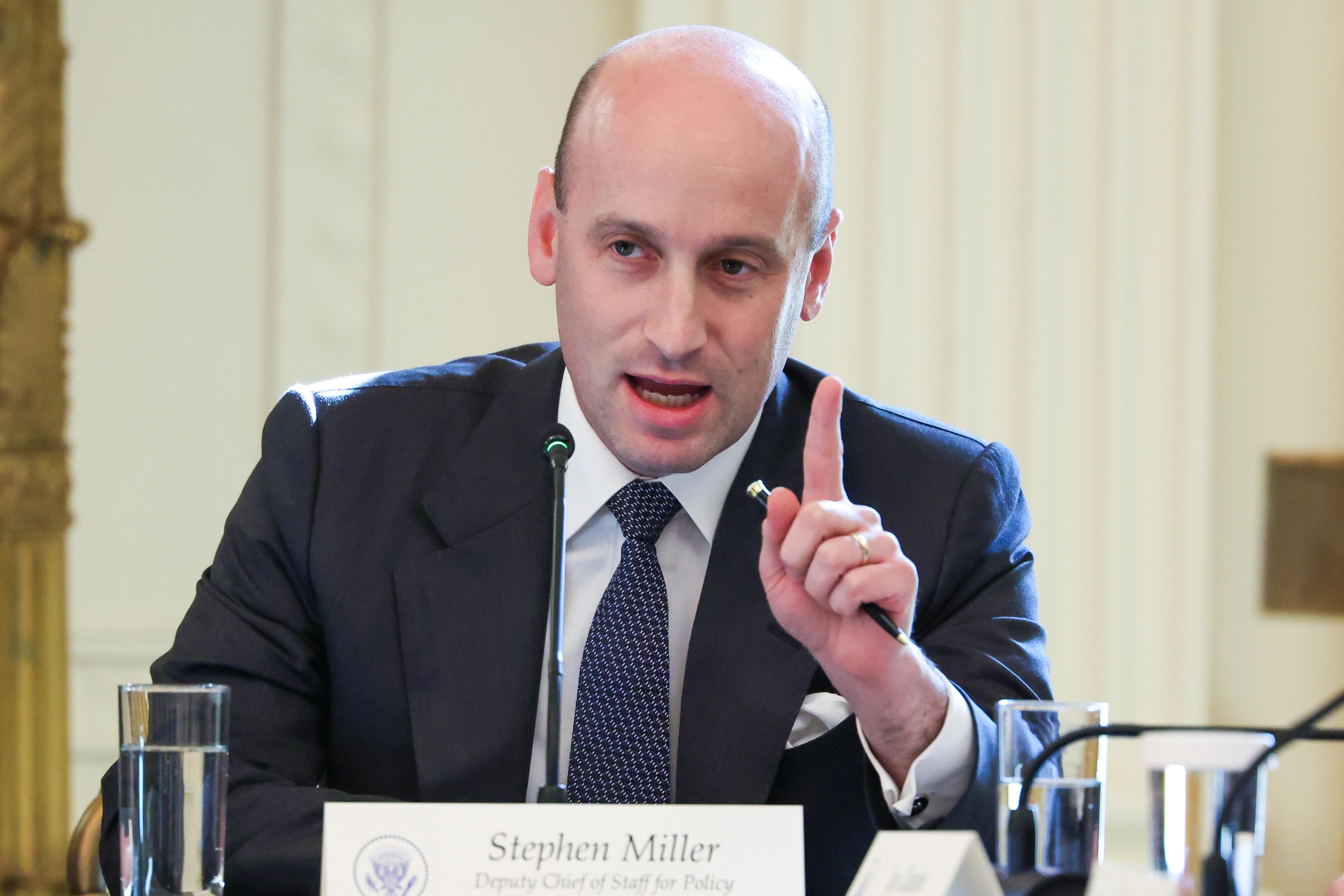
The incoming White House chief of staff, Stephen Miller, is set to take the reins on Monday, bringing with him a record of orchestrating the Trump administration’s most polarizing immigration reforms. His appointment follows a months‑long internal shuffle that positioned the former senior adviser at the epicenter of policy coordination, granting him unprecedented influence over the executive’s agenda.
Miller’s track record includes the 2017 executive order that barred entry from several majority‑Muslim nations, the 2018 “zero‑tolerance” directive that led to family separations at the border, and the systematic lowering of the nation’s refugee ceiling to historic lows. As chief of staff, he will supervise the Department of Homeland Security, the Justice Department’s immigration courts, and the State Department’s visa bureaus, effectively centralizing decision‑making authority.
In a brief statement, the White House praised Miller’s “unwavering commitment to the rule of law and national security,” while immigrant‑rights organizations condemned the move as a “clear signal that hard‑line restrictions will intensify.” Early reactions from congressional leaders suggest a partisan split, with Republicans lauding the appointment and Democrats warning of an erosion of humanitarian standards.
In-Depth Analysis & Key Details
Miller’s rise must be viewed against a backdrop of two decades of escalating immigration debates, from post‑9/11 security tightening to the 2016 electoral wave that propelled anti‑immigration rhetoric into mainstream policy. Historically, the chief of staff role has served as a gatekeeper for presidential priorities; Miller’s tenure as senior adviser already demonstrated his capacity to translate ideological goals into executive orders, regulatory adjustments, and budget reallocations.
The regulatory landscape is now poised for a cascade of revisions. Agencies are expected to resurrect Title 42, the pandemic‑era public‑health order used to expel migrants without typical due‑process safeguards, and to tighten the merit‑based immigration formula that favors high‑skill workers while capping family reunification pathways. Economists warn that such constraints could depress sectors dependent on seasonal labor, from agriculture to hospitality, while legal scholars anticipate a surge in litigation over due‑process violations and potential conflicts with international refugee conventions.
Experts from the Migration Policy Institute note that Miller’s consolidation of power may also reshape inter‑agency dynamics, compelling the Department of Justice to prioritize immigration prosecutions and the Department of State to accelerate visa denials. This alignment could accelerate the implementation timeline for policies that previously stalled under bureaucratic inertia, thereby amplifying both the immediate and long‑term effects on migration flows and domestic political discourse.
"Miller’s appointment transforms a policy‑making niche into a command center, where every visa, asylum claim, and border enforcement decision now bears the imprint of his hard‑line philosophy."
Why This Matters & What Lies Ahead
For everyday Americans, the ripple effects of Miller’s agenda will manifest in labor market shortages, altered community demographics, and heightened legal uncertainty for families seeking refuge or reunification. Businesses that rely on immigrant labor may confront staffing gaps, prompting a shift toward automation or relocation, while local jurisdictions could see increased pressure on social services as enforcement actions intensify.
Legislatively, the coming weeks will feature hearings before the Senate Judiciary and Homeland Security committees, where lawmakers will scrutinize the legality and humanitarian impact of revived policies. Courts are already docketing appeals to prior travel bans and family‑separation rulings, setting the stage for a judicial battleground that could either uphold or dismantle Miller’s initiatives. Investors and market analysts will watch these developments closely, as immigration policy shifts have historically influenced sectors ranging from construction to technology, making Miller’s tenure a pivotal factor in economic forecasting.
Source: Reported by CBS News · Analyzed & Synthesized by DNB Newsroom