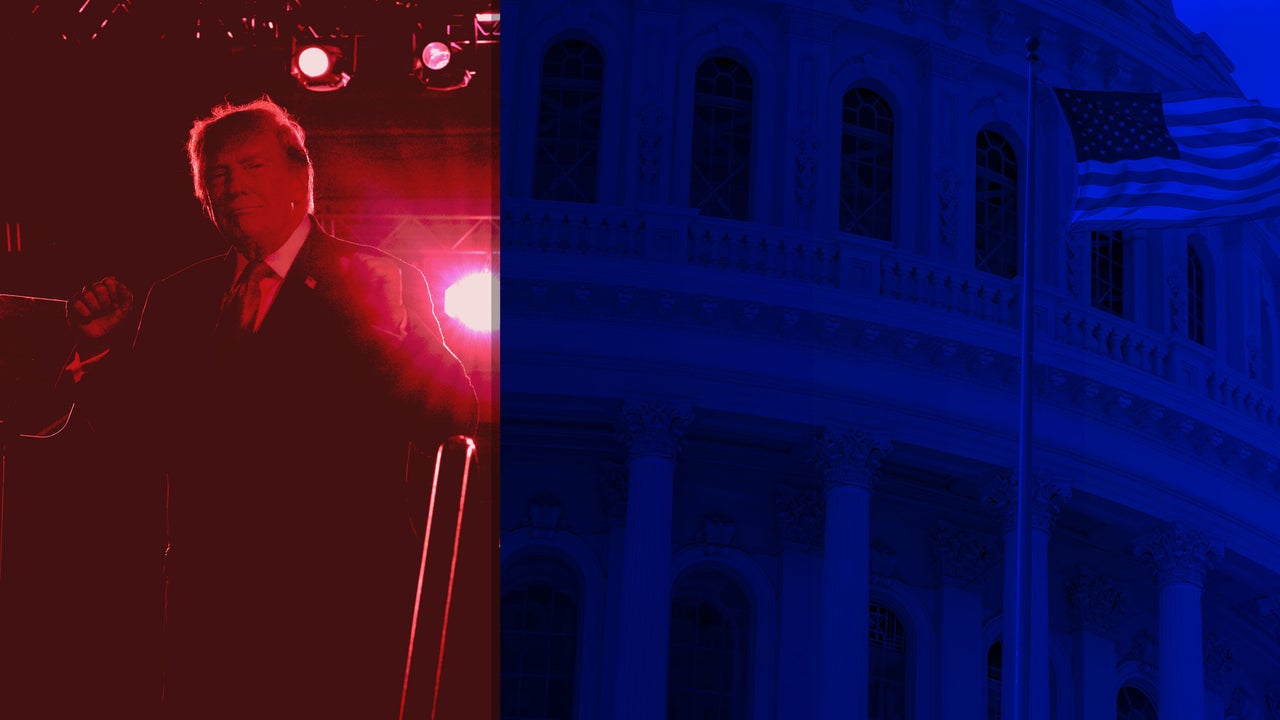
The 2026 midterm election cycle has concluded with a seismic shift in the American political landscape, fundamentally challenging the prevailing narrative that Donald Trump’s influence guarantees Republican electoral success. In a series of results that have stunned party strategists and political analysts alike, Democrats captured key governorships and state legislative seats in regions that had been firmly under Republican control for over two decades. The most notable victories occurred in Kansas and South Dakota, states that served as bellwethers for conservative dominance in the Midwest and Plains regions. This outcome represents not merely a loss of seats, but a tangible rejection of the political machinery built around a single charismatic figure.
The geographical scope of this electoral upheaval extends beyond individual state capitals, permeating local school boards, county commissions, and state houses. In Kansas, a state that voted heavily for Trump in the previous presidential cycle, the electorate demonstrated a clear divergence between their national party allegiance and their local governance preferences. Similarly, in South Dakota, the Democratic candidate’s victory in a traditionally red district signaled a broader trend of voters seeking alternatives to the polarized national discourse. These results indicate that the 'Trump brand' is no longer a sufficient currency to buy victory in down-ballot races, a development that has immediate operational implications for Republican campaign finance and recruitment strategies.
Initial reactions from both parties have been characterized by a mix of celebration and strategic recalibration. Democratic leaders have framed the results as a mandate for pragmatic governance, emphasizing their ability to deliver tangible results in local infrastructure, education, and healthcare. Conversely, Republican officials have offered mixed responses, with some attributing the losses to external factors such as inflation or media bias, while others have begun quietly exploring a return to more independent, issue-based campaigning. The silence from Trump’s inner circle in the immediate aftermath suggests a period of internal deliberation regarding the party’s future direction, with key donors and influencers weighing the costs of continued monolithic alignment against the benefits of broader coalition building.
In-Depth Analysis & Key Details
To understand the magnitude of this shift, one must examine the historical context of Republican consolidation in the Great Plains. For decades, the GOP benefited from a structural advantage in these regions, driven by rural demographics, lower population density, and a political culture that favored low taxes and limited government intervention. However, the erosion of this hold is not an isolated incident but part of a broader demographic and economic transformation. The influx of younger, more diverse populations into urban centers within these states, coupled with the economic pressures of inflation and housing costs, has created a fertile ground for Democratic outreach. This suggests that the traditional red-blue map is becoming increasingly fluid, with the boundaries of party loyalty shifting from geographic lines to issue-based coalitions.
The debate over the sustainability of the Trump-centric model has intensified in the wake of these results. Proponents of the current strategy argue that the party’s base remains energized and that the midterm losses are a temporary setback in a longer-term battle for cultural and political dominance. Critics, however, point to the declining voter turnout among younger Republicans and the growing perception that the party is out of touch with the economic realities of working-class voters. This internal tension is likely to drive a significant realignment in the coming years, with the potential for the emergence of a new, more moderate Republican faction that seeks to distance itself from the national brand while retaining core conservative values.
Experts in political science and electoral strategy emphasize that the data from this cycle provides a clear warning about the limits of personality-driven politics. The ability of a single leader to rally a base is a powerful tool, but it is not a substitute for effective local governance and policy delivery. As the country moves closer to the 2028 presidential election, both parties will need to invest in grassroots organizing and policy innovation to secure their future. The lessons from this midterm cycle are clear: voters are increasingly sophisticated and demanding, and they will reward parties that can demonstrate competence and responsiveness at the local level.
"The midterm results serve as a stark reminder that political brands are not immune to consumer fatigue; when the product no longer meets the market's needs, the customer will always find an alternative."
Why This Matters & What Lies Ahead
For everyday citizens, the shift in state legislatures and governorships will have immediate and tangible effects on public policy. In states like Kansas and South Dakota, Democratic control of key legislative bodies could lead to significant changes in education funding, healthcare access, and environmental regulations. These policy shifts will directly impact the cost of living, the quality of public services, and the regulatory environment for businesses. Additionally, the realignment of political power in these states could influence national policy debates, as state-level experiments in governance often serve as test beds for broader federal initiatives.
Looking ahead, several key milestones will determine the long-term trajectory of this political realignment. The 2026 primary elections will be a critical test of the GOP’s ability to recruit viable candidates who can appeal to a broader electorate. Furthermore, the outcome of upcoming state constitutional conventions and ballot initiatives will provide further insight into the priorities of voters in these newly competitive regions. Political analysts will be closely monitoring the response of the national parties to these local results, as their strategic adjustments will shape the political landscape for the next decade. The coming months will be a period of intense activity as both parties seek to capitalize on the momentum generated by this historic midterm cycle.
Source: Reported by Fast Company · Analyzed & Synthesized by DNB Newsroom