In a significant development for American state politics, voters across dozens of states cast decisive votes on 146 statewide ballot measures during the recent midterm elections. This extensive slate of initiatives, ranging from fundamental civil rights to complex fiscal policies, underscores the expanding role of direct democracy in shaping state law. The sheer volume of these measures highlights a political environment where traditional legislative channels are often supplemented or bypassed by direct public action.
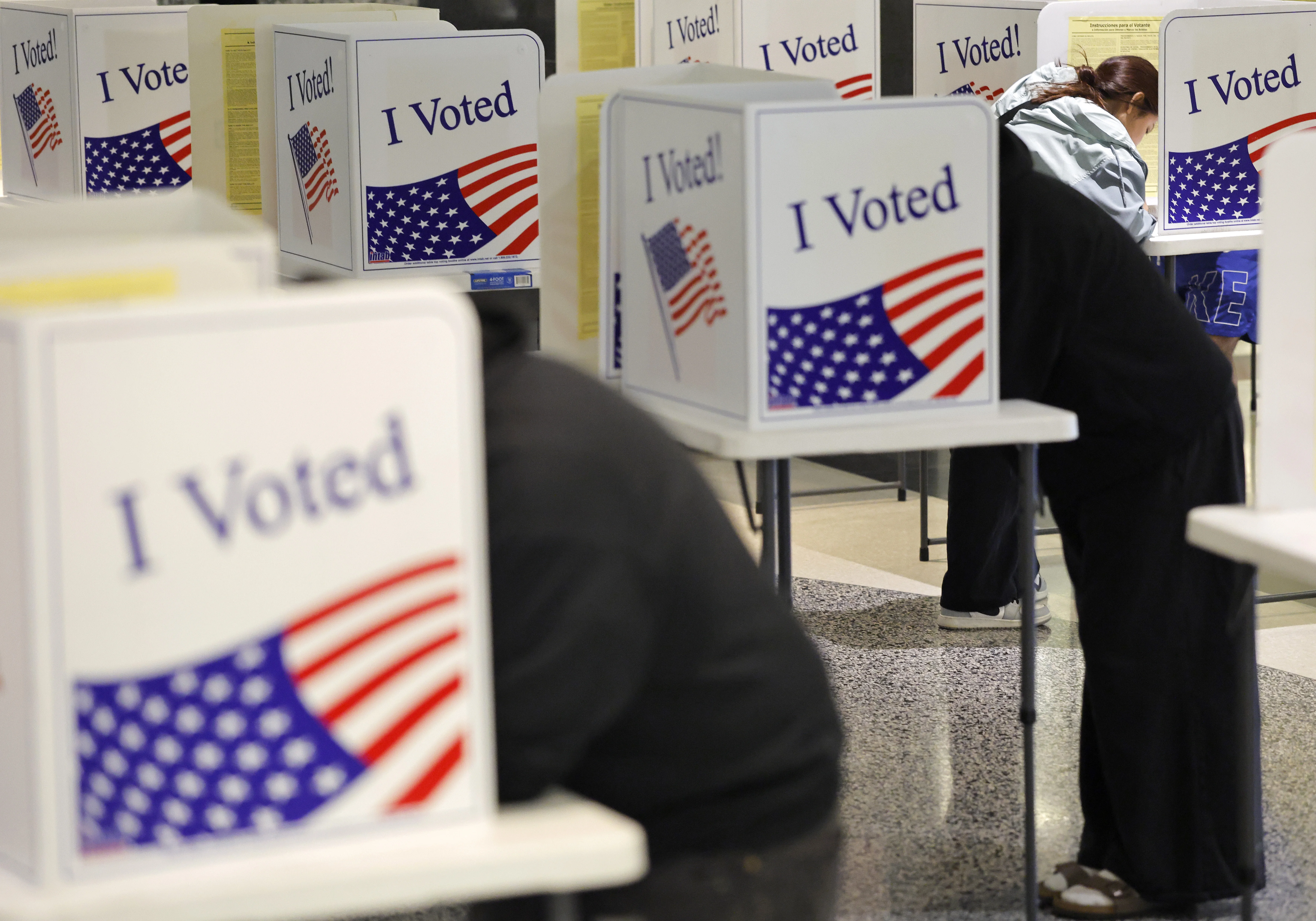
The geographical spread of these votes was extensive, with states from coast to coast presenting voters with critical decisions on issues such as abortion access, redistricting boundaries, and the rights of LGBTQ individuals. Each state’s ballot reflected its unique political and social landscape, resulting in a mosaic of policy changes that collectively redefine the national legal framework. The operational complexity of managing and counting votes for such a large number of measures also placed significant strain on election administration systems, testing their capacity for transparency and accuracy.
Political leaders and advocacy groups responded to the outcomes with a mix of celebration and concern, emphasizing the immediate impact of these decisions on local communities. Proponents of the measures argued that the results demonstrated a clear mandate from the people for progressive change, while opponents warned of potential legal challenges and the need for further judicial clarification. The official declarations from state election boards confirmed the validity of the results, setting the stage for the implementation of new state laws and regulations.
In-Depth Analysis & Key Details
The surge in ballot measures is part of a broader historical trend where citizens, dissatisfied with legislative gridlock, turn to direct democracy to enact change. This trend has accelerated in recent years, driven by advances in petitioning processes and increased public engagement with political issues. The structural forces at play include the weakening of traditional party discipline and the rise of issue-based voting, which empower individual voters to influence policy outcomes directly. This shift has implications for the stability and predictability of state governance, as laws can be changed more rapidly and with less legislative deliberation.
Competing perspectives on these measures reveal deep ideological divides. Supporters of measures such as wealth taxes and expanded LGBTQ rights argue that these policies are necessary to address systemic inequalities and protect marginalized communities. Opponents, however, contend that such measures impose undue burdens on businesses and individuals and may face legal challenges on constitutional grounds. The economic consequences of these policy changes are also a subject of intense debate, with economists weighing the potential impacts on state budgets, investment climates, and consumer behavior.
Expert analysis suggests that the proliferation of ballot measures reflects a growing demand for transparency and accountability in government. However, it also raises concerns about the complexity of the issues being addressed and the potential for poorly drafted legislation. The technical intricacies of implementing these new laws, such as the administration of wealth taxes or the enforcement of gun control measures, will require significant resources and expertise. This underscores the need for robust institutional capacity to ensure that the will of the people is effectively and equitably implemented.
"The 146 ballot measures of this midterm cycle are not just votes; they are a seismic shift in how American citizens engage with and shape their own governance, challenging the traditional boundaries of legislative power."
Why This Matters & What Lies Ahead
For everyday readers, the outcomes of these ballot measures have immediate and tangible impacts on their lives, from access to healthcare and reproductive services to the cost of living and personal freedoms. The implementation of new state laws will affect local businesses, educational institutions, and community services, requiring adaptation and compliance. For global supply chains, changes in state regulations, particularly those related to taxation and labor rights, could influence business operations and investment decisions, potentially altering economic dynamics at both the state and national levels.
Looking ahead, several key milestones and regulatory votes will determine the long-term stability and effectiveness of these new policies. Legal challenges to certain measures, particularly those involving wealth taxes and gun control, are likely to reach state supreme courts and potentially the U.S. Supreme Court. Additionally, upcoming legislative sessions will be critical in refining and enforcing the new laws, with potential for further amendments or repeals. Monitoring these developments will be essential for understanding the evolving landscape of state governance and its broader implications for American society.
Source: Reported by NPR · Analyzed & Synthesized by DNB Newsroom