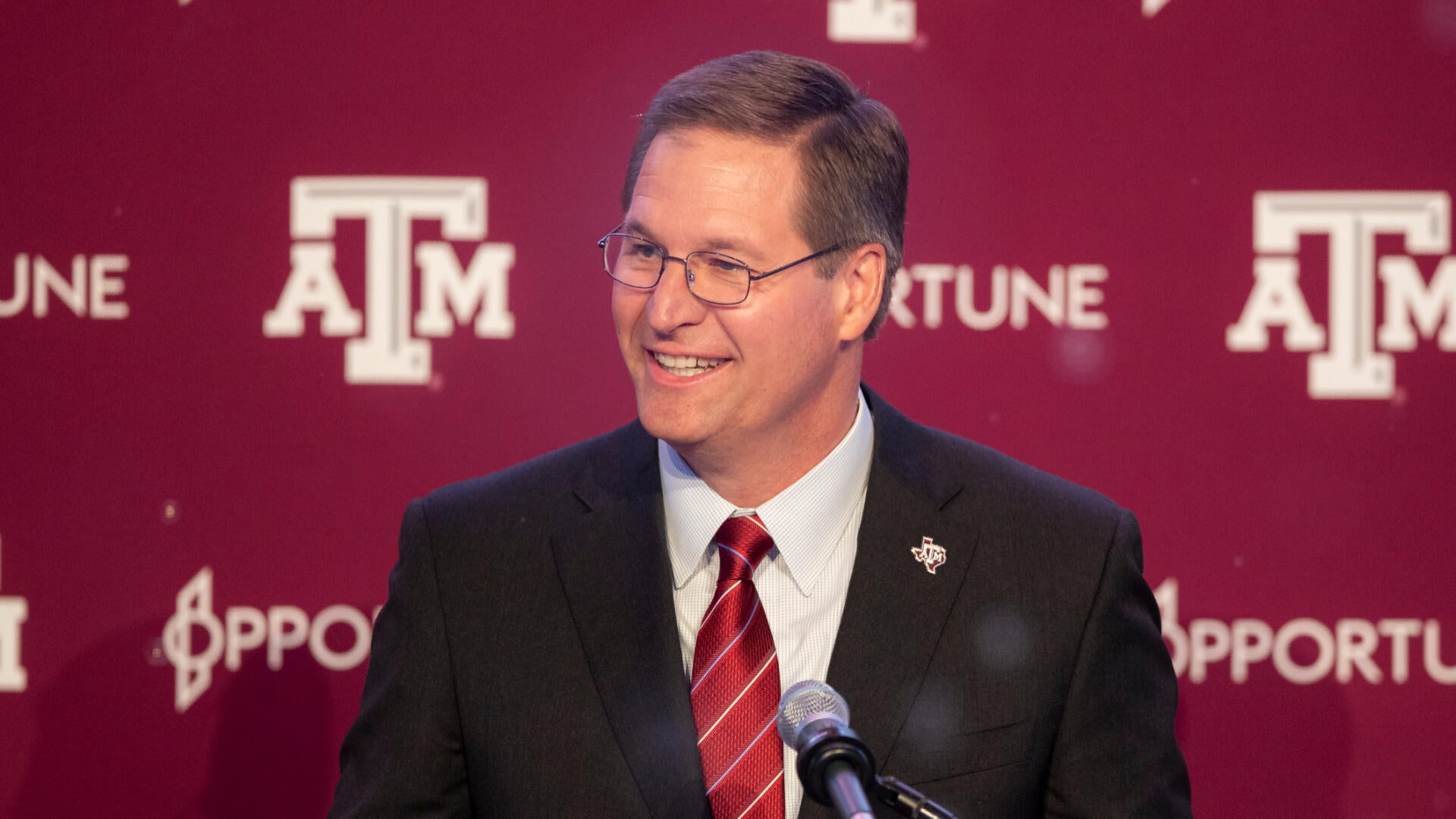
The University of Michigan has officially stepped back from its pursuit of Texas A&M Athletic Director Trev Alberts, a decision that has thrown the highly sought-after administrator into immediate professional uncertainty. Despite previous indications that a hiring agreement was imminent, the Wolverines' athletic department has determined that the financial burden of Alberts' existing contract obligations is prohibitive. This strategic pivot marks a significant disruption in the transfer of power within the Big Ten Conference, leaving both institutions to navigate the fallout of a deal that appeared finalized only days prior.
The core of the dispute centers on the substantial buyout clause embedded in Alberts' contract with Texas A&M. While Michigan initially signaled willingness to negotiate these terms, internal reviews have reportedly concluded that assuming the full liability would strain the university's athletic budget in a manner inconsistent with current fiscal planning. Consequently, the administration has chosen to halt the hiring process rather than commit to the full financial exposure, leaving Alberts without a confirmed destination for the upcoming academic year.
In the immediate aftermath, no official public statement from Alberts has been widely disseminated, though his representatives are expected to address the situation as the details of the negotiation collapse become clearer. The move has generated significant speculation within the collegiate sports community, with observers noting the fragility of executive contracts in an era of rapid organizational restructuring. For now, Alberts remains technically employed by Texas A&M, but his future with the Aggies is increasingly viewed as untenable given his prior intentions to depart.
In-Depth Analysis & Key Details
This development is not an isolated incident but rather a symptom of the broader structural shifts occurring in college athletics. The rapid turnover of athletic directors in recent years has been driven by the immense pressure to navigate the complexities of the Name, Image, and Likeness (NIL) era, new conference realignments, and the impending changes to the transfer portal. These factors have created a high-stakes environment where administrative roles are both more valuable and more precarious, leading to a proliferation of expensive buyout clauses that serve as both a retention tool and a significant barrier to mobility.
From a regulatory and economic perspective, the Michigan-Texas A&M standoff illustrates the tension between the desire for top-tier talent and the rigid constraints of university budgeting. Athletic departments are increasingly operating under the scrutiny of public oversight and donor expectations, making large, one-time payments for contract buyouts a sensitive financial decision. This case may prompt other institutions to re-evaluate their own contractual frameworks, potentially leading to a market where buyout clauses become more standardized or, conversely, more restrictive to protect institutional interests.
Industry analysts observe that the volatility in the athletic director market is a direct consequence of the sport's commercialization. As the gap between elite programs and the rest of the conference widens, the demand for experienced administrators who can manage these new dynamics intensifies. However, the financial mechanisms governing these hires have not fully adapted to this new reality, resulting in frequent dead ends and legal complexities. The situation with Alberts serves as a cautionary tale for both administrators and the institutions that employ them, highlighting the need for greater transparency and flexibility in executive compensation structures.
"The collapse of the Alberts hire exposes the fragile financial architecture of modern college athletics, where the cost of executive mobility is becoming a decisive factor in administrative stability."
Why This Matters & What Lies Ahead
For fans, donors, and the broader collegiate sports ecosystem, this episode underscores the instability that can accompany the pursuit of elite administrative talent. It signals that even high-profile hires are not immune to the financial realities of university governance, potentially affecting the long-term planning and strategic direction of both Michigan and Texas A&M. For the industry, it raises critical questions about the sustainability of current contract practices and the need for more robust mechanisms to manage executive transitions without causing significant financial distress to the institutions involved.
In the coming weeks, attention will turn to whether Michigan will re-engage in negotiations with a revised financial proposal or if they will pivot to a different candidate entirely. Simultaneously, Texas A&M will need to determine its own strategy, whether that involves retaining Alberts, seeking a new administrator, or negotiating a mutual separation. Stakeholders should monitor any legal filings or public statements from both universities that might clarify the terms of the failed negotiation and the potential financial implications for each party. This situation will likely set a precedent for how buyout clauses are handled in future high-profile athletic director hires.
Source: Reported by CBS Sports · Analyzed & Synthesized by DNB Newsroom