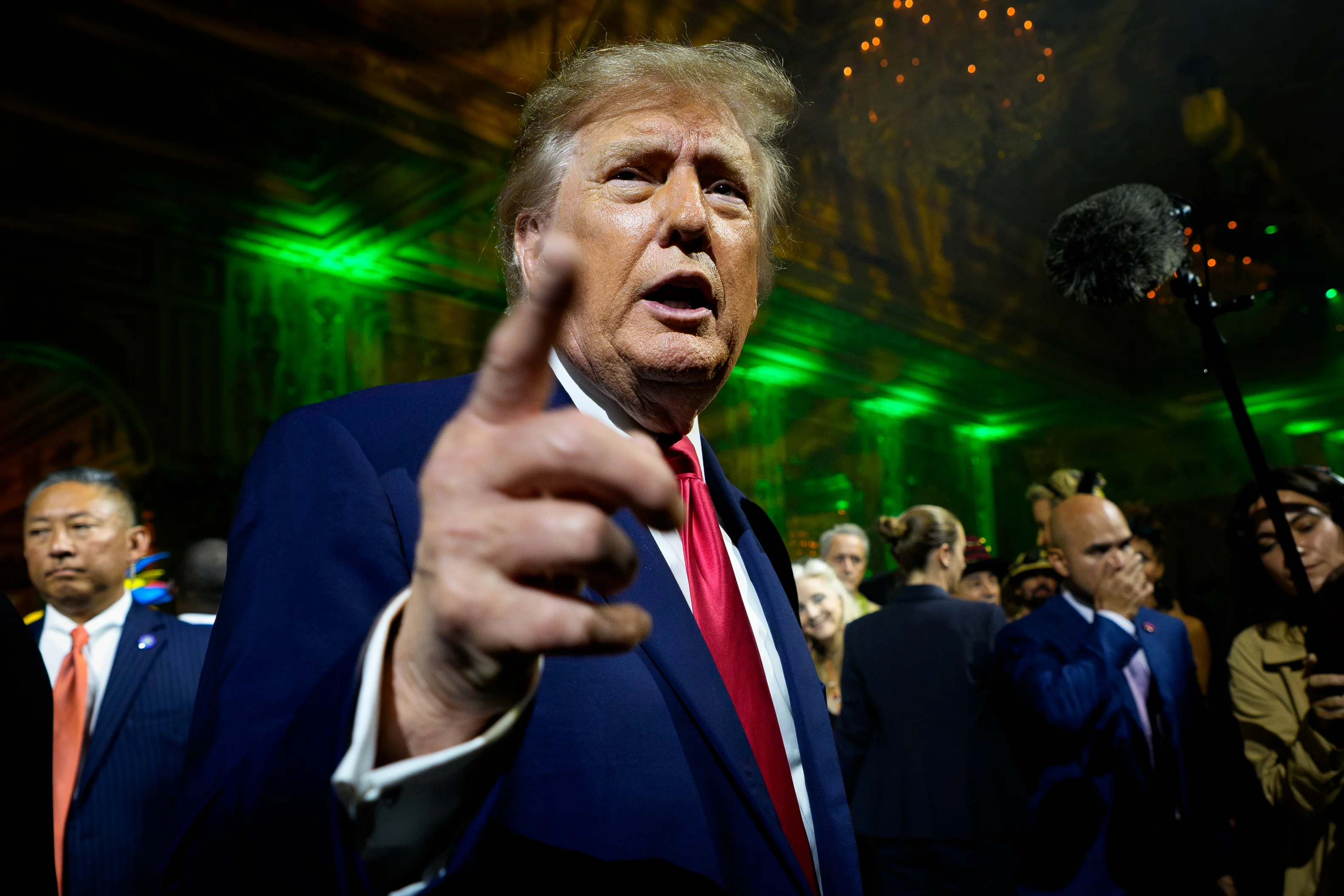
Veteran filmmaker Michael Mann, known for cinematic works such as 'Heat' and 'The Last of the Mohicans,' was injured during a private firearms training session at a commercial range in West Hollywood on Tuesday afternoon. The incident occurred when a firearm being handled by Mann’s assistant malfunctioned, sending a projectile that grazed the director’s hand.
The range, operated by seasoned instructor James Ortega, is licensed by the California Department of Justice and typically serves actors, stunt coordinators, and law‑enforcement trainers. Emergency responders arrived within minutes, and Mann was transported to a nearby hospital where doctors confirmed the wound was superficial, requiring only stitches and a short period of observation.
Mann’s publicist released a statement confirming the director’s condition, thanking medical staff and emphasizing that the filmmaker is expected to resume work on his upcoming sci‑fi series within weeks. The Los Angeles Police Department confirmed that a standard procedural review is underway, and no criminal charges have been filed at this stage.
In-Depth Analysis & Key Details
The episode revives a long‑standing tension between Hollywood’s reliance on realistic gun portrayals and California’s rigorous firearm safety framework, which was intensified after high‑profile mishaps such as the 2015 accidental shooting on the set of 'The Walking Dead.' Historically, the state has mandated that commercial ranges maintain strict supervision, periodic equipment checks, and mandatory safety briefings for all participants, a policy designed to prevent exactly the type of mishap that befell Mann.
Industry observers note that while private ranges offer convenience for actors and directors seeking authentic on‑screen firepower, they also operate under a patchwork of regulations that differ from public shooting facilities. Critics argue that the lack of uniform enforcement creates liability gaps, whereas proponents contend that specialized ranges provide essential training that enhances on‑set safety. Economically, the incident could pressure insurers to reevaluate coverage premiums for entertainment‑industry clients who regularly use firearms.
Legal scholars point to California’s recent Assembly Bill 331, which would require documented safety briefings and third‑party audits for all commercial ranges, as a potential legislative response to incidents like Mann’s. If enacted, the bill could impose fines up to $10,000 per violation and compel ranges to adopt digital tracking of safety compliance, thereby reshaping operational standards across the state.
"Mann’s accident underscores how even seasoned professionals can be caught off‑guard when safety protocols are not uniformly enforced, highlighting a systemic vulnerability in the entertainment‑industry’s use of firearms."
Why This Matters & What Lies Ahead
For everyday readers, the incident illustrates the tangible risks associated with firearms, even in controlled environments, and may influence public opinion on broader gun‑safety reforms. Consumers who attend film productions or participate in hobby shooting may demand clearer safety disclosures, prompting studios to adopt more stringent risk‑management practices.
Legislators are watching the case closely as the California State Senate prepares to vote on AB 331 later this year; the outcome could set a precedent for other states grappling with similar safety concerns. Stakeholders, including insurance carriers, firearms manufacturers, and union representatives, will be monitoring upcoming hearings to gauge how regulatory shifts might affect liability, cost structures, and the creative process for future productions.
Source: Reported by CBS News · Analyzed & Synthesized by DNB Newsroom