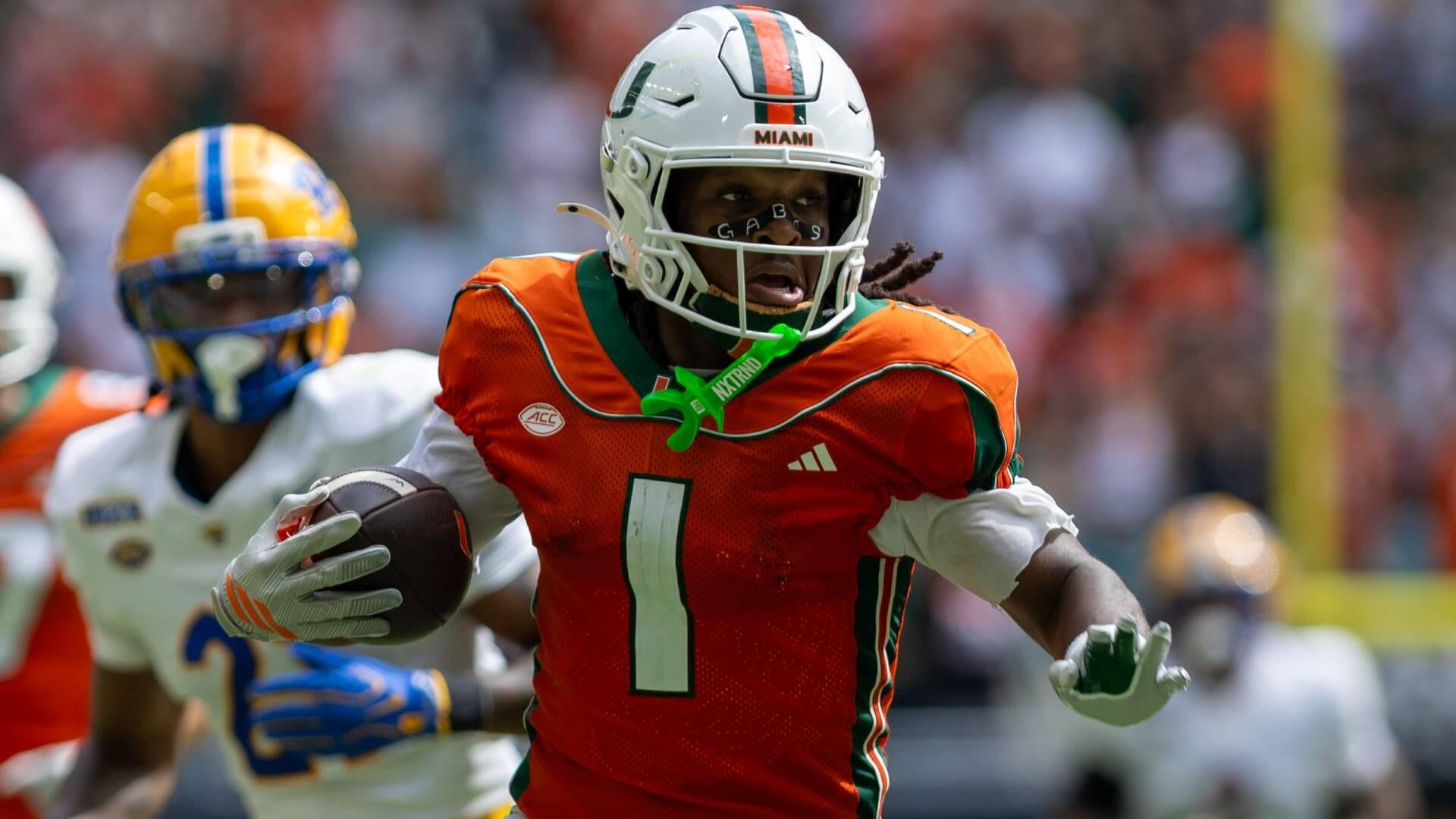
The Miami Hurricanes’ offensive strategy faces a significant disruption as star wide receiver Malachi Toney has suffered an ankle injury during pre-game preparations. The incident occurred during routine practice drills, prompting immediate medical intervention and a temporary halt to his participation in on-field activities. As the team prepares for a decisive clash against Notre Dame, the absence or limited availability of Toney presents a formidable challenge for the coaching staff, who must now navigate the game without their most reliable target in the passing game.
The timing of the injury is particularly concerning, given the high stakes of the upcoming matchup. Miami’s offense has heavily relied on Toney’s speed and route-running precision to stretch the defense and create separation. The ankle injury, while not immediately confirmed as season-ending, raises questions about his ability to perform at peak capacity. The coaching team is currently working with the medical staff to determine the extent of the damage and whether Toney can contribute in a limited role or will require a full recovery period before returning to the field.
Official communications from the program have been cautious, emphasizing the need for a thorough medical evaluation before making any final decisions. Team officials have stated that Toney’s status will be reassessed daily, with updates provided as more information becomes available. This approach reflects the careful management of player health and the strategic considerations involved in preparing for a high-profile game. The uncertainty surrounding Toney’s availability has intensified the focus on the rest of the offense, as players and coaches work to adapt their strategies to mitigate the potential impact of his absence.
In-Depth Analysis & Key Details
The injury to Malachi Toney occurs against the backdrop of Miami’s ambitious offensive scheme, which has been designed to leverage the speed and versatility of its receiving corps. Historically, Miami has relied on a dynamic passing attack to overcome defensive challenges, and Toney has been a central figure in this approach. The loss of such a key player disrupts the rhythm and balance of the offense, forcing the team to rely more heavily on other elements of their playbook. This situation highlights the inherent risks associated with high-tempo offensive systems, where the physical demands on players can lead to increased injury rates.
From a strategic perspective, the coaching staff must now consider alternative approaches to maintain offensive effectiveness. This may involve a greater emphasis on the running game, utilizing play-action passes, or elevating the roles of other receivers and tight ends. The decision-making process is further complicated by the need to manage player workload and minimize the risk of further injuries. The competitive landscape of the ACC and the national rankings add additional pressure, as Miami seeks to maintain its position and momentum in a highly competitive season.
Expert analysis suggests that the injury could have a lasting impact on Miami’s offensive performance, particularly if Toney’s absence extends beyond the immediate game. The team’s ability to adapt and execute under these circumstances will be a critical factor in determining the outcome of the matchup against Notre Dame. Additionally, the incident underscores the importance of player health management and the need for robust medical support systems in college football, where the physical intensity of the sport can lead to significant injuries.
"The uncertainty surrounding Malachi Toney’s availability is a defining challenge for Miami’s offense, testing the team’s ability to adapt and maintain its competitive edge in a pivotal game."
Why This Matters & What Lies Ahead
The injury to Malachi Toney has direct implications for Miami’s fan base, players, and the broader college football landscape. For fans, the uncertainty surrounding Toney’s status adds a layer of tension and anticipation to the upcoming game, as they await updates on his availability and the team’s strategic adjustments. For players, the situation requires heightened focus and adaptability, as they must step up to fill the void left by Toney’s potential absence. The broader college football community is also watching closely, as the outcome of this game could influence national rankings and conference standings.
Upcoming milestones to monitor include the daily medical evaluations of Toney, any official announcements regarding his game status, and the team’s strategic adjustments in practice and game planning. Additionally, the performance of other offensive players, particularly in the passing game, will be a key indicator of Miami’s ability to overcome this challenge. The outcome of the game against Notre Dame will provide valuable insights into the team’s resilience and adaptability, setting the stage for the remainder of the season.
Source: Reported by CBS Sports · Analyzed & Synthesized by DNB Newsroom


