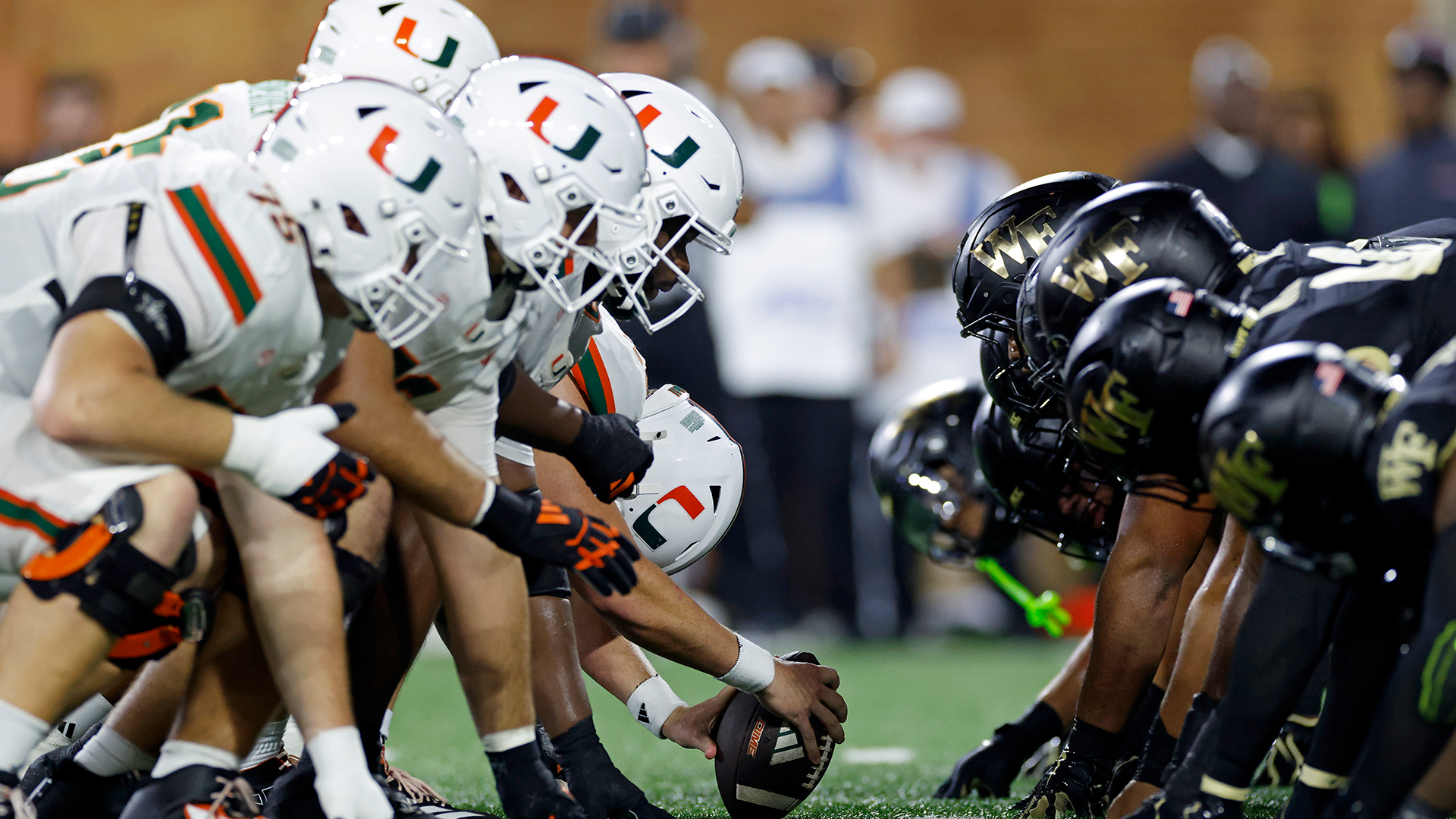
The stage is set for one of the most consequential matchups in recent college football history as the University of Miami and Wake Forest prepare to collide in the 2026 ACC Championship Game. This contest is not merely a battle for a conference title but the final installment of the ACC Championship era, a distinction that elevates the stakes beyond standard athletic competition. Miami, a perennial powerhouse in college football, arrives with a singular focus: capturing the first ACC trophy in the program's storied history.
The geographical and operational context of this rematch reflects the shifting landscape of the Atlantic Coast Conference. As the conference navigates the complexities of realignment, this specific matchup represents the culmination of a season defined by high-profile rivalries and strategic scheduling. The rematch format underscores the consistency and competitive parity between these two institutions, highlighting their status as the definitive contenders for the conference's final traditional title.
Institutional declarations surrounding the event emphasize the historic weight of the occasion. Miami’s athletic department has framed the pursuit of this championship as a necessary correction to the program’s historical record, aiming to close a significant gap in its trophy case. Wake Forest, meanwhile, views the opportunity as a chance to cement its recent resurgence and assert dominance in the conference’s final chapter. Both programs recognize that the winner will hold a unique place in the historical narrative of the ACC.
In-Depth Analysis & Key Details
The historical background of this matchup is deeply intertwined with the broader narrative of college football realignment. The ACC, once considered a stable and exclusive group of elite institutions, has undergone significant structural changes in recent years. The decision to conclude the championship game era reflects the conference’s adaptation to new competitive realities and membership shifts. This final game serves as a symbolic closure to a period when the ACC was a central pillar of the sport’s most competitive landscape.
Competing perspectives on the significance of this title vary among stakeholders. For Miami, the title represents a validation of its national brand and athletic excellence, which has often been recognized in other conferences but not in the ACC. For Wake Forest, the championship is a testament to the program’s ability to compete at the highest level despite resource disparities with larger rivals. Industry analysts observe that the financial and reputational implications of winning this final title will extend beyond the immediate season, influencing future recruiting and institutional prestige.
Regulatory and structural forces within the conference have shaped the path to this game. The scheduling and selection processes for the championship have been subject to intense scrutiny, with debates over merit-based selection versus historical performance. The technical intricacies of the ACC’s realignment strategy have made this final game a critical data point for future conference structures. The outcome will likely influence how other conferences approach their own championship formats in the post-realignment era.
"This is not just a game for a trophy; it is the final word in a chapter of college football history that is closing for good."
Why This Matters & What Lies Ahead
For everyday readers and fans, this game represents a rare opportunity to witness a definitive historical moment in college football. The outcome will have lasting implications for the legacy of both programs, with the winner’s claim to the title becoming a permanent part of the ACC’s historical record. The financial markets and broadcasting rights associated with the ACC may also be influenced by the performance and popularity of the final championship game, as networks seek to capitalize on the narrative of a closing era.
Upcoming milestones to monitor include the official announcement of any post-season recognition for the champion and the subsequent strategic moves by the ACC in response to the conclusion of this era. Legislative implications are minimal, but the conference’s future governance and membership decisions will be closely watched by athletic directors and university presidents. The game itself will be a focal point for media coverage, with potential impacts on viewership and fan engagement that could shape the conference’s future marketing strategies.
Source: Reported by CBS Sports · Analyzed & Synthesized by DNB Newsroom