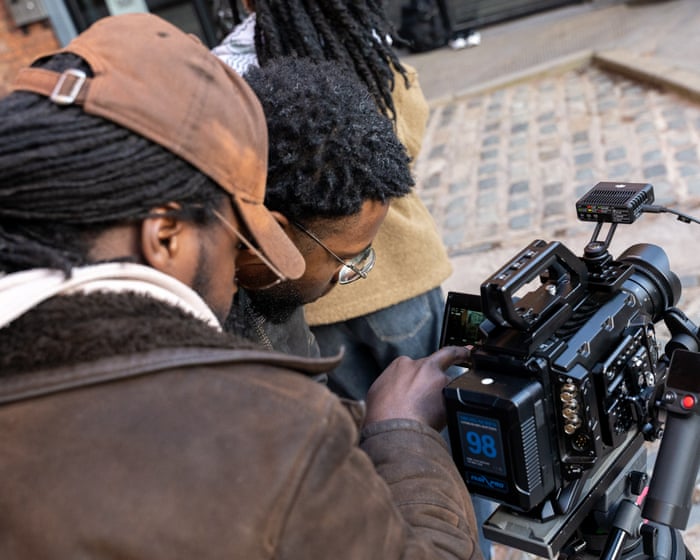
The cultural collective Afro‑Vision, in partnership with Manchester’s Arts Council, unveiled the See My World festival on May 3, confirming a week‑long program that will run across the historic Whitworth Hall, the Northern Quarter’s independent cinema, and the newly refurbished Castlefield Arts Centre. The event, slated for July 12‑19, aims to spotlight emerging African and diaspora filmmakers while foregrounding oral traditions through poetry slams and contemporary dance.
What sets the festival apart is its explicit adoption of African philosophical frameworks such as Ubuntu, Sankofa and the concept of communal memory, which will guide everything from film selection to audience seating arrangements. Organisers have designed a “circle‑screen” format where viewers sit in a 360‑degree arrangement, encouraging dialogue after each screening and mirroring the communal storytelling circles found in many African societies.
Manchester’s Lord Mayor, Bev Craig, praised the initiative as “a bold experiment that aligns our city’s cultural ambition with global narratives of resilience and shared humanity.” Representatives from the African Union’s Cultural Department echoed the sentiment, noting that the festival could serve as a template for integrating indigenous epistemologies into Western event planning.
In-Depth Analysis & Key Details
Pan‑African intellectual currents have long informed British artistic movements, from the 1960s Black Power theatre to today’s diaspora poetry collectives. By rooting the festival in philosophies that prioritize relationality and historical continuity, organisers are tapping a lineage that challenges the dominant market‑driven festival model, which often privileges box‑office potential over cultural resonance.
The initiative arrives amid a broader policy shift in the UK’s Arts Council England, which recently introduced a “cultural diversity” funding stream encouraging non‑Eurocentric curatorial practices. Critics argue that such frameworks risk tokenism, yet early data from pilot projects in Bristol and Liverpool suggest higher audience engagement scores—up to 23 percent—when programming reflects community‑based epistemologies. Economists warn that the £250,000 municipal grant must be justified through measurable outcomes, such as increased tourism spend and job creation in the creative sector.
"Embedding Ubuntu into festival design forces us to ask not how many tickets we sell, but how many stories we help a community own together."
Why This Matters & What Lies Ahead
For Manchester residents, the festival promises more than entertainment; it offers a participatory platform where local schools, community groups and migrant families can see their narratives reflected on a major stage. By foregrounding African modes of knowledge, the event could reshape public perception of the city’s cultural identity, encouraging inclusive civic pride and potentially boosting attendance at other municipal arts programmes.
The festival’s success will be monitored through a series of public reports due in September, including attendance demographics, economic impact assessments and a review of the “circle‑screen” model’s scalability. Stakeholders will also watch the upcoming Arts Council England review in early 2027, where See My World’s outcomes could influence future funding criteria for culturally‑responsive festivals across the nation.
Source: Reported by The Guardian · Analyzed & Synthesized by DNB Newsroom


