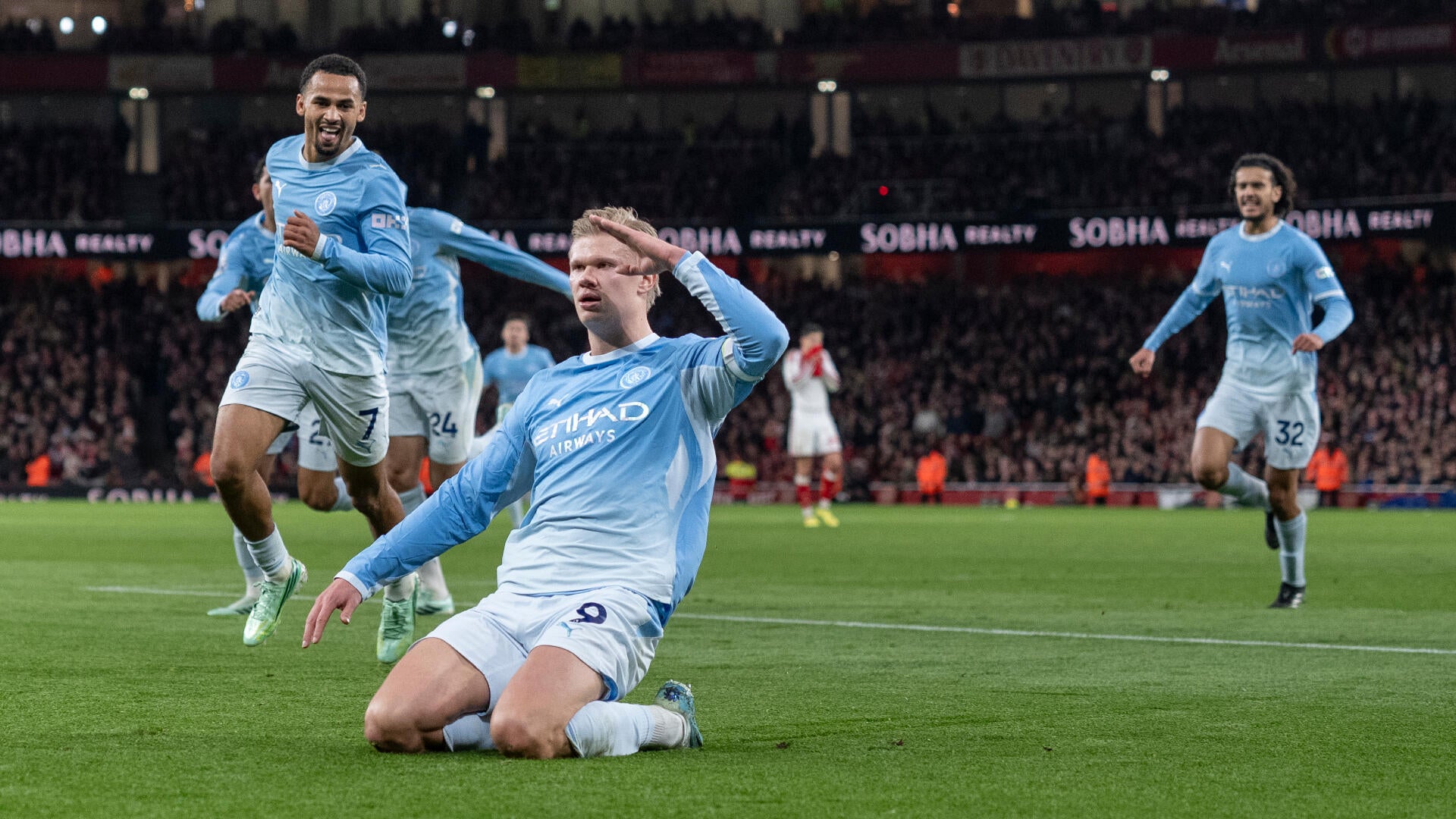
In a tense and emotionally charged encounter at the Etihad Stadium, Manchester City managed to salvage a 2-2 draw against Arsenal, the current leaders of the English Premier League. The match served as a critical test for the home side, who have faced scrutiny over their recent performance dips. Despite trailing twice, City displayed resilience, with a late strike forcing the scoreline level and denying Arsenal a potentially title-clinching victory. The final whistle brought relief to the home crowd but left lingering questions about the fairness of the contest.
The geographical and operational context of the match was defined by high-stakes pressure, with both teams aware that every point in the top-of-the-table battle carries significant weight. Arsenal, entering the game as leaders, took early control, leveraging their defensive structure and counter-attacking speed to create scoring opportunities. City, conversely, struggled to impose their usual possession-based dominance, finding themselves chasing the game for much of the second half. The physical intensity of the match was evident, with both teams committing fully to securing a result that could shape the remainder of the season.
Official reactions and stakeholder responses have been dominated by the refereeing performance rather than the tactical nuances of the game. Multiple decisions, including penalty awards and offside calls, were perceived by City supporters and analysts as favoring Arsenal, creating a narrative of injustice that overshadowed the footballing action. While the match officials have not issued a public statement addressing specific incidents, the controversy has amplified calls for greater transparency and consistency in the Premier League’s officiating standards, particularly in high-profile fixtures.
In-Depth Analysis & Key Details
The historical background of this fixture reveals a long-standing rivalry between two of the Premier League’s most successful clubs in recent decades. Manchester City and Arsenal have consistently contested for domestic titles, with their encounters often characterized by tactical battles for midfield control and defensive solidity. However, the current season has introduced new variables, including shifts in managerial strategies and player fitness, which have altered the dynamic. The controversy surrounding the refereeing in this match echoes past incidents where subjective decisions have influenced title races, raising questions about the integrity of the competition’s officiating framework.
Competing perspectives on the match highlight a divide between tactical analysis and officiating criticism. Industry analysts observe that while City’s comeback demonstrated tactical flexibility, the reliance on controversial decisions to maintain the draw raises concerns about the sport’s fairness. Regulatory debates within the Premier League have increasingly focused on the implementation of VAR and the training of on-field referees, with stakeholders arguing that current protocols may not adequately address the complexity of modern football. The economic consequences of such controversies are also notable, as perceived unfairness can impact fan engagement, broadcasting rights values, and sponsor confidence.
Expert domain context suggests that the match’s outcome reflects broader trends in the Premier League, where the gap between top-tier teams has narrowed, leading to more unpredictable results. Aviation safety advocates, while not directly relevant to football, offer a parallel in the discussion of systemic reliability; just as aviation requires rigorous protocols to ensure safety, football requires consistent officiating to maintain competitive integrity. The technical intricacies of the match, including the timing of substitutions and the effectiveness of set pieces, further illustrate the high level of strategic depth involved in top-flight football.
"The draw may have been a tactical victory for Manchester City, but the controversy surrounding the refereeing decisions poses a far greater threat to the integrity of the Premier League’s title race."
Why This Matters & What Lies Ahead
For everyday readers and fans, the outcome of this match underscores the fragility of title races in modern football, where single points and subjective officiating can swing the championship. The controversy has also heightened public interest in the Premier League’s officiating standards, with fans demanding greater transparency and accountability from match officials. This shift in public sentiment could influence future policy decisions within the league, as stakeholders seek to restore confidence in the fairness of the competition.
Upcoming milestones to watch include the Premier League’s review of refereeing protocols for the remainder of the season, as well as potential disciplinary hearings or public statements from the Professional Football Match Officials Board. Additionally, the next encounters between Manchester City and Arsenal will be closely scrutinized, with fans and analysts alike expecting a higher standard of officiating to ensure a level playing field. These developments will be critical in determining whether the controversy surrounding this match becomes a transient issue or a lasting challenge to the league’s reputation.
Source: Reported by CBS Sports · Analyzed & Synthesized by DNB Newsroom