The LSU Tigers’ latest offensive and defensive struggles were laid bare in their most recent matchup against the Alabama Crimson Tide, a contest that served as a stark reminder of the program’s ongoing inability to contend with the sport’s elite. Despite entering the season with a roster that commands the highest payroll in college football and a head coach signed to a contract worth $91 million, the Tigers were outmatched in every phase of play. The loss extends a troubling trend where LSU has failed to secure a victory against a ranked opponent in three consecutive years, a statistical anomaly that has drawn intense criticism from analysts and fans alike.
The geographical and institutional context of this failure is significant, as LSU operates from one of the largest and most well-funded athletic departments in the nation, located in Baton Rouge, Louisiana. The program has leveraged its financial resources to attract high-caliber recruits, yet the translation of this talent into cohesive team performance has remained elusive. The recent game against Alabama highlighted specific tactical deficiencies, including a secondary that was repeatedly exploited and an offensive line that struggled to protect the quarterback against sophisticated defensive schemes. These operational failures suggest that the issue extends beyond individual talent to deeper structural and coaching problems.
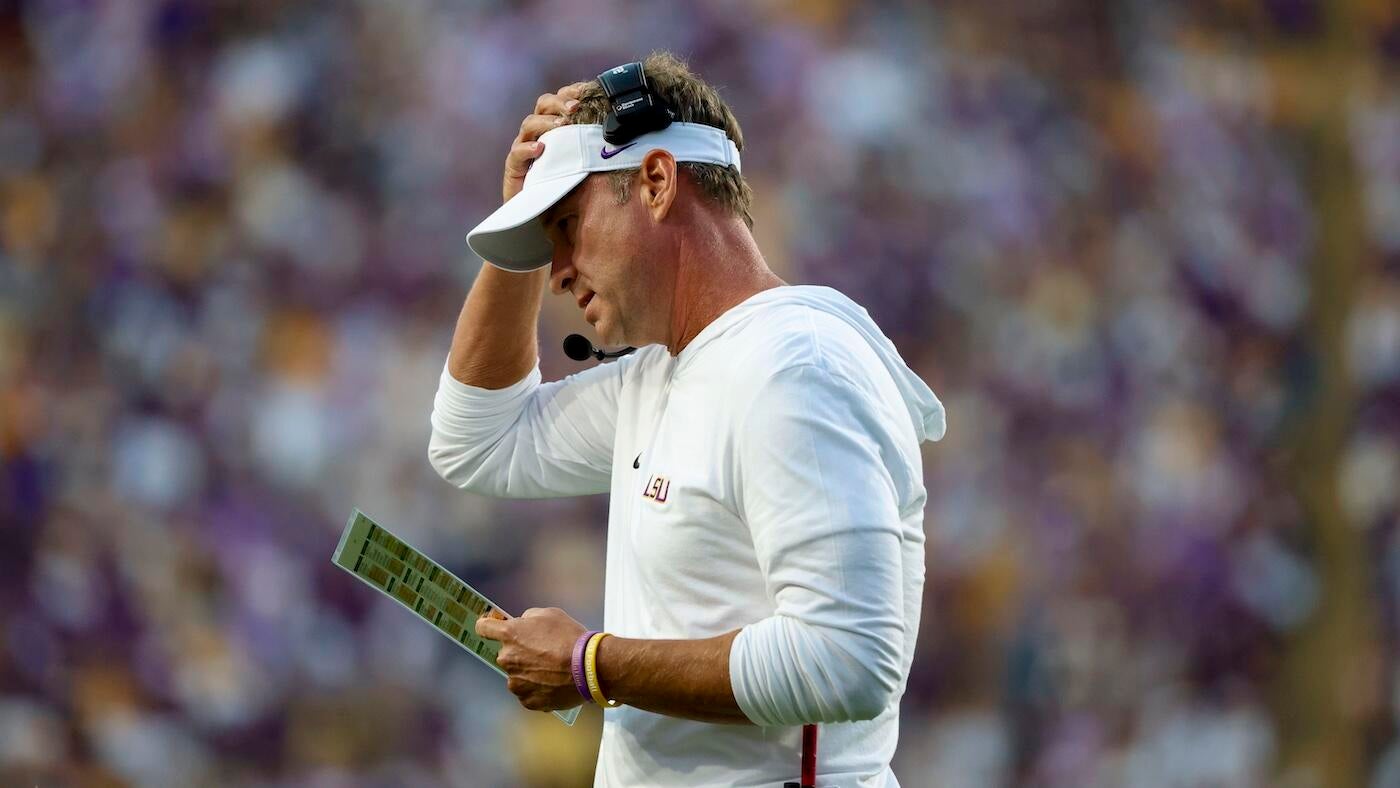
In the immediate aftermath of the defeat, official remarks from the coaching staff focused on accountability and the need for immediate corrective action. Lane Kiffin acknowledged the team’s shortcomings, emphasizing that the depth and quality of the roster should have produced a more competitive result. Stakeholders within the athletic department are now facing pressure to provide a clear roadmap for improvement, as the current trajectory threatens to undermine the substantial investment made in the program’s recent restructuring and talent acquisition efforts.
In-Depth Analysis & Key Details
The historical background of LSU’s recent struggles reveals a pattern of high expectations meeting inconsistent execution, a dynamic that has characterized the program since the transition to the SEC’s most competitive era. The decision to sign Lane Kiffin to a record-breaking contract was intended to signal a new era of dominance, leveraging the university’s financial strength to outspend rivals for talent. However, the structural forces at play in modern college football, including the transfer portal and the increasing complexity of defensive schemes, have created a competitive environment where financial superiority alone is insufficient. The program’s reliance on individual star power has not compensated for the lack of systemic cohesion, a gap that becomes pronounced against well-coached opponents like Alabama.
Competing perspectives within the football industry debate whether the issue lies in coaching philosophy, roster construction, or the inherent difficulty of competing in the SEC. Critics argue that the current roster, while expensive, lacks the specific skill sets required to counter elite defenses, while supporters point to the youth and development curve of the squad. The economic consequences of this underperformance are significant, as sustained failure can lead to decreased ticket sales, reduced television revenue, and a potential decline in corporate sponsorship. The regulatory aspects of college football, including the ongoing debates around player compensation and transfer rules, further complicate the program’s ability to retain and integrate talent effectively.
Expert domain context suggests that the challenge facing LSU is not merely tactical but cultural. The rapid turnover of players through the transfer portal and the constant influx of new recruits can hinder the development of the team chemistry and institutional knowledge necessary for sustained success. The program must balance the immediate pressure for results with the long-term development of a cohesive unit. This tension is exacerbated by the high-profile nature of the coaching staff and the financial stakes involved, creating an environment where any misstep is magnified and scrutinized by a national audience.
"The $91 million contract was a statement of intent, but on the field, LSU’s inability to execute against elite competition reveals that financial leverage cannot substitute for tactical discipline and cohesive team identity."
Why This Matters & What Lies Ahead
The direct impact of LSU’s ongoing struggles extends beyond the sports world, influencing the broader landscape of college athletics and fan engagement. For everyday readers and fans, the disconnect between massive financial investment and competitive failure raises questions about the value of their support and the integrity of the program’s management. This situation has implications for public policy and the regulation of college sports, as it highlights the risks associated with the current model of recruiting and player movement. The potential for decreased fan loyalty and revenue could have ripple effects on the university’s broader athletic and academic initiatives, which are often funded in part by athletic success.
Upcoming milestones to watch include the next series of SEC matchups, where LSU will have the opportunity to demonstrate any progress in addressing its tactical deficiencies. Additionally, the end-of-season review and any subsequent coaching or administrative changes will be critical indicators of the program’s direction. Stakeholders should also monitor the transfer portal period, as the retention of key players and the addition of targeted transfers could signal a shift in strategy. The outcome of these developments will determine whether LSU can stabilize its program and regain its status as a competitive force in the SEC and the national landscape.
Source: Reported by CBS Sports · Analyzed & Synthesized by DNB Newsroom