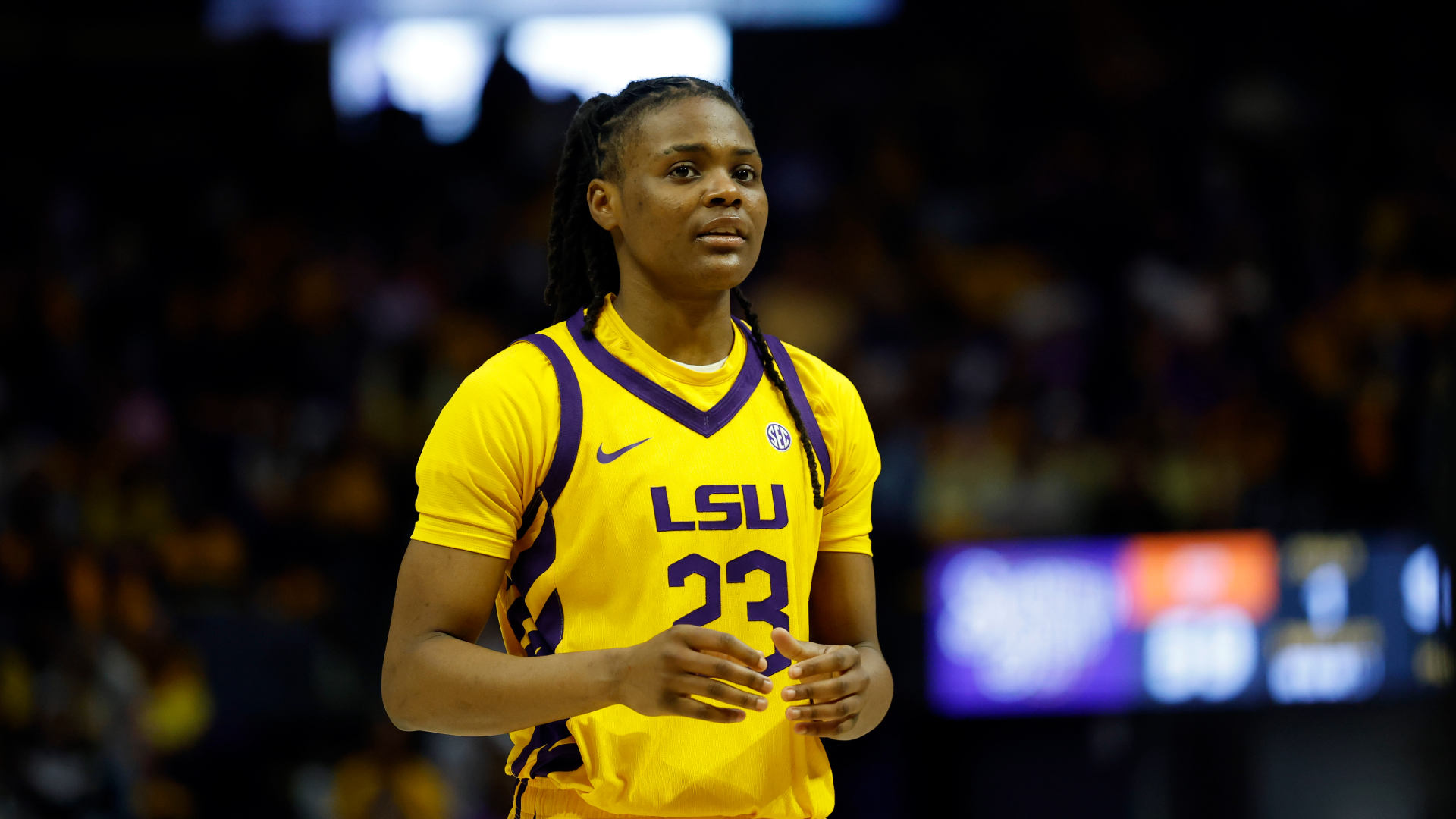
MiLaysia Fulwiley, the prolific guard for the LSU Tigers, has been granted clearance to return to the court after prosecutors dropped the felony charges stemming from an alleged vehicular assault on a law enforcement officer. This legal development serves as a critical turning point for the athlete, who had been sidelined while awaiting the resolution of the most severe allegations. The dismissal effectively lowers the legal stakes, shifting the focus from potential incarceration to lesser offenses, and permits the university to reinstate her to the active roster without violating eligibility standards tied to serious criminal indictments.
The incident in question involved Fulwiley allegedly striking a police officer with her vehicle, an act that initially triggered a felony complaint. With the felony count now removed from the docket, the remaining legal burden consists of three misdemeanor charges. These lesser counts, while still requiring judicial attention, do not carry the same weight of potential long-term imprisonment that would have necessitated a prolonged absence from professional or collegiate competition. The geographical and institutional context places this resolution within the broader framework of Louisiana state law and the specific policies governing student-athlete conduct at the university level.
University officials and athletic directors have expressed relief at the ability to retain a key player during a pivotal season. While no formal public statement has been issued detailing the internal deliberations, the operational reality is clear: the Tigers can now plan their strategic rotations with Fulwiley included. The athlete’s return is expected to bolster the team’s offensive capabilities, as she is recognized as a primary creator and scorer. Stakeholders, including fans and local media, are monitoring the situation closely, balancing support for the player’s athletic career with interest in the ongoing legal proceedings.
In-Depth Analysis & Key Details
The case of MiLaysia Fulwiley underscores the intricate relationship between the criminal justice system and collegiate athletics. Historically, student-athletes facing serious criminal charges have found themselves in a precarious position, where the uncertainty of legal outcomes often leads to immediate suspension from team activities. This is not solely due to institutional policy but also a reflection of the broader societal demand for accountability. The dismissal of the felony charge suggests that prosecutors may have found insufficient evidence for the most serious count or opted for a plea bargain strategy focusing on the misdemeanors. This procedural nuance is critical for understanding the timeline of her return.
From a regulatory perspective, the NCAA and individual universities maintain strict codes of conduct that can suspend athletes pending legal resolution. However, the distinction between felony and misdemeanor charges often dictates the severity of the institutional response. In this case, the removal of the felony allegation likely allowed the university to determine that the risk to the institution’s reputation and the athlete’s eligibility was manageable. Industry analysts observe that such cases often become testaments to the legal system’s capacity to differentiate between levels of criminal severity, which in turn influences how athletic departments manage their rosters during legal limbo.
The technical intricacies of the case also involve the specific allegations of hitting a police officer, which carries significant social and legal weight. The transition from a felony to a misdemeanor charge implies a re-evaluation of the intent and outcome of the incident. This shift requires careful navigation by legal counsel and university administrators to ensure compliance with both state law and athletic association rules. The broader implications extend to how similar cases are handled across the collegiate sports landscape, setting a precedent for the intersection of legal accountability and athletic participation.
"The dismissal of felony charges represents a pivotal legal clearance, yet the lingering misdemeanor counts remind us that the intersection of athletic eligibility and criminal justice remains a complex and ongoing negotiation."
Why This Matters & What Lies Ahead
For consumers of collegiate sports, the return of a high-profile player like MiLaysia Fulwiley directly impacts the competitive dynamics of the team and the broader conference standings. Fans and bettors alike are keenly aware that the presence of a primary scorer can alter game outcomes, making legal clarity a tangible factor in the sporting landscape. Furthermore, this case serves as a public case study in how legal systems handle incidents involving public figures, influencing public perception of both the justice system and the institutions that employ these athletes. The financial implications for the university, in terms of ticket sales and media rights, are also tied to the stability and success of its flagship sports programs.
Upcoming milestones to monitor include the court dates for the three remaining misdemeanor charges, which could potentially lead to fines, community service, or other penalties that might affect Fulwiley’s availability for games. Additionally, the university’s athletic compliance office will likely continue to review the athlete’s status to ensure adherence to all institutional policies. Stakeholders should watch for any further legal developments that could impact her eligibility, as well as the team’s performance in the weeks following her return. The resolution of these remaining charges will provide a final chapter in a case that has drawn significant public attention.
Source: Reported by CBS Sports · Analyzed & Synthesized by DNB Newsroom


