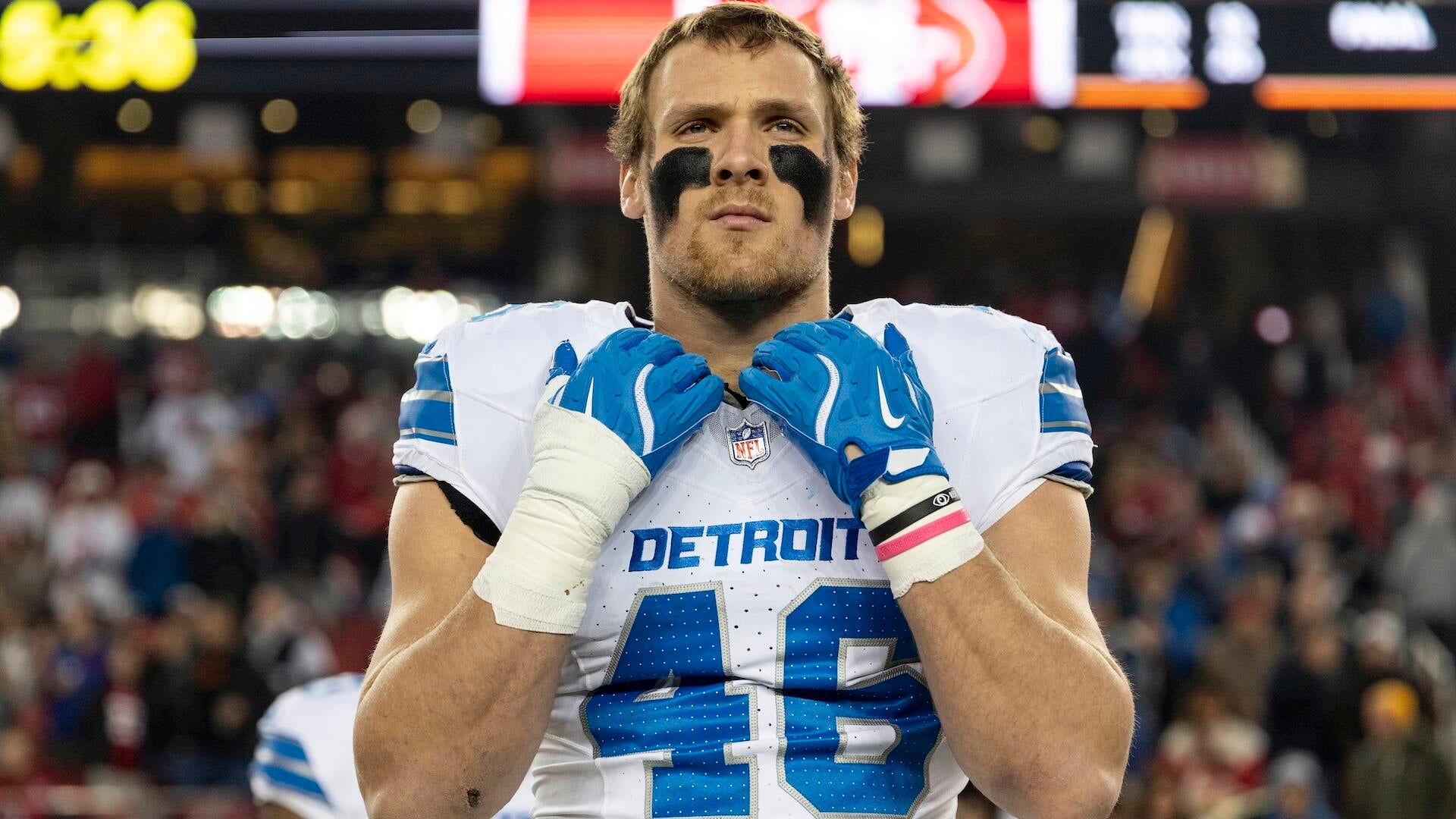
In a significant development following a high-impact play during the Detroit Lions' matchup against the Minnesota Vikings, linebacker Jack Campbell has publicly addressed the medical status of his injuries. The statement, released directly by the player, serves as a definitive update after initial reports of a 'scary' collision left fans and analysts in a state of uncertainty regarding the extent of the physical damage. Campbell’s direct communication marks a pivotal moment in the post-game aftermath, providing the first authoritative account of his physical capabilities from the source itself.
The collision in question occurred during a critical phase of the game, drawing immediate attention from medical personnel on the field and raising concerns about potential spinal or complex musculoskeletal trauma. The geographical and operational context of the injury was intense, with the safety protocols of the NFL activated immediately to ensure Campbell was transported for thorough diagnostic imaging. The initial ambiguity surrounding the diagnosis created a temporary void in information, which Campbell’s statement now fills with specific, medical details regarding his mobility.
In his remarks, Campbell explicitly stated that he has full movement in his lower body, a critical detail that addresses the most severe fears associated with such a violent impact. He further noted that he is making progress with his upper body, suggesting that while the lower half of his body is functionally intact, the upper torso is undergoing a more complex healing process. This nuanced distinction in his recovery status provides a clearer picture for the Lions' coaching and medical staff, who can now tailor his rehabilitation protocols with greater precision and confidence.
In-Depth Analysis & Key Details
The incident involving Jack Campbell highlights the inherent physical risks embedded in the modern NFL, where the speed and force of player collisions have increased due to advancements in player training and athleticism. Historically, such high-impact plays have often led to season-ending or career-altering injuries, particularly when involving the spine or neck. The current landscape sees a heightened focus on player safety, with the league implementing stricter protocols for helmet usage and contact, yet the fundamental physics of the sport remain a constant threat to player health. Campbell’s injury serves as a reminder that despite technological and regulatory advancements, the human body remains vulnerable to the extreme forces exerted on the field.
From a medical and operational perspective, the distinction between lower and upper body recovery is significant. Lower body injuries, particularly those involving the spine, carry a much higher risk of permanent disability and require more cautious, long-term management. The fact that Campbell retains full lower body mobility significantly reduces the immediate risk of long-term career impairment. However, upper body injuries, while often less catastrophic in the long term, can severely limit a linebacker's ability to make plays, tackle, and maintain the physical dominance required for his position. This duality in his injury profile presents a complex challenge for the medical team, who must balance the urgency of returning him to play with the necessity of ensuring full functional recovery in his upper torso.
Expert analysis suggests that the prognosis for upper body injuries in linebackers is generally favorable, provided that rehabilitation is conducted meticulously. The role of the medical staff in managing such cases is critical, as they must monitor for any signs of nerve damage or muscle strain that could complicate the healing process. Furthermore, the psychological aspect of recovery cannot be overlooked; players often face anxiety and fear of re-injury after such a traumatic event. Campbell’s proactive communication of his status may also serve to alleviate some of this psychological burden, allowing him to focus more effectively on his physical rehabilitation.
"The confirmation of full lower-body mobility transforms the narrative from a potential career-ending crisis to a manageable, albeit challenging, upper-body recovery protocol, underscoring the critical role of precise medical communication in high-stakes sports."
Why This Matters & What Lies Ahead
For fans, analysts, and the broader sports community, this update provides essential clarity on the health of a key defensive player for the Detroit Lions. The immediate impact is a reduction in uncertainty, allowing for more accurate predictions regarding the team's defensive capabilities in upcoming games. For the NFL, such incidents reinforce the ongoing debate around player safety and the effectiveness of current protective equipment and rules. The league continues to face pressure from players, unions, and public health advocates to implement further measures to reduce the frequency and severity of such injuries. Campbell’s case, while not as severe as feared, still serves as a data point in the broader conversation about the physical toll of professional football.
Looking ahead, the key milestones to watch include Campbell’s progression through his rehabilitation program and his return to full practice. The Lions' medical staff will likely provide regular updates on his upper body recovery, which will be closely monitored by both the team and the league. Additionally, the NFL may use this incident as a case study in its ongoing efforts to improve player safety protocols. Fans and stakeholders should keep an eye on official team announcements and league reports for any further developments regarding Campbell’s status and the broader implications for player health policies in the NFL.
Source: Reported by CBS Sports · Analyzed & Synthesized by DNB Newsroom