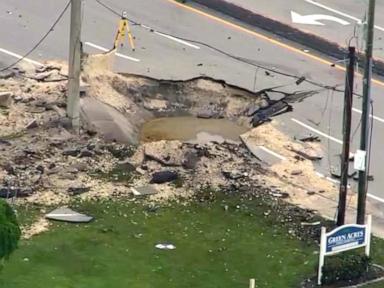
On Sunday afternoon, a twin‑engine Learjet vanished from radar over central Florida and later slammed into State Road 27, killing the pilot, co‑pilot, and seven passengers. Emergency responders recovered a mangled fuselage and scattered debris along a two‑mile stretch, confirming the loss of all nine occupants. The National Transportation Safety Board, leading the probe, quickly dispatched a team to the scene, securing flight data recorders and initiating a forensic examination of the wreckage.
The aircraft, a 2014 Learjet 60, had departed from a private airstrip near Orlando bound for a corporate conference in Tampa. Weather reports indicated clear skies and light winds, eliminating obvious environmental factors. NTSB officials, citing early telemetry, said the jet exhibited abnormal vibration signatures consistent with structural breakup before ground impact. Federal Aviation Administration representatives have pledged full cooperation, while families of the victims await answers amid a growing call for transparency.
In-Depth Analysis & Key Details
Corporate aviation has long wrestled with aging fleets and the high cost of rigorous maintenance, a tension that resurfaced after a series of incidents involving aging Learjet models over the past decade. Historical data from the NTSB show that metal fatigue and undetected stress fractures have contributed to at least five in‑flight failures since 2010, prompting periodic safety bulletins but no sweeping regulatory overhaul. The current investigation revisits those findings, probing whether the aircraft’s 8,500 flight‑hour record and recent heavy‑use schedule may have exceeded design tolerances.
Regulators are now balancing industry pushback against the financial burden of more frequent inspections with mounting public pressure for stricter oversight. Aviation analysts note that the FAA’s existing Airworthiness Directives for the Learjet 60 series focus on specific components, yet the new evidence of mid‑air disintegration could broaden the scope to include fuselage skin and wing attachment points. Experts from the Aerospace Safety Advisory Panel warn that without decisive action, similar tragedies could recur, potentially eroding confidence in private jet travel and prompting insurers to reassess risk models.
"If the jet truly began to fall apart in the sky, it signals a systemic blind spot that our current oversight framework has failed to catch."
Why This Matters & What Lies Ahead
For everyday travelers and businesses that rely on private aviation, the incident underscores the hidden risks of operating older aircraft without exhaustive, real‑time structural health monitoring. A confirmed pattern of fatigue‑related failures could drive corporations to retire legacy jets earlier, reshaping fleet composition and influencing capital allocation across the sector.
Legislators in Washington are already drafting proposals to tighten mandatory inspection intervals and to fund research into advanced sensor technologies that detect micro‑cracks before they become catastrophic. The NTSB is slated to release a full interim report within 90 days, and a congressional hearing on corporate jet safety is scheduled for early next year, making these developments pivotal for policymakers, insurers, and the broader aviation community.
Source: Reported by ABC News · Analyzed & Synthesized by DNB Newsroom