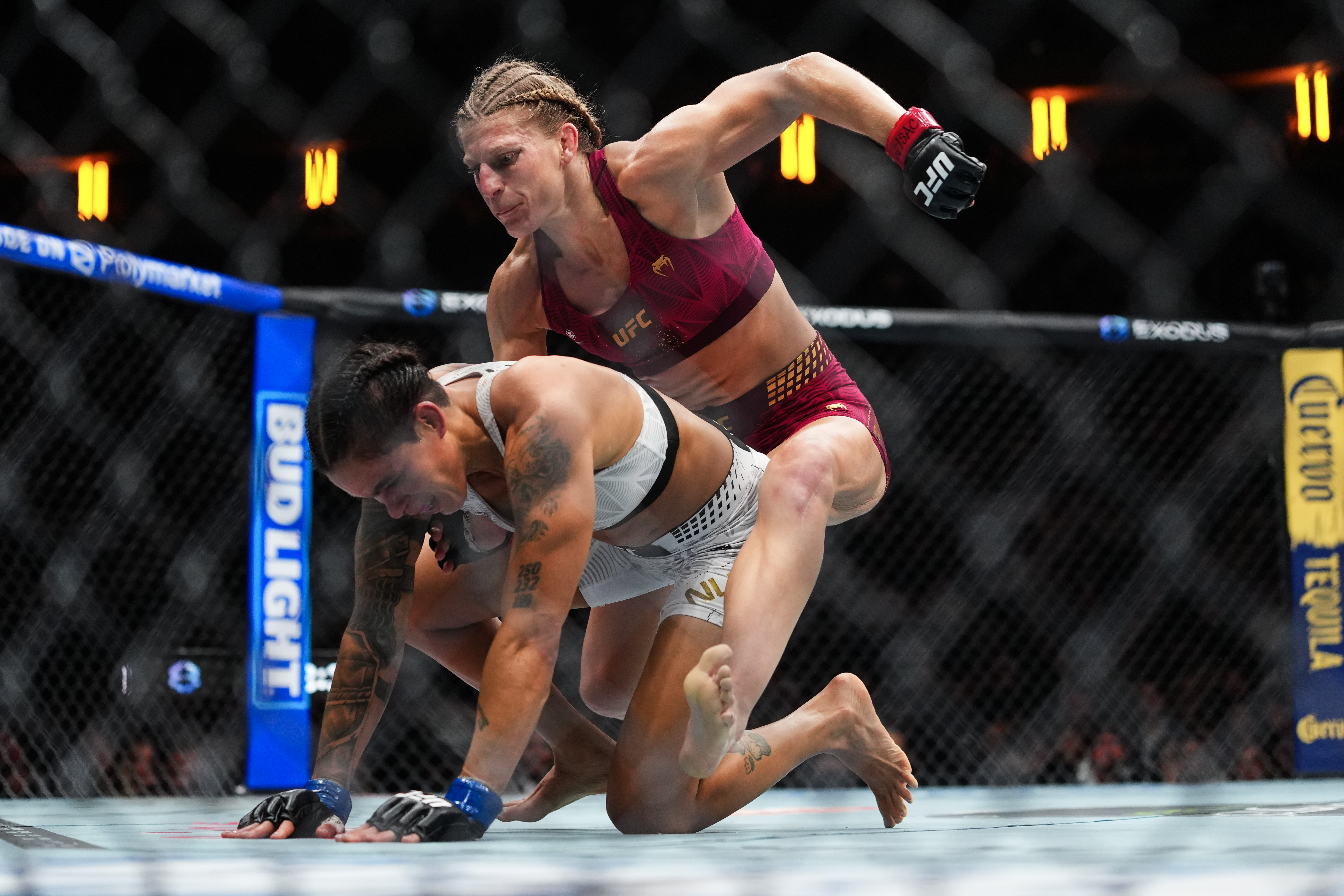
Kayla Harrison, the former Olympic judo champion who transitioned to mixed‑martial‑arts, emerged victorious over UFC Hall of Famer Amanda Nunes on Saturday night at UFC 334 in Las Vegas, securing a unanimous decision win that cemented her position as the sport's premier female pound‑for‑pound competitor.
The bout, held at the T-Mobile Arena before a sell‑out crowd, marked Harrison's fifth fight under the UFC banner and her first against a former two‑division champion. The result propelled her to the apex of the women's bantamweight rankings, a spot she has maintained since her debut in 2020.
In a post‑fight interview, Harrison revealed that she intends to step back from competition for an undefined period to "do some soul‑searching." UFC President Dana White acknowledged her statement, noting the organization respects athletes' mental‑health decisions while emphasizing the impact on upcoming fight cards.
In-Depth Analysis & Key Details
Harrison's ascent from Olympic judo to MMA reflects a broader trend of athletes crossing disciplines to capitalize on the sport's expanding global platform. Historically, the UFC has leveraged Olympic pedigree to attract mainstream attention, a strategy that intensified after Ronda Rousey's success in the early 2010s. Harrison's rapid rise mirrors that blueprint, yet her potential departure underscores the fragility of star‑driven narratives in a sport still seeking sustained mainstream legitimacy.
The decision to pause comes amid growing scrutiny over fighter burnout and mental‑health support within combat sports. Regulatory bodies such as state athletic commissions have begun mandating post‑fight medical assessments, while advocacy groups push for comprehensive wellness programs. Economic analysts observe that the UFC's revenue model heavily depends on marquee matchups; the loss of a top‑draw like Harrison could compel the promotion to accelerate the development of alternative female stars to preserve pay‑per‑view buy rates.
Industry observers point to the contractual dynamics between athletes and the UFC, noting that high‑profile fighters often negotiate clauses allowing for extended breaks. While Harrison's contract specifics remain private, the public statement aligns with a pattern where elite competitors leverage their marketability to secure personal time without jeopardizing future earning potential.
"Harrison's choice to step away illustrates the delicate balance between personal well‑being and the commercial demands of modern mixed‑martial‑arts."
Why This Matters & What Lies Ahead
For everyday fans, Harrison's possible retirement reshapes the narrative arc of women's MMA, removing a dominant figure whose fights have driven ticket sales, streaming subscriptions, and sponsorship deals. The shift may also inspire younger athletes to consider the long‑term health implications of a high‑impact career, potentially influencing grassroots participation rates.
Legislators and athletic commissions will watch how the UFC responds to this high‑profile hiatus, as it could set precedents for future policies on fighter mental‑health accommodations. Upcoming UFC events slated for the next quarter will need to fill the promotional void, while the organization’s quarterly earnings report—due in early 2027—will likely reflect any revenue fluctuations tied to Harrison's absence. Stakeholders should monitor the UFC's talent pipeline announcements and any formal statements from the athlete’s management team regarding a definitive retirement timeline.
Source: Reported by Yahoo Sports · Analyzed & Synthesized by DNB Newsroom