Kalshi has activated a significant user acquisition campaign centered on the upcoming NFL Week 12 schedule, specifically targeting the high-traffic window of Thanksgiving Day. The platform, which operates as a regulated exchange for event contracts, is offering new participants a $55 bonus contingent upon making at least $25 in trades. This promotional structure is designed to lower the barrier to entry for individuals interested in trading on the outcomes of major sporting events, positioning the platform as a competitive alternative within the rapidly evolving sports betting landscape.
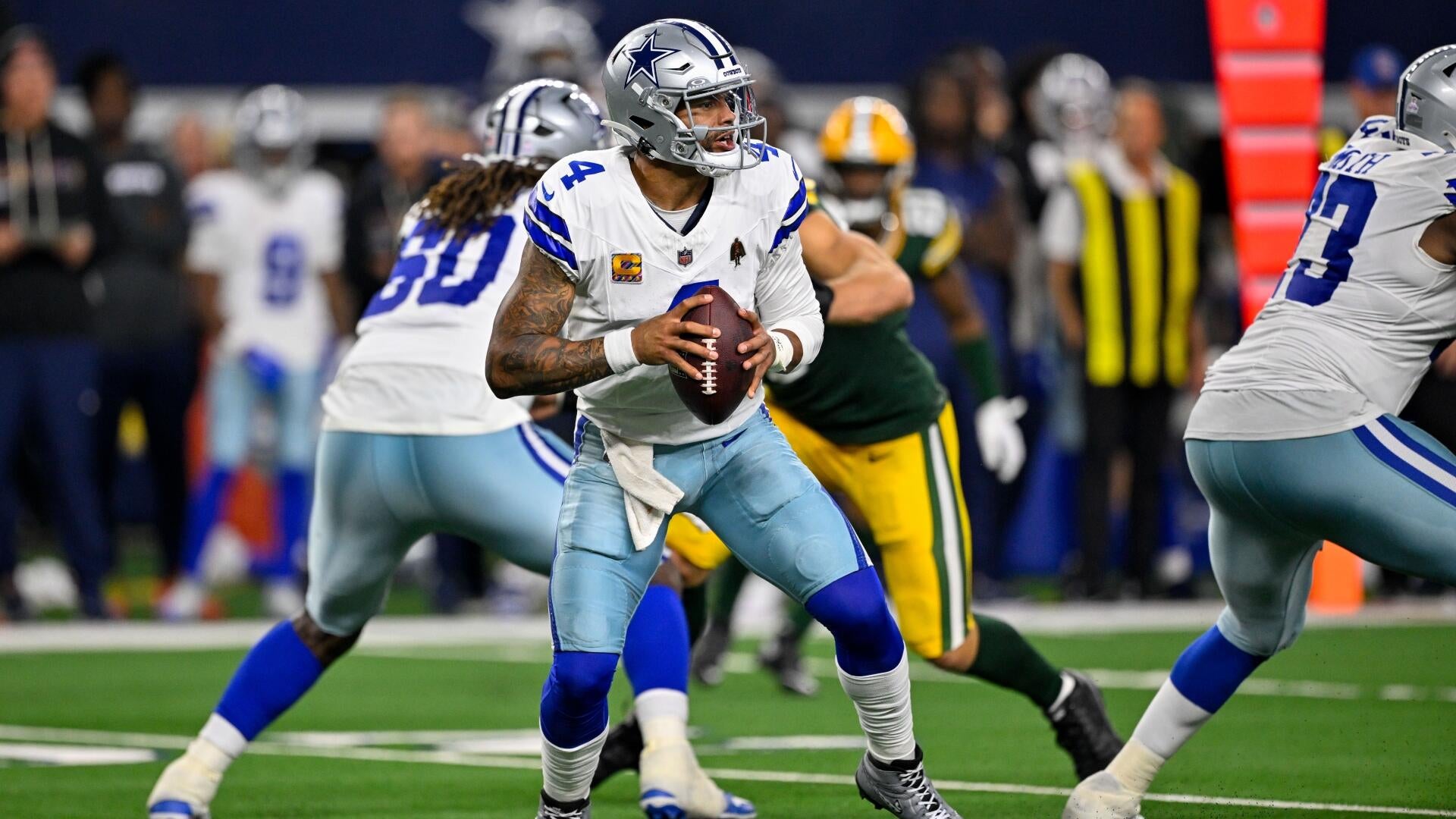
The timing of this initiative is deliberate, coinciding with one of the most-watched weekends in American sports. The Thanksgiving Day card features two nationally televised games: the Buffalo Bills hosting the Kansas City Chiefs and the Philadelphia Eagles facing the Dallas Cowboys. These matchups carry substantial cultural and commercial weight, driving high viewership and, consequently, high trading volume on platforms that allow users to speculate on game outcomes, player statistics, and final scores.
By linking the bonus to a modest trading threshold, Kalshi aims to convert casual viewers into active participants in the prediction market. The platform emphasizes its regulated status, distinguishing its event contracts from traditional sports betting by framing them as financial instruments traded on an exchange. This positioning appeals to a demographic that may be hesitant to engage with traditional sportsbooks due to regulatory or ethical concerns, while still offering the excitement of predicting sports outcomes.
In-Depth Analysis & Key Details
The rise of prediction markets like Kalshi reflects a broader shift in how consumers engage with sports data and uncertainty. Historically, sports betting has been dominated by bookmakers who set odds and take the other side of the bet, creating a principal-agent conflict of interest. In contrast, prediction markets operate as exchanges where users trade against each other, with the platform acting as a neutral intermediary. This model offers greater transparency in pricing and liquidity, as odds are determined by supply and demand rather than a single entity’s risk assessment.
Regulatory dynamics have played a crucial role in enabling this growth. Following the Supreme Court’s 2018 decision in Murphy v. NCAA, which struck down the federal ban on sports betting, states have moved to legalize and regulate the industry. Kalshi has positioned itself within this new regulatory framework, obtaining necessary approvals to operate as a derivatives exchange. This regulatory clarity provides a layer of consumer protection and legitimacy that is often absent in offshore or unregulated betting platforms, making it an attractive option for risk-averse users seeking legal certainty.
Industry analysts observe that the competition for user acquisition in the sports betting and prediction space is intensifying. Traditional sportsbooks are responding to the threat of prediction markets by enhancing their own user experiences and offering competitive promotions. However, the unique value proposition of prediction markets lies in their ability to offer a wider array of tradable events and more granular pricing. As consumer awareness grows, the distinction between betting and trading may become less relevant to the average user, who is primarily interested in the excitement of predicting outcomes and the potential for financial gain.
"The convergence of sports entertainment and financial trading is no longer a niche phenomenon; it is becoming a mainstream avenue for consumer engagement, driven by regulatory clarity and the demand for transparent, market-driven odds."
Why This Matters & What Lies Ahead
For everyday consumers, the availability of regulated prediction markets offers a new way to engage with sports, combining the thrill of the game with the potential for financial reward. The low entry barrier of $25 in trades makes this accessible to a broader audience, not just high-stakes bettors. However, users must exercise caution, as trading on event contracts carries financial risk, and the volatility of sports outcomes can lead to significant losses. Consumers are advised to understand the mechanics of prediction markets and to only trade with funds they can afford to lose.
Looking ahead, the regulatory landscape for prediction markets will continue to evolve. State legislatures and federal regulators are closely monitoring the growth of these platforms, balancing the benefits of increased competition and consumer choice against the risks of gambling addiction and financial harm. Upcoming legislative sessions may see further debates on the definition of sports betting versus event trading, as well as discussions on responsible gambling measures. Stakeholders, including sports leagues, media companies, and financial regulators, are watching closely to determine how this new market segment will be integrated into the broader sports economy.
Source: Reported by CBS Sports · Analyzed & Synthesized by DNB Newsroom