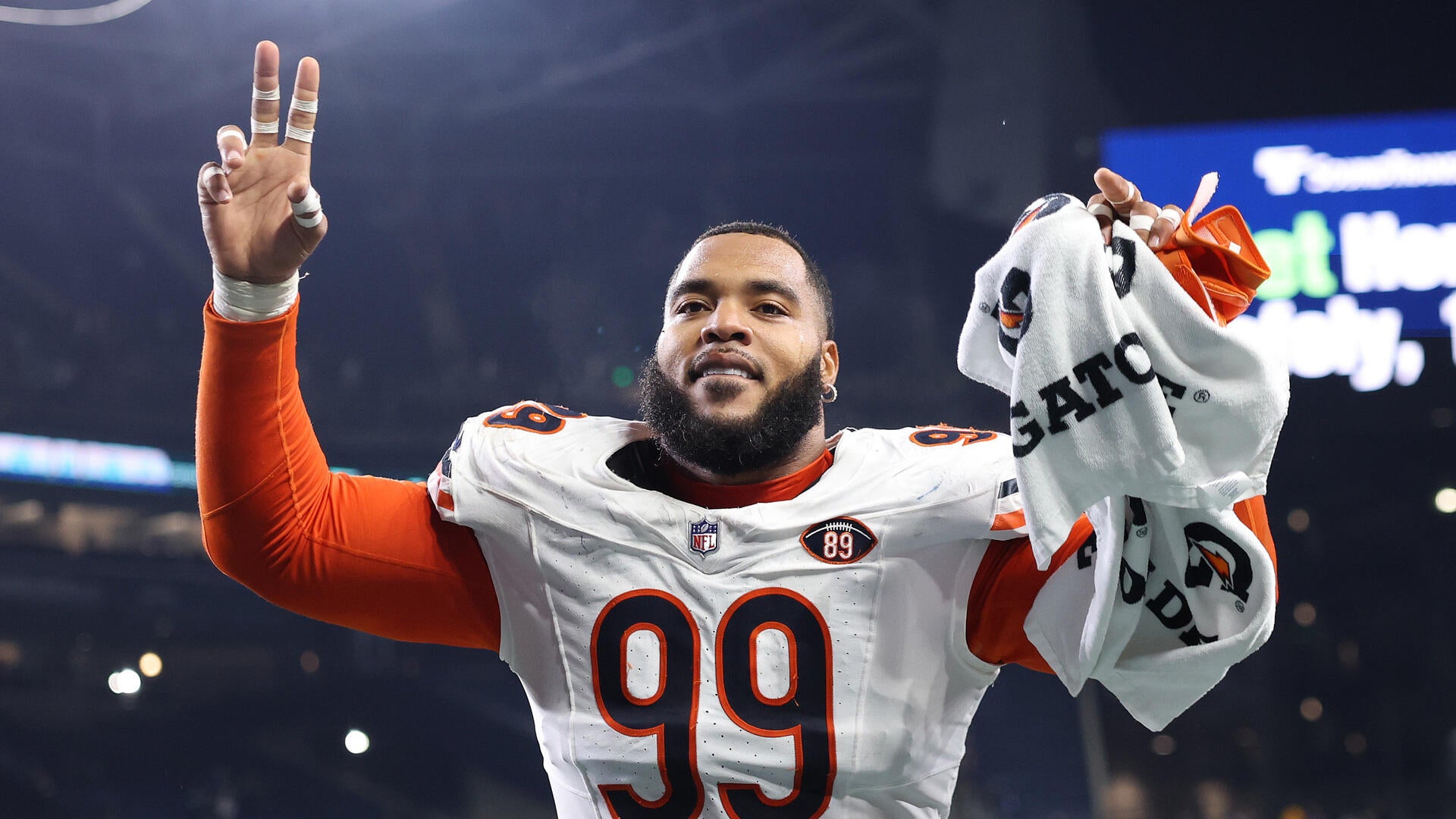
In a development that casts a shadow over the Green Bay Packers' offensive momentum, star running back Josh Jacobs was forced to withdraw from action against the New England Patriots due to a hand injury. The incident occurred during a standard offensive play where Jacobs attempted to use his arm to create separation from a defender. As he extended his arm for the stiff-arm, his hand inadvertently hooked into the facemask of the opposing player, resulting in a sudden and painful stop to the play that required him to limp off the field.
The geographical and operational context of the injury places it within the high-stakes environment of the NFL's mid-season grind, where physical contact is both expected and regulated. The specific mechanics of the injury—a hand caught in a facemask—highlight the unpredictable nature of football collisions, even when players are executing textbook techniques. Team medical staff immediately attended to Jacobs on the sideline, assessing the extent of the damage to his fingers and palm before making the decision to remove him from the remainder of the contest.
While official statements from the Packers' coaching staff and medical team have been reserved, initial reports suggest that the injury is significant enough to warrant a full diagnostic workup, including potential imaging. The absence of Jacobs, a key component of the Packers' ground game, forces the coaching staff to pivot their offensive approach, relying more heavily on the passing game and backup running backs to maintain yardage and control the clock against a defensive-minded opponent.
In-Depth Analysis & Key Details
The history of hand injuries in the NFL reveals a pattern of frustration for both players and teams, as these injuries often result in prolonged absences that disrupt offensive rhythm. Unlike foot or ankle injuries, which may allow for limited participation, hand injuries can severely compromise a running back's ability to carry the ball, block, or execute the precise hand-offs required in a modern offense. This incident underscores the ongoing debate within the league regarding the safety of equipment, particularly facemasks, and whether current designs adequately protect players from such entanglements.
From a regulatory and tactical perspective, the injury highlights the tension between aggressive play-calling and player welfare. Coaches often encourage stiff-arms and other techniques to create space, but the inherent risk of entanglement with protective gear remains a persistent concern. Competing perspectives include the view that such injuries are an unavoidable part of the sport's physicality versus the argument that equipment modifications could mitigate these risks without compromising the integrity of the game.
Expert analysis suggests that the immediate aftermath of such an injury requires a careful balance between urgency and caution. Rushing a player back onto the field too soon can exacerbate the damage, while an overly conservative approach can result in unnecessary missed games. The Packers' medical staff will likely focus on inflammation management and range-of-motion exercises in the coming days, with a return-to-play timeline dependent on Jacobs' ability to grip and carry the ball without pain or risk of re-injury.
"The entanglement of a player's hand in a facemask is a stark reminder of the unpredictable hazards inherent in football, where even the most disciplined technique can lead to sudden and debilitating injury."
Why This Matters & What Lies Ahead
For fans and stakeholders, the injury to Josh Jacobs has immediate implications for the Green Bay Packers' competitive outlook and the broader dynamics of the NFL. The loss of a primary ball carrier can shift the balance of power in games, forcing teams to adapt their strategies and potentially leading to higher-scoring, more unpredictable matchups. For the Packers, the injury could impact their ability to sustain drives and manage game time, which is crucial in close contests.
Looking ahead, the key milestones to monitor include the results of Jacobs' diagnostic imaging and the team's official update on his status. The upcoming weeks will be critical in determining whether Jacobs can return to the lineup before the playoffs, a period where every game is effectively a final. Additionally, the incident may reignite discussions within the NFL regarding equipment safety and player protection protocols, potentially influencing future rule changes or gear specifications.
Source: Reported by Yahoo Sports · Analyzed & Synthesized by DNB Newsroom