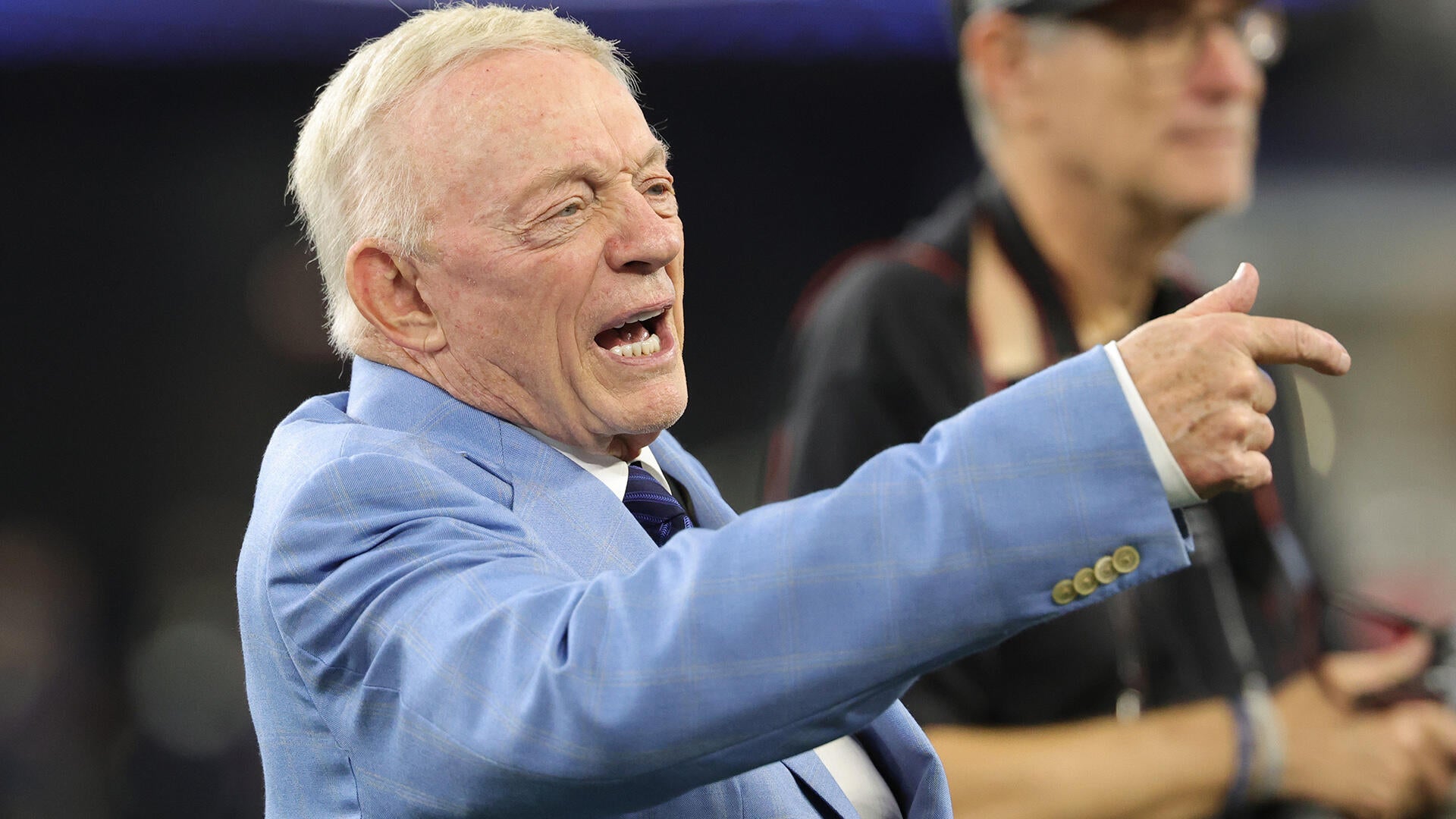
In a stark departure from the reactive management styles often seen in professional sports, Jerry Jones, the long-time owner of the Dallas Cowboys, has articulated a coaching philosophy that fundamentally decouples financial investment in coaching staff from the immediate outcome of playoff qualification. Jones asserts that while coaching is a vital component of team performance, it is not the singular variable responsible for the franchise's inability to secure postseason berths. This declaration serves as a direct response to mounting fan frustration and media speculation that the Cowboys' recent struggles are primarily attributable to coaching deficiencies rather than broader organizational issues.
The context of this statement is the continued extension of the Cowboys' playoff drought, a period of underperformance that has tested the loyalty of one of the NFL's most dedicated fan bases. By emphasizing that coaching investment has no direct correlation with winning, Jones is effectively insulating the coaching position from being the sole scapegoat for the team's lack of success. This operational context highlights a complex internal dynamic where the front office is attempting to redefine success metrics beyond just the win-loss record of the regular season, focusing instead on long-term roster construction and player growth.
Official remarks from Jones underscore his belief in the stability of the organization's core principles, suggesting that frequent coaching changes or excessive spending on coaching staff does not yield the desired return on investment. Stakeholder responses to this viewpoint have been mixed, with analysts debating whether this philosophy reflects a confident long-term strategy or a defensive mechanism to avoid accountability. The immediate reaction within the sports community centers on the tension between traditional expectations of accountability and Jones' insistence on a more holistic view of organizational health.
In-Depth Analysis & Key Details
The historical background of the Cowboys' management style under Jerry Jones reveals a pattern of prioritizing control and continuity over radical change. Unlike other NFL franchises that have cycled through multiple head coaches in short periods, the Cowboys have often maintained longer tenures, betting on the idea that institutional knowledge and stability yield better long-term results. This approach contrasts sharply with the modern NFL trend of rapid turnover, where teams often view coaching as a replaceable variable in the equation of success. Jones' current stance is a reinforcement of this historical philosophy, suggesting that the organization's identity is rooted in its foundational processes rather than its current personnel.
Competing perspectives on this issue highlight a significant divide in sports management theory. Proponents of the Jones model argue that frequent coaching changes disrupt team culture and player development, leading to inconsistent performance. Conversely, critics contend that in a league where strategy and play-calling evolve rapidly, clinging to a static coaching philosophy can lead to obsolescence. The economic consequences of this debate are substantial, as the salary cap and coaching contracts represent significant financial commitments. If coaching is not the primary driver of success, the allocation of resources toward player acquisition and facility upgrades may need to be re-evaluated to maximize competitive advantage.
Expert domain context from sports economics and organizational behavior suggests that while coaching is important, it is often one of many variables in a complex system. Factors such as player health, draft success, and free agency market conditions play equally significant roles in determining playoff eligibility. Jones' philosophy aligns with a systems theory approach, where the organization is viewed as an interconnected whole rather than a collection of individual parts. This perspective requires a nuanced understanding of how different elements of the franchise interact, suggesting that the path to breaking the playoff drought may lie in optimizing these systemic interactions rather than focusing solely on the coaching staff.
"The illusion that coaching is a panacea for organizational dysfunction is the most dangerous myth in modern sports management; true success is built on the integrity of the system, not the charisma of the leader."
Why This Matters & What Lies Ahead
For everyday fans and investors in sports media, this shift in narrative has direct implications for how they assess team performance and value. If coaching is not the primary determinant of success, fans may need to adjust their expectations and focus on other metrics such as player development and draft success. For financial stakeholders, this philosophy could influence how they value the franchise's long-term potential, as a stable organizational culture may be seen as a more reliable indicator of future profitability than short-term coaching changes. The broader public policy implication is a reflection on accountability in large organizations, where leadership is increasingly expected to provide transparent, data-driven justifications for their strategic decisions.
Upcoming milestones to watch include the next coaching contract negotiations and the organization's approach to the upcoming draft. If the Cowboys continue to prioritize stability over change, it will test the limits of Jones' philosophy and the patience of the fan base. Additionally, any significant changes in the front office's talent evaluation process will be critical indicators of whether this new coaching philosophy is being implemented in practice. Monitoring these developments will provide insight into the effectiveness of the organization's long-term strategy and its potential to finally end the playoff drought.
Source: Reported by CBS Sports · Analyzed & Synthesized by DNB Newsroom