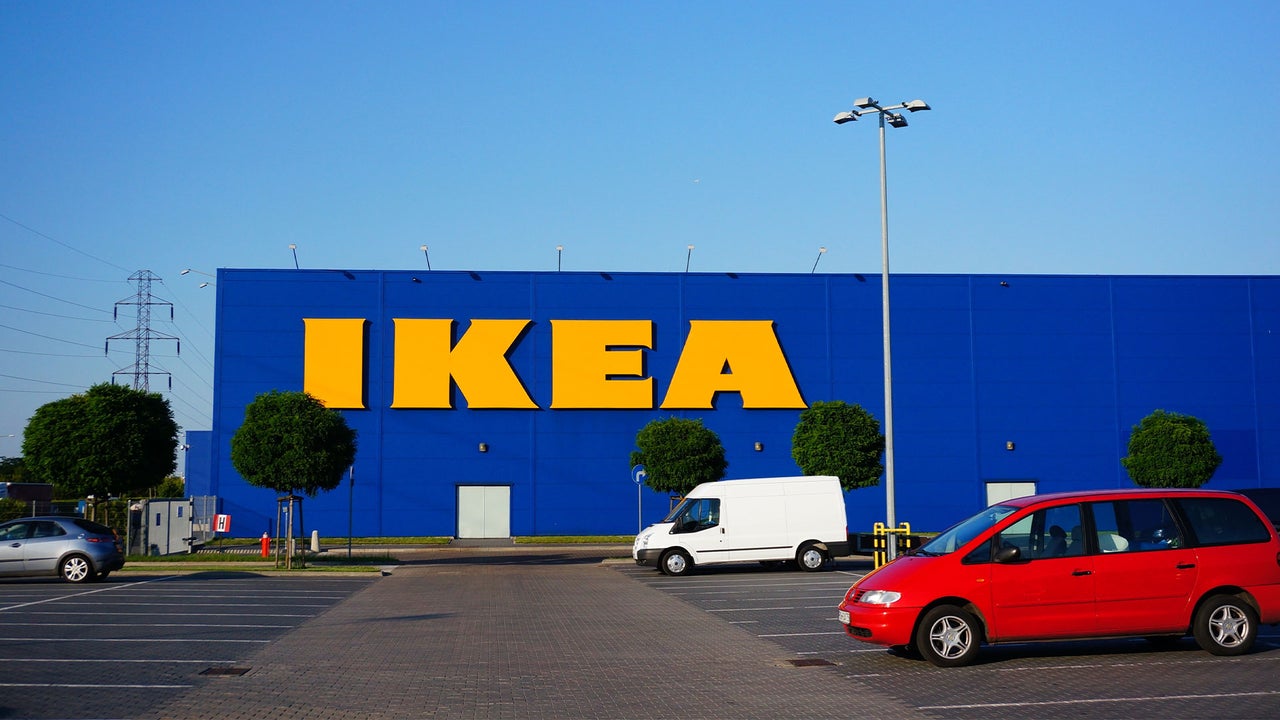
Ingka Group, the largest operator of IKEA stores globally, has confirmed the rollout of a new retail format that fundamentally alters the customer experience. The announcement marks a decisive departure from the iconic, labyrinthine warehouse layout that has served as the brand’s primary marketing tool for over half a century. Instead of forcing customers to navigate massive aisles to locate specific items, the new concept focuses on a curated selection of high-demand products, supported by robust digital tools that allow shoppers to browse the full catalog on-site while reserving items for delivery or pickup.
The initial rollout is targeted at high-density urban markets where space is at a premium and consumer expectations for convenience have shifted dramatically. These new locations will feature a sleeker, more modern aesthetic, replacing the industrial warehouse look with a boutique-like environment that emphasizes ease of navigation. The physical space is designed to act as a showroom and fulfillment center rather than a primary inventory storage unit, leveraging centralized logistics hubs to maintain wide product availability without occupying excessive retail square footage.
Company officials emphasized that this evolution is driven by a deep understanding of changing consumer behaviors, particularly the growing preference for quick, transactional shopping experiences. By integrating advanced inventory management systems, the new stores can provide real-time stock data, reducing the frustration of empty shelves. Early feedback from pilot locations suggests a significant improvement in customer satisfaction scores, with shoppers reporting a more relaxed and efficient visit. The move is also expected to attract a younger demographic that may have previously avoided IKEA due to the time commitment required for a traditional store visit.
In-Depth Analysis & Key Details
The shift in IKEA’s retail strategy is not an isolated event but a reflection of broader structural changes in the global furniture and home goods market. For decades, the IKEA model relied on economies of scale and the psychological engagement of the 'treasure hunt' shopping experience. However, the rise of e-commerce and the post-pandemic acceleration of digital adoption have eroded the necessity of large physical footprints. Industry analysts observe that the traditional warehouse model, while highly profitable in suburban areas, faces diminishing returns in urban centers where rent costs are high and customer traffic is more transient. The new format represents a strategic adaptation to these economic realities, prioritizing agility and digital integration over sheer volume.
Competing perspectives within the retail sector suggest that this move could set a new benchmark for omnichannel retailing. While some critics argue that the immersive aspect of the traditional IKEA store is a key differentiator that builds brand loyalty, proponents of the new model contend that convenience is the dominant factor in consumer decision-making today. The regulatory and logistical implications are also significant, as the new format requires a more sophisticated supply chain infrastructure to support rapid inventory turnover and last-mile delivery. This shift places greater pressure on logistics partners and may lead to increased investment in automated warehousing and distribution centers.
Expert domain context indicates that this transformation is part of a larger trend among major retailers to optimize their physical presence. Companies in the apparel, electronics, and grocery sectors are similarly rethinking their store formats to better align with digital-first consumer behaviors. The success of IKEA’s new model will likely depend on its ability to seamlessly integrate online and offline experiences, ensuring that the digital tools are intuitive and reliable. Additionally, the environmental impact of reduced store sizes and optimized logistics could be a key selling point, aligning with IKEA’s long-standing commitment to sustainability and reduced carbon footprint.
"The era of the labyrinth is ending; the future of retail is defined by precision, speed, and the seamless convergence of digital discovery and physical convenience."
Why This Matters & What Lies Ahead
For everyday consumers, this shift means a more efficient and less time-consuming shopping experience. The new store format is designed to accommodate busy lifestyles, allowing customers to quickly locate and purchase essential home goods without the need for a half-day outing. This is particularly relevant for urban dwellers who may not have the time or transportation to travel to large suburban stores. Furthermore, the integration of digital tools provides greater transparency in pricing and availability, reducing uncertainty and enhancing the overall customer experience. The move also signals a commitment to sustainability, as optimized logistics and reduced store sizes can lead to lower energy consumption and a smaller carbon footprint.
From a market and policy perspective, this development has implications for urban planning and retail zoning regulations. As major retailers like IKEA adapt their formats to fit urban environments, local governments may need to reconsider zoning laws that have traditionally favored large, single-tenant retail spaces. This could lead to a more diverse and mixed-use retail landscape, benefiting local economies and community spaces. Investors and financial analysts are closely monitoring the rollout of the new format, as its success could serve as a bellwether for the broader retail sector’s ability to adapt to changing consumer preferences. Upcoming milestones include the expansion of the pilot program to additional cities and the release of detailed financial performance data for the new store format, which will provide insights into its profitability and scalability.
Source: Reported by Fast Company · Analyzed & Synthesized by DNB Newsroom