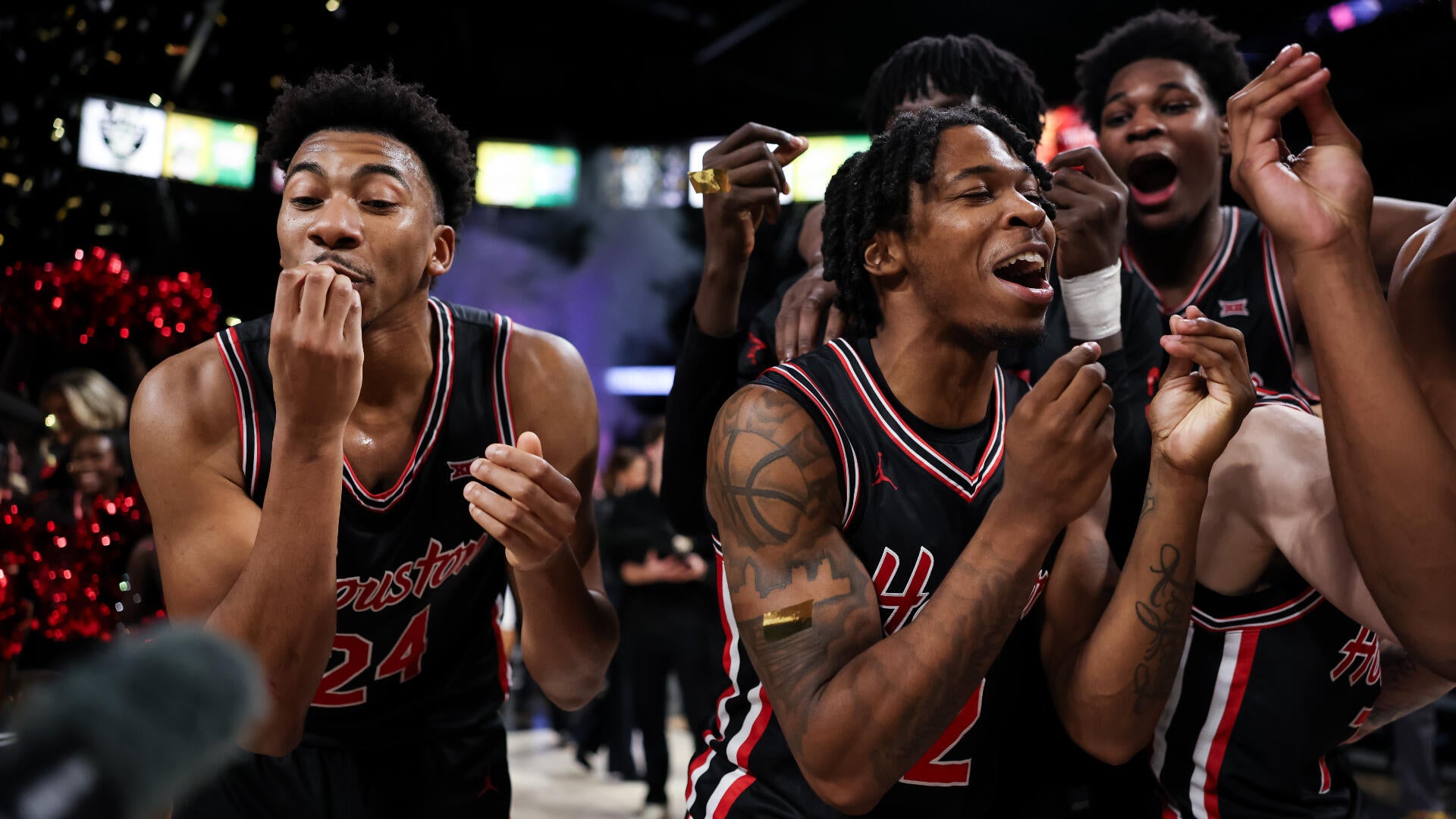
In a decisive turn of events for the 2023-2024 college basketball season, the Associated Press Top 25 poll has been reshuffled, placing the Houston Cougars at the summit of the national rankings. This marks the first instance this season where the No. 1 position has changed hands, breaking a long-standing hold by previous frontrunners. The move reflects a consensus among the AP voters that Houston’s sustained performance and defensive prowess have earned them the top seed, displacing teams that had previously occupied the lead.
The geographic and competitive context of this shift is notable, as Houston’s rise occurs against a backdrop of instability among traditional elite programs. While Houston climbs, the Duke Blue Devils have suffered a steep decline in their ranking, signaling a loss of confidence among voters regarding their current trajectory. Simultaneously, the Michigan Wolverines have been dropped from the poll altogether, a stark indicator of their recent struggles and the volatility of the current collegiate landscape.
Initial reactions to the poll reflect a broader acknowledgment of the changing tides in college basketball. While no specific individual quotes are available in the immediate wire signal, the collective action of the AP voters serves as the primary institutional declaration. The ranking change is not merely a numerical adjustment but a statement on the relative merit of teams based on recent results, forcing the displaced programs to respond to the diminished status in the national conversation.
In-Depth Analysis & Key Details
The historical context of this ranking shift highlights a recurring theme in college basketball: the erosion of historical advantage in the face of modern tactical evolution. For decades, programs like Duke and Michigan have relied on brand recognition and recruiting depth to maintain high rankings, even during periods of inconsistency. However, the current polling cycle suggests that voters are increasingly prioritizing tangible defensive metrics and win consistency over legacy status, a trend that has accelerated in recent years as mid-major programs have closed the gap in talent and coaching quality.
Competing perspectives on this shift reveal a tension between traditional power bases and emerging challengers. Industry analysts observe that the drop of Michigan from the poll is particularly telling, as it represents a complete loss of momentum that is difficult to recover from in the short term. In contrast, Houston’s rise is seen as a validation of their strategic approach, which emphasizes defensive efficiency and limiting opponent scoring. This divergence in tactical philosophy is driving the current realignment, with teams that can control the pace of the game gaining significant polling advantages.
From a regulatory and structural standpoint, the AP poll remains the primary metric for seeding in the NCAA Tournament, making these shifts consequential for postseason positioning. The volatility seen in this week’s poll underscores the high stakes of the regular season, where a single loss or a string of subpar performances can result in a dramatic reevaluation of a team’s national standing. This dynamic forces programs to maintain peak performance throughout the season, rather than relying on late-season surges to secure favorable seeding.
"The AP poll no longer rewards legacy; it rewards the relentless, defensive consistency that Houston has demonstrated, leaving traditional powerhouses to explain their sudden irrelevance."
Why This Matters & What Lies Ahead
For fans and stakeholders in college basketball, this ranking shift has immediate implications for the narrative of the season and the potential seeding in the NCAA Tournament. The rise of Houston and the fall of Duke and Michigan alter the landscape of potential matchups, with higher seeds now facing different challenges in the early rounds. This realignment also affects the marketability and attention paid to these programs, as media coverage and fan engagement often follow the top-ranked teams, potentially shifting resources and focus away from the displaced powerhouses.
Looking ahead, the upcoming weeks will be critical for the displaced teams to regain their footing. Michigan, in particular, must address the factors that led to their removal from the poll, while Duke will need to demonstrate stability to halt their downward trend. For Houston, the challenge will be to maintain their No. 1 status and avoid the scrutiny that comes with the top seed. The next few polls will be closely watched to see if this shift is a temporary fluctuation or a permanent realignment of the national power structure.
Source: Reported by CBS Sports · Analyzed & Synthesized by DNB Newsroom