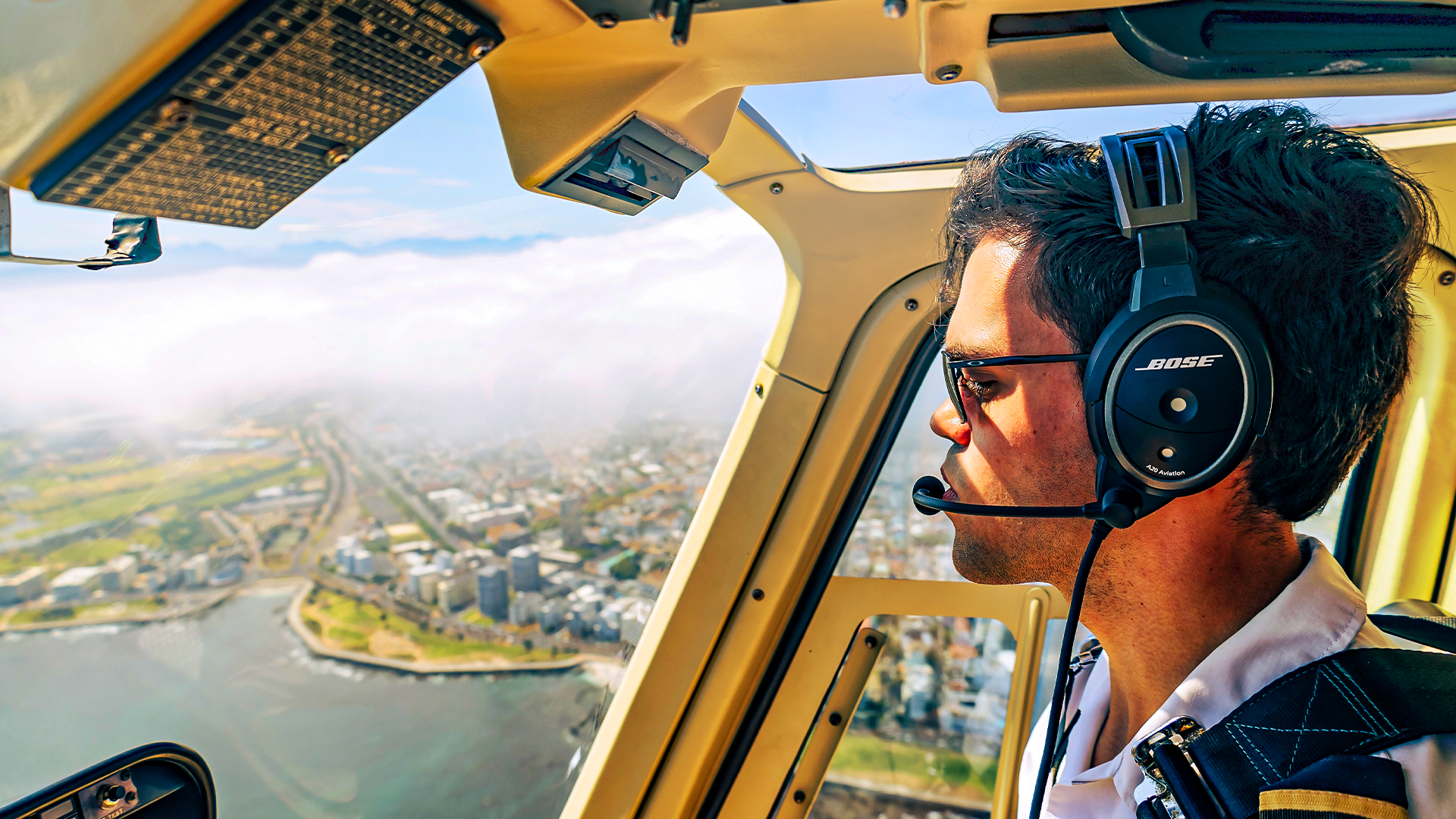
Commercial helicopter pilots earned a median salary of $123,220 in 2026, a figure that sits just over half of the median $232,140 earned by airline pilots, according to the U.S. Bureau of Labor Statistics. The data, released in early September, underscores a persistent wage divide that has deepened over the past decade. While airline pilots command higher pay due to longer flight schedules, larger aircraft, and stricter regulatory oversight, helicopter pilots often operate in more localized, specialized roles.
The disparity is most pronounced in urban centers where helicopter services support emergency medical transport, corporate charters, and offshore oil operations. In cities like Houston, Los Angeles, and New York, helicopter pilots report average earnings that hover between $110,000 and $140,000, whereas airline pilots in the same regions average around $250,000. The wage gap also varies by region, with the Midwest and Northeast showing slightly higher helicopter pay relative to the national median.
In response to the findings, the National Helicopter Association released a statement urging airlines and regulatory bodies to consider revising compensation frameworks to reflect the evolving demands of the aviation market. Airline industry groups, meanwhile, emphasize that the higher pay is justified by the extensive training, higher operating costs, and greater safety responsibilities inherent to commercial airliners.
In-Depth Analysis & Key Details
The wage gap between helicopter and airline pilots can be traced back to the distinct regulatory landscapes that govern each sector. While the Federal Aviation Administration imposes rigorous certification and maintenance standards on commercial airlines, helicopter operators often fall under less stringent rules, allowing for lower operating costs but also limiting compensation potential.
Economic forces also play a pivotal role. Airline pilots benefit from a globalized market, union negotiations, and a larger passenger base, all of which contribute to higher salaries. Conversely, helicopter pilots typically serve niche markets—such as medical transport, offshore logistics, and tourism—where revenue streams are more volatile and capacity constraints are tighter.
Experts note that the divergence in pay may have long-term implications for workforce sustainability. Aviation analysts warn that if helicopter pilots remain undercompensated relative to their airline counterparts, the industry could face a talent drain, leading to increased operational risks and higher costs for emergency services that rely on rotorcraft.
"The stark pay gap between helicopter and airline pilots signals a broader challenge: aligning compensation with evolving market demands to ensure safety, service quality, and workforce resilience."
Why This Matters & What Lies Ahead
For everyday readers, the wage disparity directly affects the availability and reliability of essential services such as medical evacuations and offshore logistics, which rely heavily on helicopter pilots. A sustained pay gap could prompt a shortage of qualified pilots, potentially delaying critical transport and increasing costs for both private operators and government agencies.
Looking ahead, industry stakeholders will monitor upcoming legislative proposals aimed at revising aviation wage standards, as well as the outcomes of the Federal Aviation Administration’s 2027 safety audit. A key milestone to watch is the scheduled congressional hearing on aviation labor practices in November, where policymakers will evaluate whether current compensation structures adequately reflect the risks and responsibilities of helicopter pilots.
Source: Reported by Simple Flying · Analyzed & Synthesized by DNB Newsroom