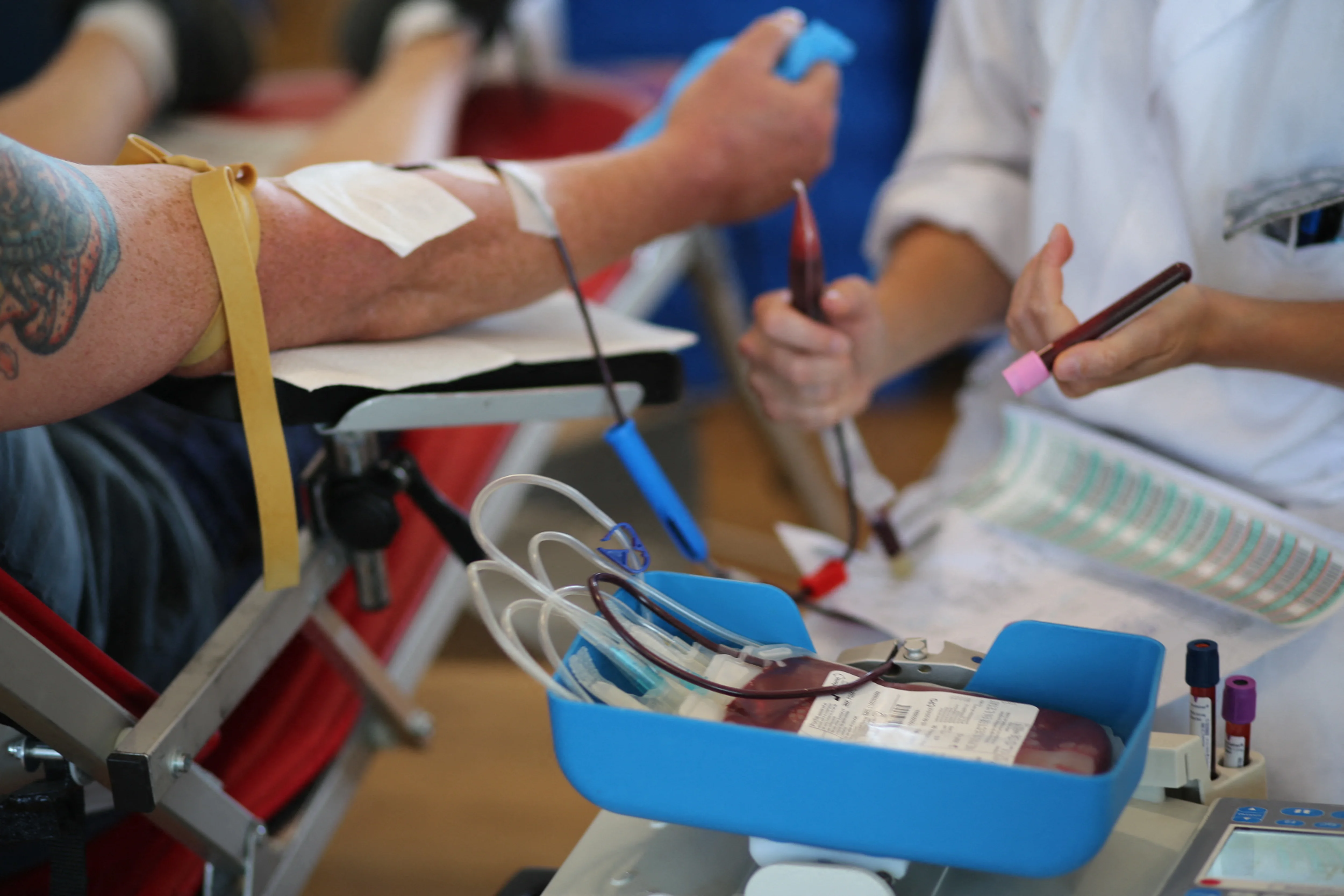
In a stark warning to the global medical community, a prominent healthcare information-sharing and analysis center (H-ISAC) has alerted its extensive network of hospitals, laboratories, and distribution centers to fortify their defenses against a new vector of cyber intrusion. The advisory follows a confirmed cyberattack on a major blood bank in France, where malicious actors gained unauthorized access to the facility’s cold storage management systems. This development marks a significant escalation in the threat landscape, moving beyond traditional data exfiltration to direct manipulation of physical environmental controls essential for patient safety.
The operational context of this breach is particularly concerning due to the critical nature of the affected infrastructure. Blood banks and vaccine distributors rely on precise, automated temperature monitoring to maintain the viability of biological products. By targeting the cold storage systems, attackers risk not only the integrity of the data but the physical spoilage of inventory, which could lead to the destruction of millions of dollars worth of medical supplies and, more critically, a shortage of life-saving resources. The geographical focus on France highlights the transnational nature of these threats, as attackers often operate from jurisdictions with limited cybersecurity enforcement, targeting high-value targets across Europe and North America.
In its official communication, the intelligence-sharing organization emphasized the need for immediate isolation of Industrial Control Systems (ICS) and Internet of Things (IoT) devices from corporate networks. While no direct statements have been released by the specific French facility due to ongoing forensic investigations, industry insiders confirm that the attack involved zero-day exploits targeting legacy software embedded in refrigeration units. Stakeholders, including major pharmaceutical distributors and hospital administrators, have begun implementing emergency patching protocols and reviewing access logs to ensure similar vulnerabilities are not present in their own operations.
In-Depth Analysis & Key Details
This incident is not an isolated anomaly but rather a symptomatic manifestation of the long-standing tension between rapid technological adoption in healthcare and lagging security infrastructure. The healthcare sector has aggressively integrated IoT devices for efficiency and patient care, yet many of these devices, particularly those in cold chain logistics, were designed with connectivity in mind rather than security. The historical background reveals that while hospitals have invested heavily in securing electronic health records (EHRs), the peripheral infrastructure—such as HVAC systems, refrigerators, and automated dispensing cabinets—has often been treated as low-priority, low-risk assets. This structural blind spot has now been exploited by sophisticated state-sponsored and criminal cyber groups.
From a regulatory and economic perspective, this breach forces a re-evaluation of liability and compliance standards. Currently, many cybersecurity regulations focus primarily on data privacy and protection, with less emphasis on operational technology (OT) security. The potential economic consequences of a widespread cold chain failure are staggering; the loss of a single shipment of specialized vaccines or blood products can have cascading effects on regional health systems. Competing perspectives exist within the industry: some argue for mandatory hardware-based security standards for all medical IoT devices, while others contend that such requirements would be prohibitively expensive and slow down innovation. The debate is further complicated by the global supply chain, where components for these devices are sourced from various countries, each with different security protocols.
Expert analysis suggests that the technical intricacies of this attack likely involved lateral movement, where initial access was gained through a less secure endpoint, such as a vendor’s remote access portal, before pivoting to the critical cold storage systems. This highlights the importance of network segmentation and continuous monitoring. Furthermore, the incident underscores the need for a unified incident response framework across the healthcare sector, where intelligence sharing is not just about data breaches but also about physical system compromises. The complexity of modern medical infrastructure makes it a prime target for attackers seeking maximum disruption with minimal effort.
"The threat to healthcare is no longer just about stealing data; it is about compromising the physical environment that sustains life, turning cold storage units into potential vectors for public health crises."
Why This Matters & What Lies Ahead
For everyday citizens, this incident represents a tangible threat to the availability and safety of essential medical treatments. If cold chain systems are compromised, it could lead to shortages of blood products for surgeries, vaccines for preventable diseases, and specialized medications for chronic conditions. The financial markets are also likely to react, with insurance premiums for healthcare facilities potentially rising as insurers reassess the risk profile of operational technology vulnerabilities. Additionally, the incident may prompt legislative action, with lawmakers considering stricter mandates for cybersecurity in critical infrastructure, including the healthcare sector.
Upcoming milestones to monitor include the release of detailed forensic reports from the French incident, which may reveal the specific attack vectors used. Regulatory bodies, such as the FDA in the United States and the European Medicines Agency (EMA), are expected to issue guidance on securing medical IoT devices. Furthermore, industry conferences and cybersecurity summits in the coming months are likely to feature dedicated panels on healthcare operational technology security, where new standards and best practices may be proposed. Stakeholders should closely watch for any updates from the H-ISAC and other intelligence-sharing groups, as these will provide critical insights into the evolving threat landscape and necessary defensive measures.
Source: Reported by NPR · Analyzed & Synthesized by DNB Newsroom