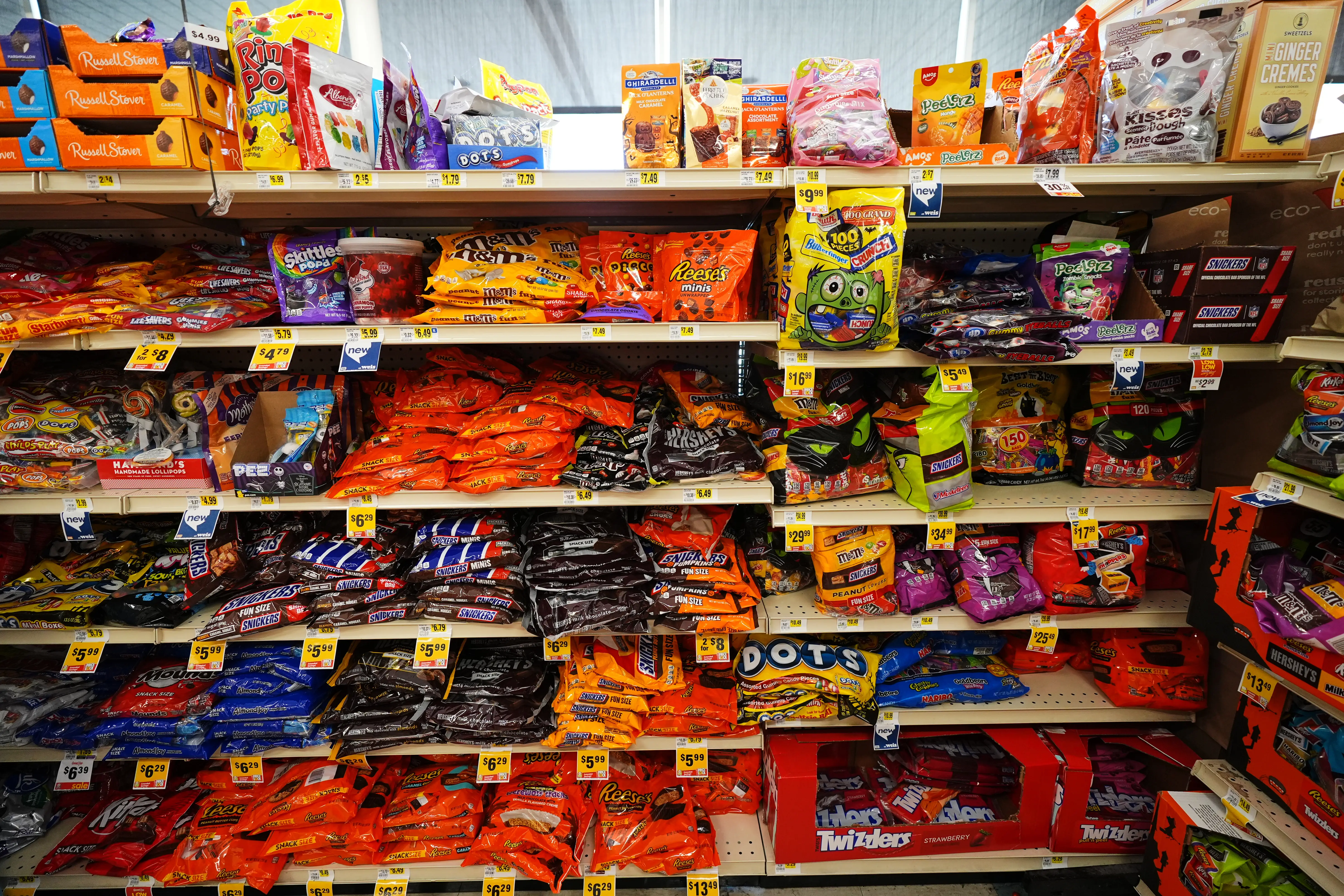
The Labor Department’s latest consumer‑price report shows candy and gum prices up 7.7% year‑over‑year, marking the steepest jump for the category in over a decade. Retail chains and independent stores alike are bracing for tighter margins as they stock shelves for the October holiday.
Families planning trick‑or‑treat outings are already adjusting budgets, with many opting for bulk purchases or alternative treats to offset the rising expense.
In-Depth Analysis & Key Details
The price surge stems from a confluence of higher commodity costs—particularly sugar and cocoa—tightened labor markets, and increased freight rates that have lifted the baseline cost of confectionery production. These macro‑economic forces have filtered down to the consumer, inflating the price tag on even the smallest candy bars.
Industry spokespeople argue that the jump is a temporary blip tied to supply‑chain disruptions, while consumer‑advocacy groups warn that persistent price pressure could erode participation in a culturally significant holiday, especially among lower‑income households.
"The candy price jump signals that even seasonal indulgences are feeling the weight of lingering inflation."
Why This Matters & What Lies Ahead
Higher candy costs directly affect household disposable income, forcing parents to make trade‑offs between holiday fun and other essential expenses. The trend also provides an early indicator of how inflationary pressures may shape broader consumer spending patterns.
Retailers will roll out holiday promotions in the coming weeks, and the next Consumer Price Index release will be watched closely for signs that confectionery price growth is stabilising or accelerating, influencing both market forecasts and potential policy responses.
Source: Reported by NPR · Analyzed & Synthesized by DNB Newsroom