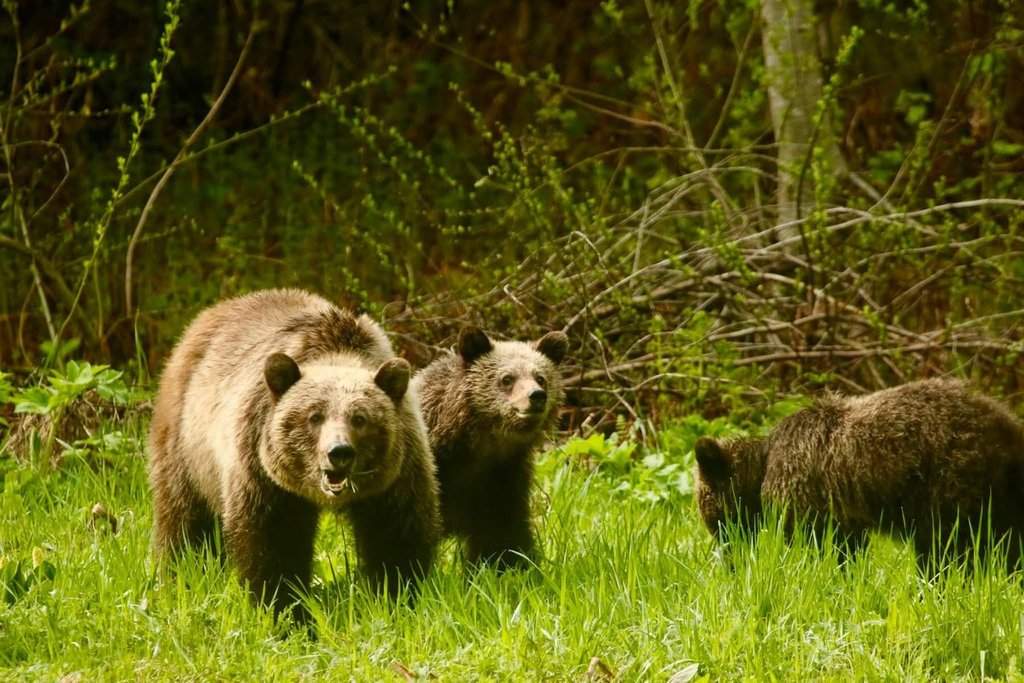
On the afternoon of July 12, 2024, a lone hiker venturing near the Bella Coola River was suddenly confronted by a large male grizzly bear, resulting in a fatal mauling that sent shockwaves through the remote coastal community. The Royal Canadian Mounted Police, acting as first responders, secured the scene and coordinated with the BC Ministry of Forests and the Bella Coola First Nations leadership to initiate a full‑scale inquiry.
The incident unfolded on a poorly marked segment of the Bella Coola Trail, a popular route that skirts dense old‑growth forest and provides access to traditional fishing sites. Witnesses reported hearing a sudden roar followed by a frantic scramble, but the rugged terrain hampered immediate rescue efforts, forcing responders to rely on aerial support to retrieve the victim’s remains.
In the wake of the tragedy, provincial officials released a statement emphasizing “the urgent need to reassess human‑wildlife coexistence strategies.” The Ministry pledged additional resources for bear‑awareness campaigns, while the local Indigenous council called for a culturally informed review of land‑use policies that respect both safety and traditional stewardship.
In-Depth Analysis & Key Details
Grizzly bears have inhabited the coastal ranges of British Columbia for millennia, yet the past decade has seen a measurable uptick in human‑bear encounters as tourism and backcountry recreation expand into previously undisturbed habitats. Historical data from the BC Ministry of Environment indicates a 27 % rise in reported sightings between 2015 and 2023, a trend attributed to both habitat encroachment and climate‑driven shifts in food availability.
Regulatory frameworks governing trail maintenance and wildlife management are fragmented among provincial agencies, municipal bodies, and Indigenous governments, creating gaps that can delay rapid response to emerging risks. Critics argue that the current permitting system for trail upgrades lacks a mandatory risk‑assessment component, while industry groups warn that overly restrictive measures could cripple the region’s burgeoning eco‑tourism sector.
Experts from the University of British Columbia’s Wildlife Conservation Lab stress that grizzly behavior is highly context‑dependent; bears that have become habituated to human food sources are more likely to exhibit aggressive defensive actions. They recommend integrating real‑time monitoring technologies—such as motion‑activated cameras and GPS collars—into a province‑wide alert network, a proposal that aligns with recent federal funding opportunities for Indigenous‑led conservation initiatives.
"We cannot afford to treat these tragedies as isolated incidents; they are a symptom of a deeper disconnect between expanding human footprints and the ecological realities of our grizzly populations."
Why This Matters & What Lies Ahead
For residents and visitors alike, the fatal attack underscores the immediate need for clearer safety guidelines, better trail signage, and robust education on bear avoidance tactics. The incident also threatens to dampen tourism revenue in Bella Coola, a community that relies heavily on outdoor recreation to sustain local businesses and Indigenous cultural enterprises.
Looking ahead, a provincial‑wide task force is slated to convene in early 2025 to draft a comprehensive wildlife‑human interaction policy, with the first public hearing scheduled for March 2025. Parallel to this, the RCMP’s ongoing investigation will determine whether procedural shortcomings contributed to the fatality, potentially prompting legislative amendments to trail‑management statutes and funding allocations for emergency response infrastructure.
Source: Reported by CBC British Columbia · Analyzed & Synthesized by DNB Newsroom