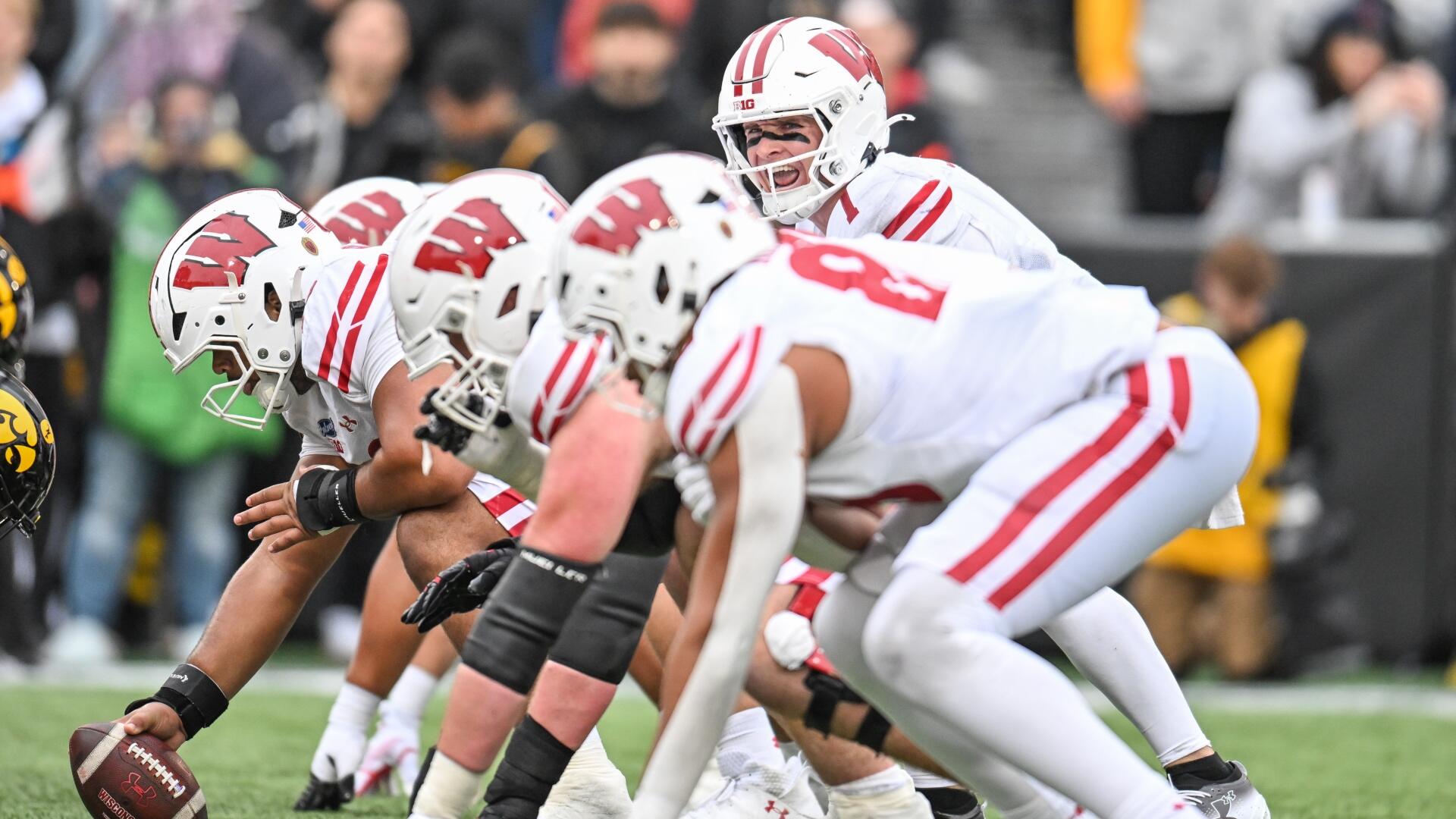
The University of Minnesota Gophers and the University of Wisconsin Badgers prepare to meet on the field for a pivotal Friday night contest, a fixture that has long defined the competitive landscape of the Big Ten Conference. This matchup, designated as part of Rivalry Week, underscores the intense regional animosity and athletic rivalry that characterizes the relationship between the two Minnesota-based institutions. As the 2026 college football season progresses, this game stands out as a non-negotiable fixture for fans and analysts alike, demanding a high level of performance from both rosters.
The operational context of the game is shaped by the logistical and promotional efforts surrounding Rivalry Week, a conference-wide initiative designed to amplify the significance of in-state and cross-border matchups. This specific designation allows for enhanced broadcast coverage, increased ticket sales, and heightened community engagement, transforming a standard conference game into a major sporting event. The Friday night slot further amplifies the spectacle, aligning the game with prime-time viewing windows and maximizing the potential for a large television audience.
Official statements from both athletic departments emphasize the importance of this rivalry, highlighting the deep historical roots and the competitive intensity that defines the Gopher-Badger dynamic. Coaching staffs have indicated that preparation for this game requires a distinct strategic approach, focusing on the unique physical and psychological demands of facing a direct regional rival. Stakeholders, including alumni associations and local business partners, are also mobilizing to support the teams, recognizing the economic and social impact of such high-profile sporting events.
In-Depth Analysis & Key Details
The historical background of the Minnesota-Wisconsin rivalry is deeply entrenched in the cultural and athletic identity of the Upper Midwest. This rivalry dates back to the early 20th century and has evolved into one of the most fiercely contested in college football. The structural forces at play include the shared geographic proximity, which fosters a unique level of fan engagement and community involvement, as well as the competitive balance that has characterized the two programs over the decades. This history provides a rich context for understanding the current stakes and the emotional investment of the fan bases.
Competing perspectives on the matchup often revolve around the relative strengths and weaknesses of each team's roster and coaching staff. Industry analysts observe that the betting odds reflect a cautious optimism for both sides, indicating a belief in a closely contested affair. The regulatory and economic consequences of such rivalries are significant, with ticket sales, merchandise, and broadcast rights contributing substantially to the financial health of both athletic programs. The debate often centers on which team has the edge in key positions, such as the quarterback or the defensive line, and how these factors might influence the outcome.
Expert domain context suggests that the technical intricacies of the game, including offensive schemes and defensive adjustments, will be critical in determining the winner. The physicality of the game, exacerbated by the regional rivalry, often leads to a higher number of penalties and turnovers, which can swing the momentum in either direction. The psychological aspect of the rivalry, with its emphasis on pride and regional dominance, adds an additional layer of complexity that must be managed by the coaching staffs. This deep dive into the technical and psychological elements provides a comprehensive understanding of the factors that will influence the game's outcome.
"In Rivalry Week, the score is secondary to the significance of the contest; this is a battle for regional pride that transcends the regular season."
Why This Matters & What Lies Ahead
The direct impact on everyday readers and the broader public is substantial, as this game serves as a cultural touchstone for the communities of Minnesota and Wisconsin. The economic ripple effects are also notable, with local businesses benefiting from increased foot traffic and spending during the game. For public policy, the success of such events highlights the importance of supporting collegiate athletics as a driver of community engagement and economic development. The game also serves as a platform for promoting regional identity and pride, fostering a sense of unity among fans and residents.
Upcoming milestones to watch include the post-game analysis and the subsequent scheduling of other Big Ten rivals, which will further define the competitive landscape for the remainder of the season. Regulatory votes and conference meetings may also address the implications of Rivalry Week for future scheduling and broadcast agreements. These events will be crucial in determining the long-term sustainability and growth of the conference's flagship matchups. Monitoring these developments will provide insight into the strategic direction of the Big Ten and its commitment to enhancing the college football experience.
Source: Reported by CBS Sports · Analyzed & Synthesized by DNB Newsroom