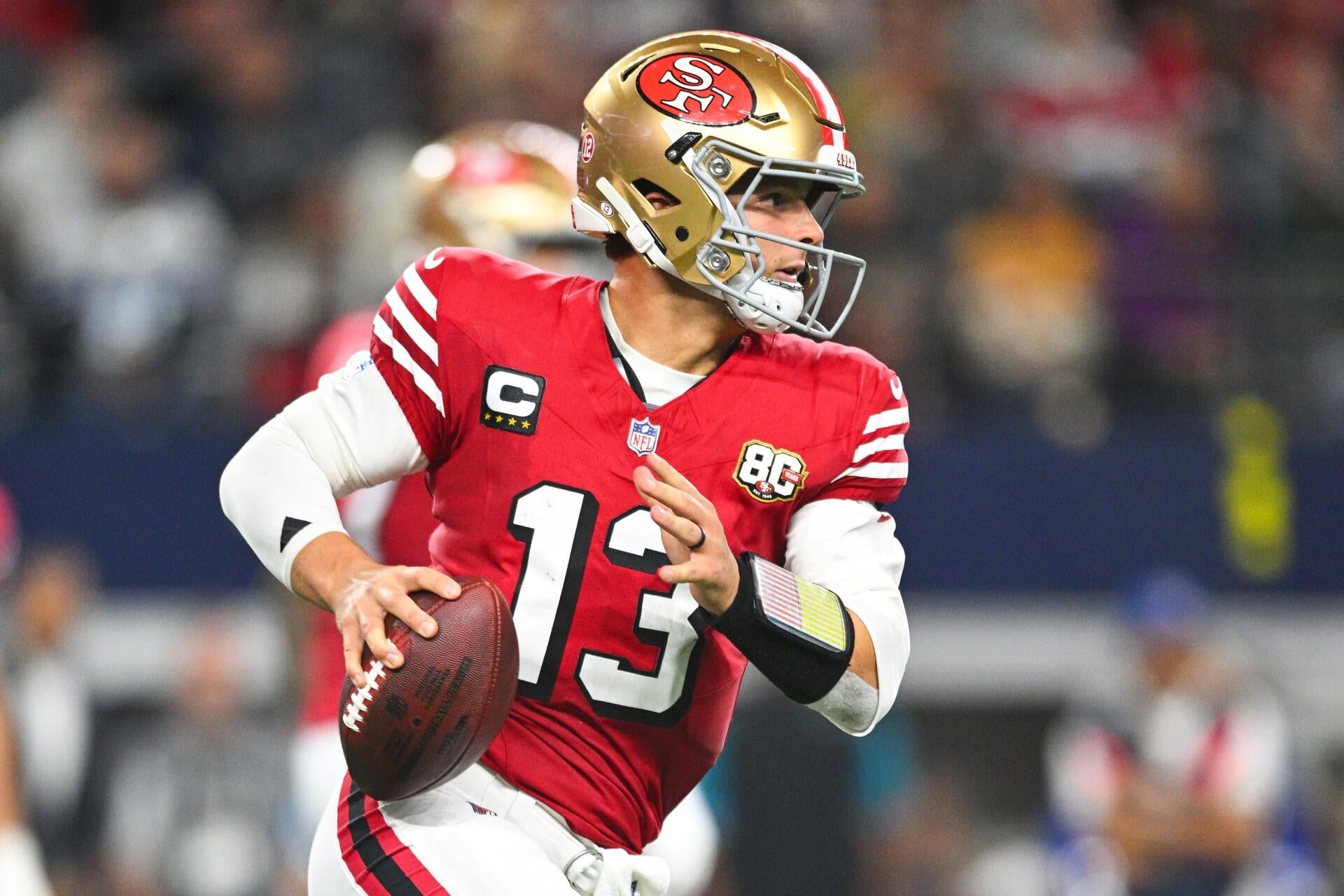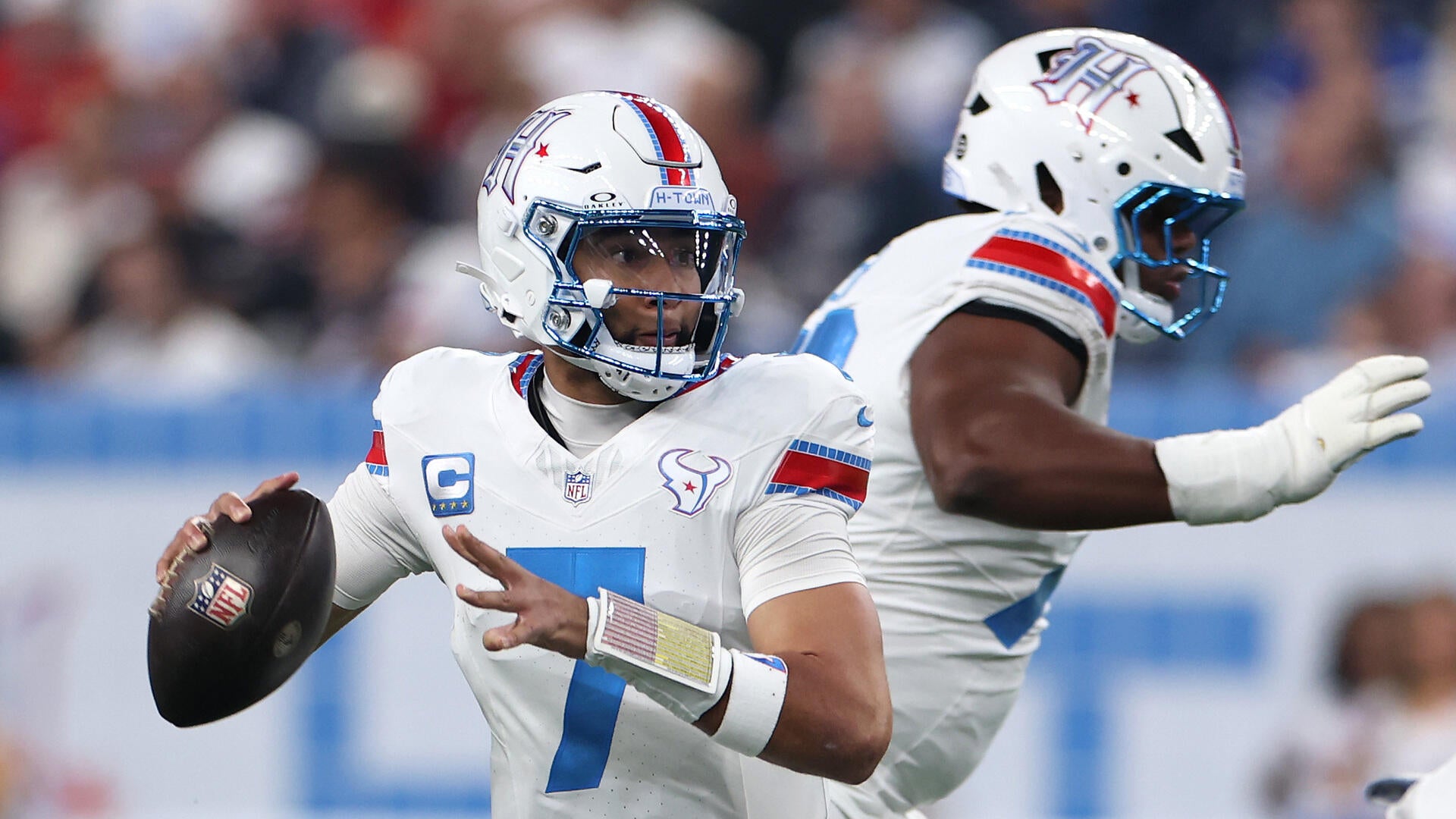
The quarterback landscape for fantasy football has undergone a dramatic contraction heading into Week 12, with Jared Goff standing out as the unequivocal anchor for all lineups. This consensus recommendation stems from a rare alignment of factors that have simultaneously sidelined or benched multiple high-profile starters, leaving Goff as the only option with both high floor and elite ceiling. The move to start Goff in every single lineup signals a significant departure from the usual tiered approach to quarterback selection, indicating a lack of viable alternatives in the immediate tier above him.
The operational context for this decision is driven by a wave of physical and strategic disruptions across the NFL. Injuries have removed several key signal-callers from the field, while other teams have opted to rest their starters in preparation for the Thanksgiving slate. This dual pressure has thinned the pool of reliable options, creating a vacuum that Goff is uniquely positioned to fill. For managers, this means the decision is not about finding a better option, but rather confirming the absence of one, making Goff the default choice regardless of specific matchup nuances.
In response to this shifting dynamic, fantasy analysts and editorial boards have issued clear directives to prioritize Goff's stability over the higher-variance options that remain available. While the narrative focuses on Goff, the secondary tier is also undergoing a re-evaluation, with Deshaun Watson and Geno Smith rising in prominence. These players are now being framed not just as backups, but as primary top-12 targets for Superflex formats, reflecting the compressed nature of the available talent pool and the necessity for managers to maximize value from a narrowed selection set.
In-Depth Analysis & Key Details
Historically, the late regular season in fantasy football is characterized by the emergence of backup quarterbacks and the strategic resting of starters, but the scale of this week’s contraction is notable. The simultaneous impact of injuries and benchings has created a structural imbalance in the quarterback market, where the standard deviation of performance among available options has increased. This phenomenon forces a re-examination of risk management strategies, as the traditional reliance on a deep bench of viable starters is compromised by the sudden unavailability of key personnel. The historical pattern suggests that such weeks often lead to significant volatility in fantasy standings, as managers who fail to adapt to the reduced pool of options find themselves at a distinct disadvantage.
From a competitive standpoint, the rise of Deshaun Watson and Geno Smith to top-12 status illustrates the fluid nature of fantasy value in the face of external disruptions. These players benefit from a vacuum created by the absence of higher-tier competitors, but their inclusion also introduces a layer of uncertainty regarding their playing time and performance consistency. Industry analysts observe that this scenario tests the depth of a manager’s roster and their ability to identify value in less obvious spots. The tension between seeking high-floor options like Goff and taking calculated risks on emerging players like Watson and Smith becomes the central strategic debate for the week.
The technical intricacies of this situation also involve the specific matchups and game scripts that may favor certain quarterbacks. While Goff’s recommendation is based on broad reliability, the viability of Watson and Smith may be more contingent on specific defensive weaknesses and offensive line performance. This requires a more granular analysis of individual games rather than a blanket approach. The broader implication is that fantasy football is increasingly becoming a game of real-time adaptation, where static roster strategies are less effective than dynamic, week-to-week adjustments based on evolving injury reports and coaching decisions.
"In a week defined by absence, reliability becomes the most valuable currency, turning Jared Goff into the only safe harbor in a turbulent quarterback market."
Why This Matters & What Lies Ahead
For everyday fantasy football participants, this week presents a direct impact on league standings and playoff positioning. The necessity to start Goff in all lineups simplifies the decision-making process for the top tier but complicates the lower tiers, where managers must navigate a pool of higher-risk options. This dynamic can lead to significant score swings, potentially altering the competitive balance in leagues where consistency is key. The financial and social stakes for casual and competitive players alike are heightened by the need to make informed decisions under conditions of reduced information and increased uncertainty.
Looking ahead, the upcoming milestones include the Thanksgiving games, which will further test the depth of the quarterback pool. Managers must monitor injury reports closely in the days leading up to these games, as any additional absences could further skew the available options. The regulatory and strategic implications extend to how teams manage their rosters in the final weeks of the season, with potential impacts on playoff seeding and draft capital in future years. Key dates to watch include the final injury updates before kickoff and the post-game reports that will inform the Week 13 lineup decisions, where the effects of this week’s disruptions may continue to reverberate.
Source: Reported by CBS Sports · Analyzed & Synthesized by DNB Newsroom