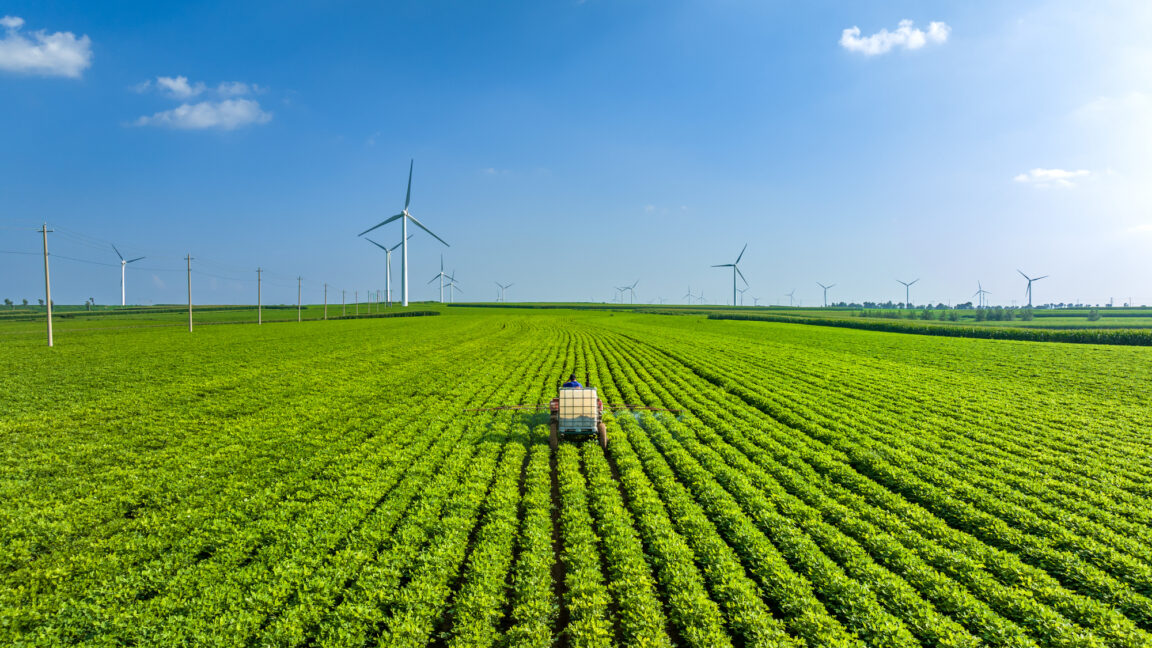
Recent quantitative analyses published in peer-reviewed scientific literature suggest that the global rollout of glucagon-like peptide-1 (GLP-1) receptor agonists may yield an unexpected environmental benefit: a massive reduction in the land footprint of agriculture. As these medications become increasingly accessible and prescribed for weight management and type 2 diabetes, their impact on human caloric intake is poised to alter global agricultural dynamics. The core finding posits that if a significant portion of the population adopts these therapies, the resulting decrease in food consumption could spare vast tracts of land from being converted for farming purposes.
The geographical scale of this potential impact is substantial. Researchers estimate that the reduction in food demand could free up agricultural land equivalent to the total surface area of Italy. This land, currently under pressure to expand to meet rising global food needs, could potentially be returned to natural ecosystems, reforested, or utilized for renewable energy projects. The shift would primarily affect regions where agricultural expansion is currently encroaching upon forests and grasslands, particularly in the tropics and subtropics, where biodiversity hotspots are most vulnerable to land-use change.
While pharmaceutical companies have primarily marketed GLP-1 drugs for metabolic health benefits, this new line of inquiry highlights a systemic consequence of their use. Environmental advocates and public health officials are beginning to take note of this dual benefit, arguing that addressing obesity through pharmacological means could serve as a lever for environmental conservation. However, the realization of this benefit depends heavily on the speed of adoption, the long-term efficacy of the drugs, and global equity in access to these treatments.
In-Depth Analysis & Key Details
The historical context of agricultural expansion reveals a direct correlation between population growth, rising incomes, and the conversion of natural land into cropland and pasture. As global diets shift toward higher protein and caloric density, the demand for land-intensive products such as beef and dairy has accelerated deforestation in critical regions. The introduction of GLP-1 drugs introduces a new variable into this equation: a pharmacological mechanism that can reduce caloric intake without requiring immediate, drastic dietary lifestyle changes. This represents a structural shift in how society might manage the tension between human health needs and planetary boundaries.
Competing perspectives emerge regarding the sustainability and scalability of this environmental payoff. Critics argue that relying on pharmaceuticals to solve environmental issues is a form of 'techno-optimism' that distracts from necessary systemic changes in food production and consumption patterns. They point out that the environmental cost of manufacturing and distributing these drugs, as well as the potential for rebound effects (where individuals consume more of other goods), must be carefully weighed. Furthermore, there is a significant equity concern: if GLP-1 drugs remain accessible only to wealthy nations, the environmental benefits will be unevenly distributed, potentially exacerbating global inequalities in both health and environmental justice.
Expert domain context suggests that the net environmental impact will depend on the specific composition of the diets displaced by reduced caloric intake. If the reduction primarily spares land used for ruminant livestock, the climate benefits will be substantial due to the high methane emissions associated with cattle farming. However, if the freed-up land is immediately repurposed for other intensive agricultural uses or industrial development, the net benefit could be diminished. Regulatory bodies and international climate frameworks are currently not structured to account for such indirect health-environment linkages, creating a gap in policy that may need to be addressed in upcoming climate negotiations.
"The intersection of metabolic health and planetary boundaries suggests that the fight against obesity may be one of the most underappreciated levers in the global climate strategy."
Why This Matters & What Lies Ahead
For everyday readers and global supply chains, this development signals a potential decoupling of population growth from land-use change. If the projected reductions in food demand materialize, it could alleviate pressure on food prices and reduce the environmental degradation associated with agricultural expansion. For public policy, it underscores the need for integrated approaches that consider the environmental externalities of health interventions. Governments and international bodies may need to re-evaluate how they support obesity treatment programs, recognizing their potential contribution to national and global climate goals.
Upcoming milestones to monitor include the expansion of GLP-1 drug availability in developing nations, where land-use change is most acute. Regulatory agencies will likely face pressure to incorporate environmental impact assessments into the approval and subsidization processes for these medications. Additionally, climate scientists and agricultural economists will be watching for real-world data on food demand trends over the next five to ten years to validate these models. The outcome of these trends could influence future land-use policies and conservation efforts in key agricultural regions.
Source: Reported by Ars Technica · Analyzed & Synthesized by DNB Newsroom


