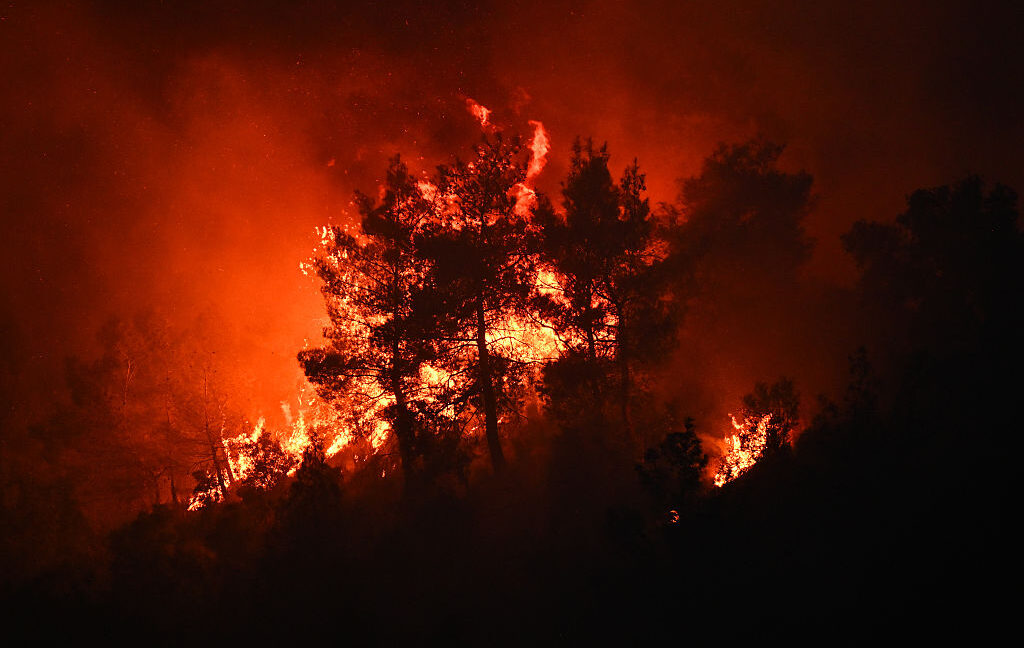
Recent satellite-derived data and ground-based monitoring systems have confirmed a distinct dip in global fire activity coinciding with the strictest phases of the 2020-2021 pandemic lockdowns. The analysis, derived from multi-source environmental datasets, quantifies this reduction at 12.3 percent, a figure that stands out against the general long-term trend of increasing fire frequency due to climate change. This finding underscores the profound influence of human behavior on environmental hazards, even during a global health crisis.
The geographical distribution of this decline was not uniform. Regions heavily reliant on manual agricultural practices and informal waste management saw the most significant drops in fire counts. Conversely, areas prone to lightning-ignited wildfires in remote, sparsely populated zones showed minimal change, reinforcing the distinction between naturally driven and human-induced fire events. This spatial variation provides crucial data for refining global fire risk models.
Environmental agencies and research institutions have begun integrating these findings into broader climate impact assessments. While the pandemic was an unprecedented disruptor, the data serves as a clear indicator that human activity is a primary driver of global fire regimes. Stakeholders in emergency management and climate policy are now examining these figures to understand how rapid societal changes can influence environmental stability.
In-Depth Analysis & Key Details
Historically, global fire activity has been expanding due to a combination of rising temperatures, prolonged droughts, and increased human encroachment into fire-prone landscapes. The 12.3 percent drop observed during the pandemic offers a rare counterpoint to this trend, isolating the variable of human activity from climatic factors. This natural experiment allows scientists to quantify the specific contribution of anthropogenic ignition sources to the global fire burden, a metric that has been difficult to separate from climate-driven increases in previous studies.
From a regulatory and economic perspective, this data challenges the assumption that fire risk is solely a function of climate change. It suggests that targeted reductions in human-induced ignition sources could yield immediate, measurable benefits in reducing fire damage and carbon emissions. However, industry analysts note that the economic costs of prolonged lockdowns far outweighed the environmental benefits of reduced fire activity, highlighting the complex trade-offs involved in public health and environmental policy.
Expert domain context indicates that the reduction in fires likely led to a temporary decrease in particulate matter emissions and carbon dioxide release from biomass burning. This has implications for air quality models and climate feedback loops. Researchers are now investigating whether similar, albeit smaller, reductions in fire activity can be achieved through sustained changes in agricultural practices and waste management policies, without the need for extreme economic disruption.
"The pandemic’s global pause provided an unintended but invaluable experiment, revealing that human activity is a dominant, and modifiable, driver of the world’s fire regimes."
Why This Matters & What Lies Ahead
For everyday citizens and global supply chains, this data underscores the vulnerability of agricultural and forestry sectors to both climate change and human-induced fire risks. It suggests that long-term strategies to mitigate fire damage must address human behavior and land-use practices, not just climate mitigation. This has direct implications for insurance markets, agricultural planning, and public health policies related to air quality.
Policymakers and international bodies should monitor upcoming climate conferences and environmental policy debates for discussions on integrating fire management into broader climate action plans. Specific milestones to watch include the release of updated Global Fire Data reports by major environmental agencies and potential legislative proposals aimed at reducing anthropogenic ignition sources in high-risk regions. These developments will be critical in shaping the next decade of global environmental strategy.
Source: Reported by Ars Technica · Analyzed & Synthesized by DNB Newsroom


