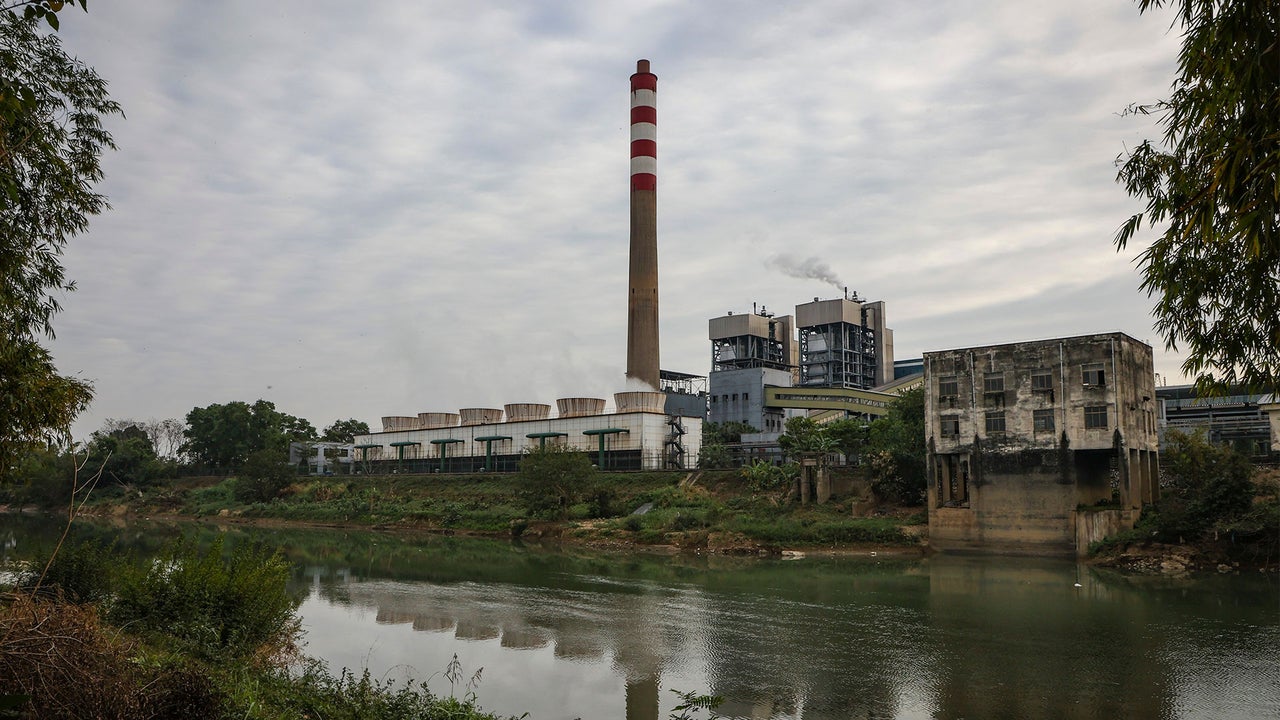
At the current United Nations climate talks, a significant strategic pivot has emerged as delegates confront the physical limitations of existing electrical infrastructure. The central debate has moved beyond the procurement of wind turbines and solar panels to the foundational challenge of transmission and distribution. Officials from various member states have acknowledged that without substantial upgrades to aging grid systems, the rapid expansion of renewable energy sources will be inefficient and potentially destabilizing to national power supplies.
The operational context of this issue is global but particularly acute in regions with rapidly growing renewable capacity but underfunded grid maintenance. In many parts of the world, the electrical grid was designed for a centralized, fossil-fuel-heavy model where power flowed in one direction from large plants to consumers. The modern reality of distributed, variable renewable generation requires a more flexible, bidirectional, and resilient network. The inability of these older systems to absorb surges of clean energy results in wasted potential and forces grid operators to keep fossil fuel plants online as backup, undermining the environmental benefits of the new installations.
Senior diplomats and energy ministers have issued statements emphasizing that climate policy must now be inseparable from infrastructure policy. They argue that financing mechanisms for climate action must explicitly include grid modernization, not just generation projects. Stakeholders from the energy sector have responded by highlighting the technical complexity of these upgrades, noting that permitting, land acquisition, and component supply chains for high-voltage transmission lines are often slower and more contentious than the installation of renewable generators themselves.
In-Depth Analysis & Key Details
Historically, climate negotiations have focused heavily on the supply side of the energy equation, incentivizing the construction of new renewable assets through subsidies and carbon pricing. However, this approach has created a mismatch between generation capacity and grid capacity. The structural forces at play reveal a legacy infrastructure problem: most national grids were built decades ago, predating the digital and variable nature of modern renewable energy. This historical inertia means that the physical hardware of the power system is now the limiting factor, not the availability of clean technology.
The regulatory and economic debate centers on the cost and speed of grid modernization. Competing perspectives exist between those who advocate for immediate, large-scale state investment in transmission lines and those who argue for decentralized solutions like battery storage and demand-side management. The economic consequences are significant, as grid upgrades require long-term capital commitments with delayed returns, making them less attractive to private investors compared to renewable generation projects. This tension is driving calls for innovative financing models and public-private partnerships to bridge the investment gap.
From a technical standpoint, the challenge involves integrating advanced grid management systems, such as smart inverters and real-time monitoring, to handle the variability of renewable inputs. Experts note that without these digital enhancements, the physical grid remains vulnerable to instability. The domain context suggests that the next phase of the energy transition will be defined by the efficiency of power flow rather than the volume of power generated, requiring a fundamental rethinking of how electricity is managed and distributed.
"The bottleneck is no longer the turbine or the panel; it is the wire. Until we modernize the grid, the clean energy revolution remains half-built."
Why This Matters & What Lies Ahead
For everyday consumers and businesses, the state of the grid directly impacts energy reliability and costs. If grids cannot efficiently handle renewable energy, the promised benefits of lower emissions and potentially lower long-term energy prices will be delayed. Furthermore, inadequate grid infrastructure can lead to increased frequency of blackouts and brownouts, affecting productivity and quality of life. The legislative implications are profound, as governments may need to expedite permitting processes for transmission projects and allocate public funds specifically for grid resilience, shifting budget priorities away from other sectors.
Key upcoming milestones to monitor include the finalization of national climate plans that explicitly detail grid investment strategies, as well as the launch of new international financing mechanisms dedicated to transmission infrastructure. Investors should watch for regulatory changes that streamline the approval of high-voltage lines and the emergence of new market structures for grid services. The success of these efforts will determine whether the global energy transition can maintain its pace or stall due to physical infrastructure constraints.
Source: Reported by Fast Company · Analyzed & Synthesized by DNB Newsroom