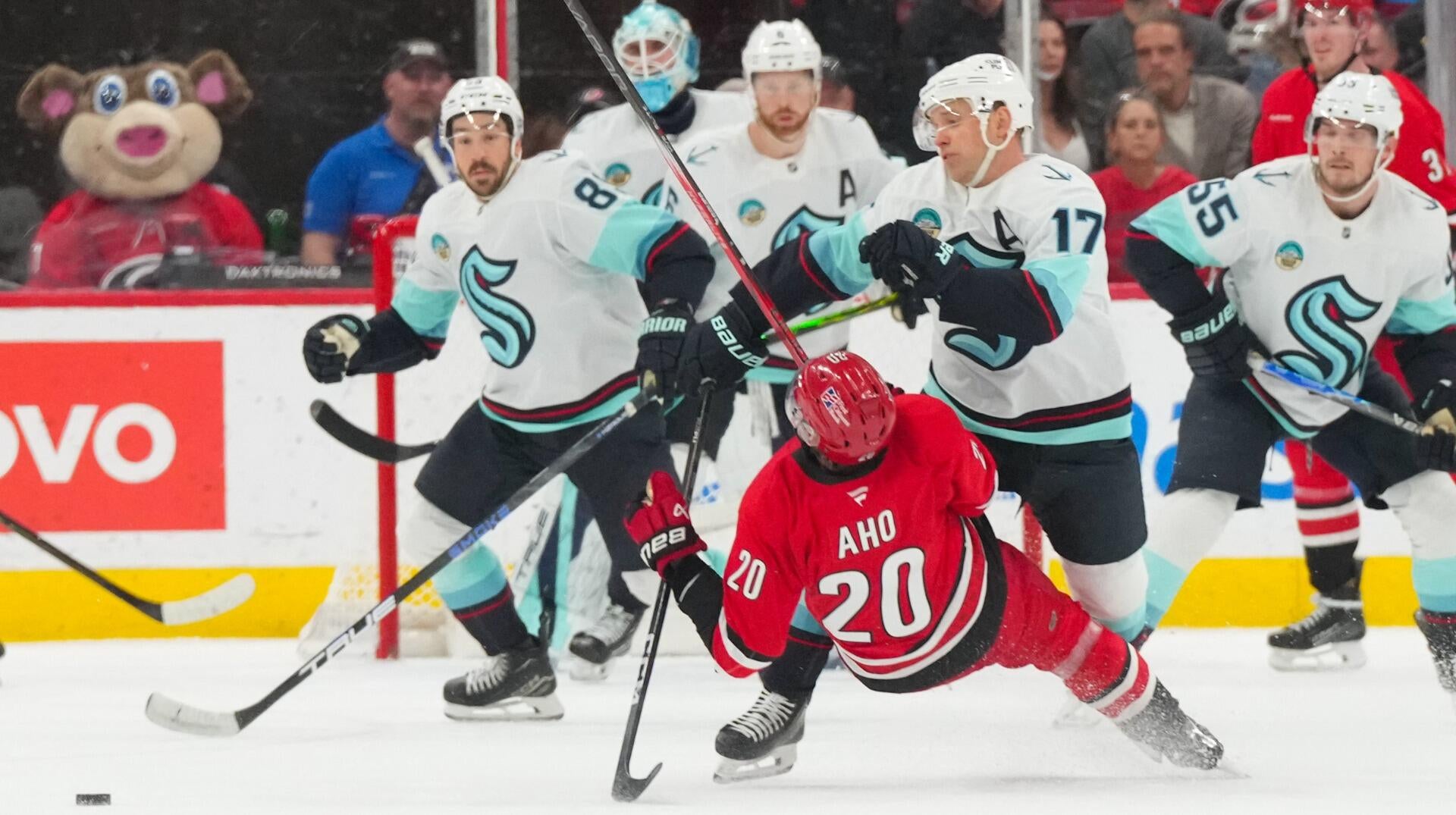
In a decisive move to heighten the competitive atmosphere ahead of their upcoming fixture, the New York Giants have formally called for a 'White Out' at MetLife Stadium. This directive, issued for the Thursday night contest against the Washington Commanders, instructs supporters to don white attire, transforming the stadium into a monochromatic sea of white. The organization’s marketing and communications teams have emphasized this visual unity as a core component of their home-game strategy, aiming to project dominance and cohesion before the first snap is taken.
The geographical and operational context of this decision centers on MetLife Stadium in East Rutherford, New Jersey, a venue renowned for its capacity to amplify crowd noise and visual spectacle. By standardizing the color palette of the fanbase, the Giants seek to minimize visual distractions for their own players while potentially disorienting or pressuring the visiting Commanders. This approach is particularly relevant in Thursday night games, where the absence of the traditional Sunday crowd dynamics can sometimes dampen energy; the White Out serves as a countermeasure to ensure maximum intensity from the opening whistle.
Official communications from the Giants' front office have framed this initiative not merely as a fashion statement, but as a collective effort to support the team in a pivotal moment of the season. Stakeholders within the organization view fan engagement as a direct contributor to on-field performance, with the unified visual front serving as a psychological tool. The Commanders, as the visiting side, will face a hostile environment designed to erode their comfort and focus, marking a significant escalation in the rivalry's theatrical and competitive dimensions.
In-Depth Analysis & Key Details
The historical background of such fan-driven initiatives reveals a long-standing tradition in American football where home teams leverage visual and auditory elements to gain a competitive edge. From the 'Red Sea' at the University of Texas to the 'Blackout' at various NFL venues, the strategic use of color has evolved from a casual fan tradition to a calculated marketing and psychological tactic. The Giants' adoption of a White Out aligns with broader industry trends where teams invest heavily in creating immersive experiences that differentiate their home games from neutral-site or away contests.
Competing perspectives on this strategy often debate the tangible impact of visual uniformity on player performance. While some analysts argue that the psychological effect is marginal compared to coaching and athletic talent, others point to the cumulative stress factors placed on visiting teams. The economic consequences are also notable, as coordinated fan themes drive merchandise sales and increase the perceived value of the ticketing experience. This tension between symbolic gesture and practical advantage is a recurring theme in modern sports management, where the line between entertainment and competition is increasingly blurred.
Industry observers note that the integration of fan behavior into game-day strategy reflects a wider shift in how professional sports organizations approach their brand identity. By curating the visual narrative of the stadium, the Giants are asserting control over the environment in which their team operates. This domain context suggests that future rivalries may see more sophisticated and organized fan directives, turning the crowd into an active participant in the tactical landscape of the game.
"The White Out is not merely a visual spectacle; it is a deliberate psychological maneuver designed to turn the stadium’s atmosphere into a tangible competitive weapon."
Why This Matters & What Lies Ahead
For everyday readers and fans, this initiative transforms the game-day experience from passive observation to active participation, deepening their emotional investment in the team’s success. It also sets a precedent for how other franchises might engage their fanbases, potentially leading to a proliferation of similar themed events across the league. The financial implications extend to local businesses around MetLife Stadium, which may see increased foot traffic and spending as fans prepare for the coordinated event, boosting the local economic ecosystem surrounding the venue.
Upcoming milestones to monitor include the actual execution of the White Out on Thursday night and its subsequent impact on the game’s outcome and media coverage. Analysts will be watching for any official statements from the Washington Commanders regarding how they plan to handle the heightened home-field pressure. Additionally, the success of this initiative could influence future marketing strategies for the Giants, potentially leading to more frequent and elaborate fan engagement campaigns that redefine the standard for NFL home games.
Source: Reported by Yahoo Sports · Analyzed & Synthesized by DNB Newsroom