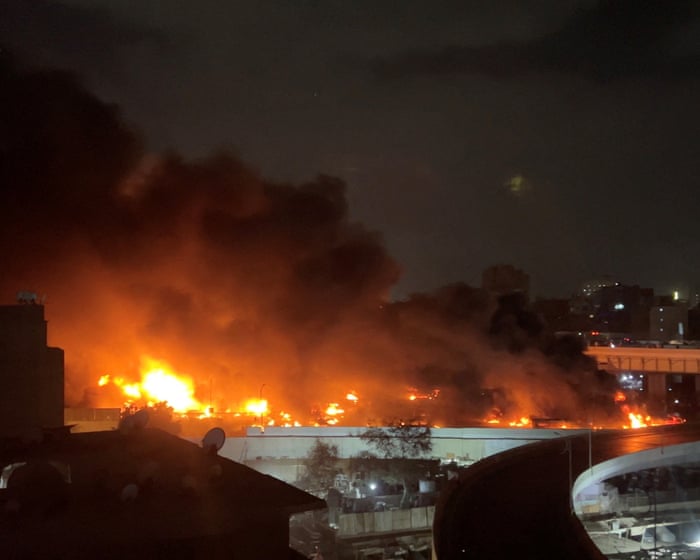
On Wednesday evening, a heavy fuel tanker lost control on the Cairo ring road, overturning and rupturing its cargo after colliding with a passenger vehicle. The resulting fire quickly engulfed the surrounding lane, trapping motorists and causing a death count that quickly rose to thirty, according to statements from Egyptian officials.
The conflagration spread across a two‑kilometre stretch, scorching several cars, motorcycles and a small bus. First‑responders from the civil defence, police and ambulance services converged on the scene, employing foam trucks and fire‑suppression equipment to contain the blaze. The highway was shut to all traffic for more than six hours, forcing commuters onto alternate routes and prompting traffic‑management teams to reroute thousands of vehicles.
Interior Ministry spokesperson Ahmed El‑Sayed conveyed condolences to the victims' families and pledged a thorough probe into the causes of the accident. He underscored that the investigation would examine driver fatigue, vehicle inspection records and compliance with hazardous‑material transport rules, while urging the public to remain vigilant about road safety.
In-Depth Analysis & Key Details
Egypt has long grappled with a high incidence of road fatalities, ranking among the world’s most dangerous traffic environments. Past incidents involving hazardous cargo—most notably a 2018 tanker explosion in the Nile Delta—have highlighted systemic weaknesses in driver certification, vehicle upkeep, and enforcement of safety corridors.
Regulatory oversight of fuel transport falls under the Ministry of Transport, yet periodic audits have revealed inconsistencies in adherence to international standards such as the UN Recommendations on the Transport of Dangerous Goods. Critics argue that lax penalties and insufficient roadside inspection infrastructure have allowed aging tankers to remain in service, increasing the probability of catastrophic failures.
Industry analysts note that Egypt’s reliance on road‑borne fuel deliveries—accounting for roughly 70% of domestic petroleum distribution—creates a vulnerable supply chain. The current tragedy may accelerate investments in rail‑based fuel conveyance and spur the adoption of real‑time monitoring technologies, while also exposing gaps in emergency‑response coordination that have hampered rapid containment in past incidents.
"The inferno exposed how a single lapse in safety protocol can cascade into a tragedy that reverberates across a nation."
Why This Matters & What Lies Ahead
For everyday commuters and small‑business owners, the loss of a major arterial route translates into longer travel times, higher fuel costs and heightened anxiety about road safety. The disaster also threatens national fuel supplies, as temporary rerouting of tanker traffic can strain storage facilities and disrupt market pricing.
Legislators are expected to convene a special parliamentary session within the next fortnight to examine the findings of the ongoing probe. Proposed measures include stricter licensing requirements for hazardous‑material drivers, mandatory electronic tracking of tanker movements, and increased funding for fire‑fighting units stationed along high‑risk corridors. Stakeholders will be watching closely as these policy debates unfold, given their potential to reshape Egypt’s transport safety landscape for years to come.
Source: Reported by The Guardian · Analyzed & Synthesized by DNB Newsroom


