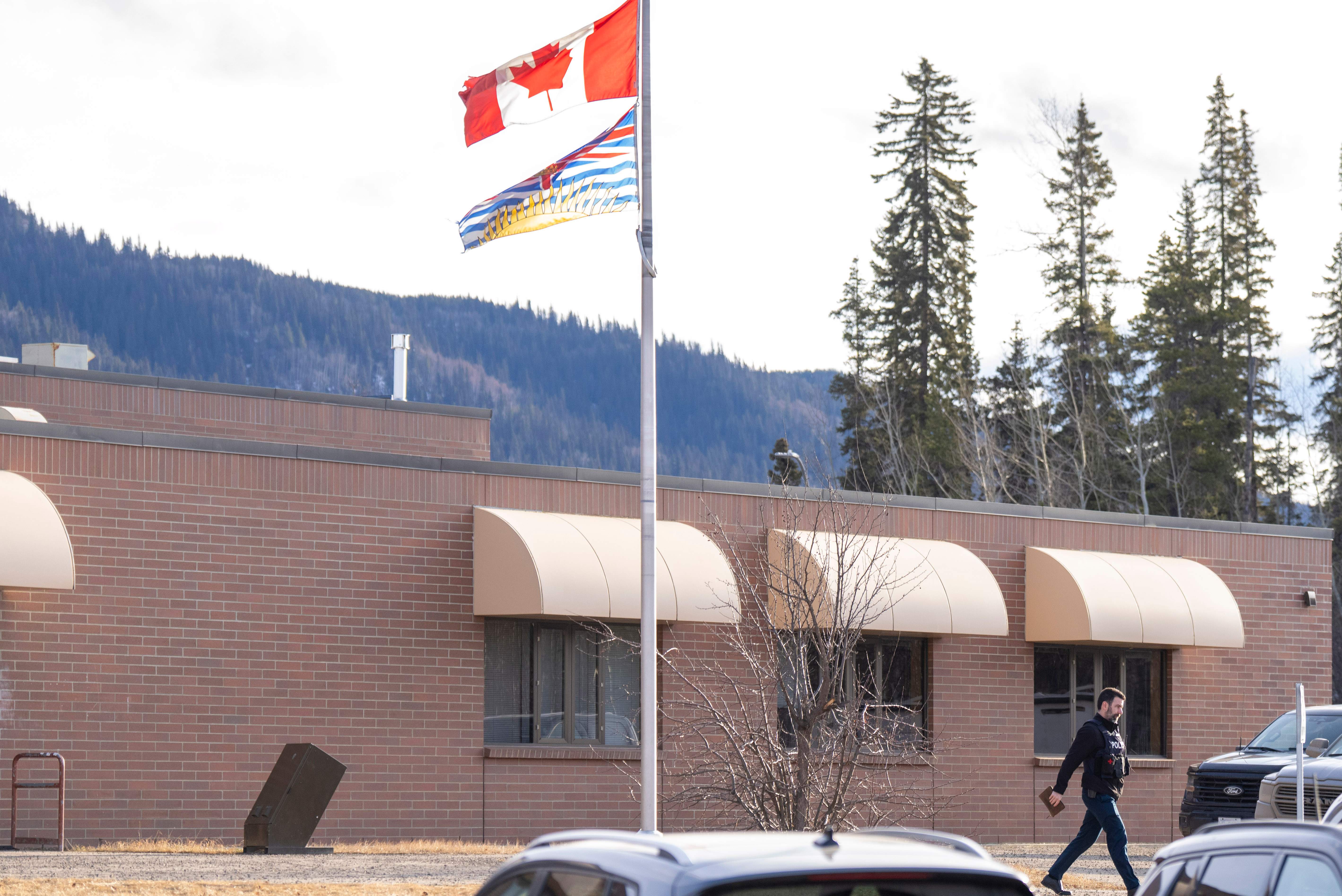
The political landscape in British Columbia has shifted sharply with the arrival of a new Conservative government, immediately setting the stage for a high-stakes confrontation over Indigenous rights legislation. A leading First Nations figure has publicly cautioned that the promised repeal of the Declaration on the Rights of Indigenous Peoples Act (DRIPA) will not pass without significant fallout. This warning marks the first major public test of the new administration's policy platform, highlighting the tension between the government's legislative agenda and the entrenched legal and moral commitments made to Indigenous communities over the past decade.
The DRIPA, enacted in 2019, was a landmark piece of legislation that required all laws and policies in British Columbia to be consistent with the United Nations Declaration on the Rights of Indigenous Peoples. By pledging to repeal this act, the new government is signaling a fundamental departure from the previous administration's approach to reconciliation. The geographical and political context is critical, as Indigenous lands constitute a significant portion of the province, making the legal status of these territories a central issue for resource development, infrastructure projects, and environmental protection.
In his remarks, the First Nations leader did not limit his comments to criticism; he also extended an olive branch by stating his willingness to work with Premier Lorne Doerkson. This dual message—warning of dire consequences while offering collaboration—underscores the complexity of the current political moment. It suggests that while the legislative fight over DRIPA is inevitable, the possibility of finding common ground on other issues, such as economic development or infrastructure, remains a viable path forward, provided the government engages in good faith.
In-Depth Analysis & Key Details
The push to repeal the DRIPA is rooted in a broader conservative critique of the previous government's approach to Indigenous rights, which opponents argue has created legal uncertainties that hinder economic growth and resource development. Historically, the implementation of DRIPA was intended to operationalize the UNDRIP, a global standard for Indigenous rights. However, critics within the resource and development sectors have long argued that the act's requirement for free, prior, and informed consent has slowed down projects, leading to economic stagnation in key industries such as forestry, mining, and energy. The new government's platform reflects a desire to streamline regulatory processes and attract investment, viewing the DRIPA as an obstacle rather than a foundation for partnership.
From a legal and regulatory perspective, the repeal would not only reverse a specific provincial law but also send a powerful signal about the province's stance on Indigenous sovereignty. This move could have ripple effects across Canada, influencing how other provinces approach similar legislation. Industry analysts observe that the uncertainty surrounding the repeal may initially lead to a 'wait-and-see' approach by investors, who are cautious about committing capital in a jurisdiction where the legal landscape is in flux. Conversely, proponents of the repeal argue that clarifying the legal framework will ultimately boost investor confidence and stimulate economic activity.
The debate also touches on deeper structural issues regarding the relationship between the Crown and Indigenous nations. While the government frames the repeal as a necessary step for economic modernization, Indigenous leaders view it as a retreat from meaningful reconciliation. This tension is not merely academic; it has practical implications for land use, environmental protection, and the rights of Indigenous communities to self-governance. The upcoming months will likely see intense legal challenges, public protests, and diplomatic negotiations as both sides seek to define the new normal in British Columbia.
"The repeal of the DRIPA is not just a policy shift; it is a fundamental redefinition of the social contract between the province and its Indigenous peoples, with consequences that will resonate far beyond the legislative chamber."
Why This Matters & What Lies Ahead
For everyday citizens in British Columbia, the outcome of this legislative battle will have tangible impacts on housing, healthcare, and economic opportunities. Indigenous communities, who have historically faced systemic disadvantages, stand to lose a critical legal tool that has been used to advocate for their rights and interests. Moreover, the instability created by the repeal could affect property values, business operations, and public services, as uncertainty often leads to delayed investments and reduced economic activity. The broader implication is a potential increase in social tension, as communities grapple with the implications of a government that appears to be prioritizing economic growth over established commitments to reconciliation.
In the coming weeks, several key milestones will determine the trajectory of this issue. The first will be the official introduction of the repeal bill in the provincial legislature, which will trigger a period of public consultation and debate. Legal experts will likely file motions to challenge the constitutionality of the repeal, arguing that it violates the duty to consult and the rights enshrined in the Canadian Constitution. Additionally, the reactions from federal partners, other provinces, and international bodies will be closely watched, as the move could influence broader national and global discussions on Indigenous rights. Stakeholders should monitor court dates, public hearings, and statements from federal officials to gauge the full scope of the legal and political fallout.
Source: Reported by CBC British Columbia · Analyzed & Synthesized by DNB Newsroom