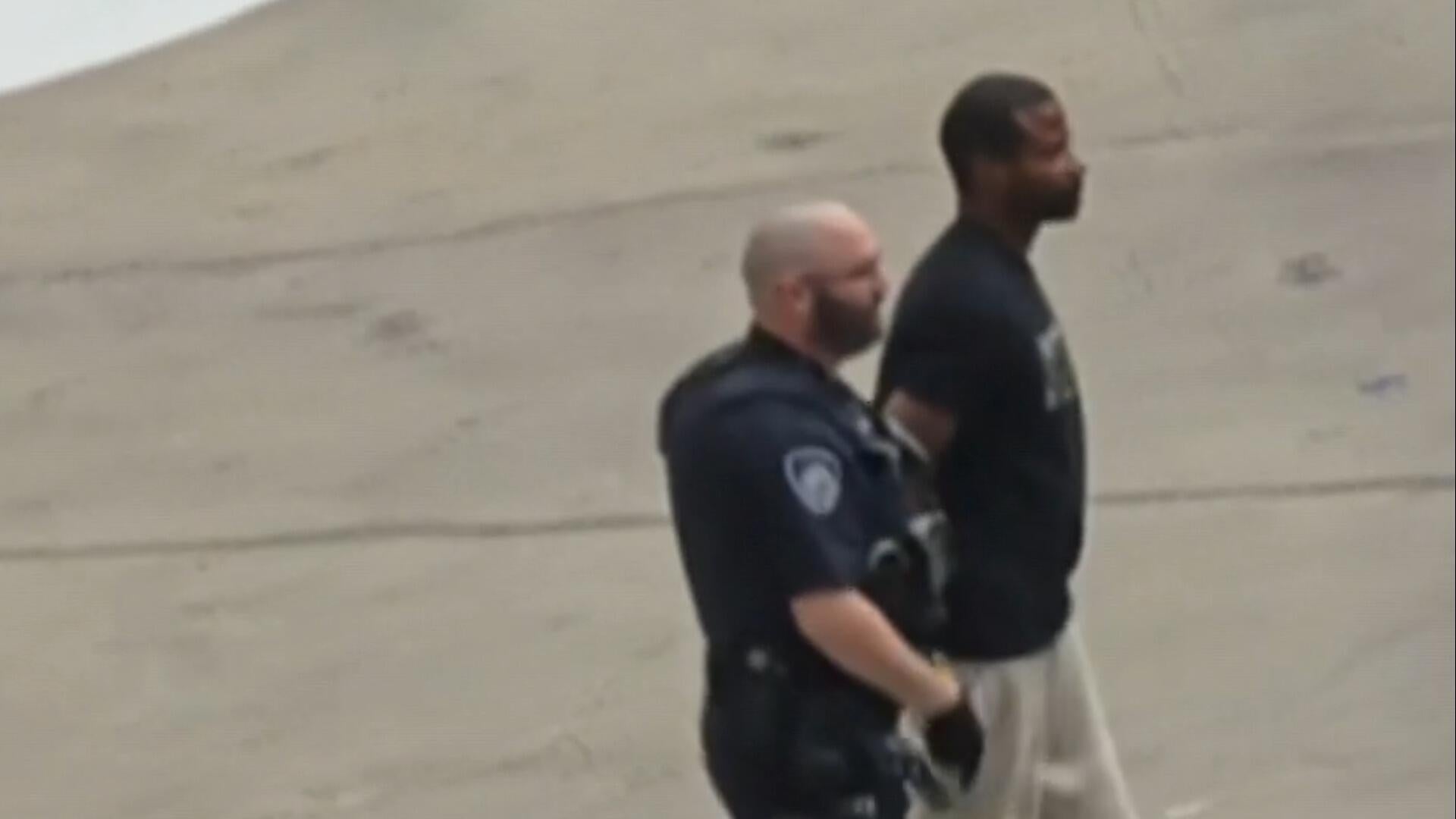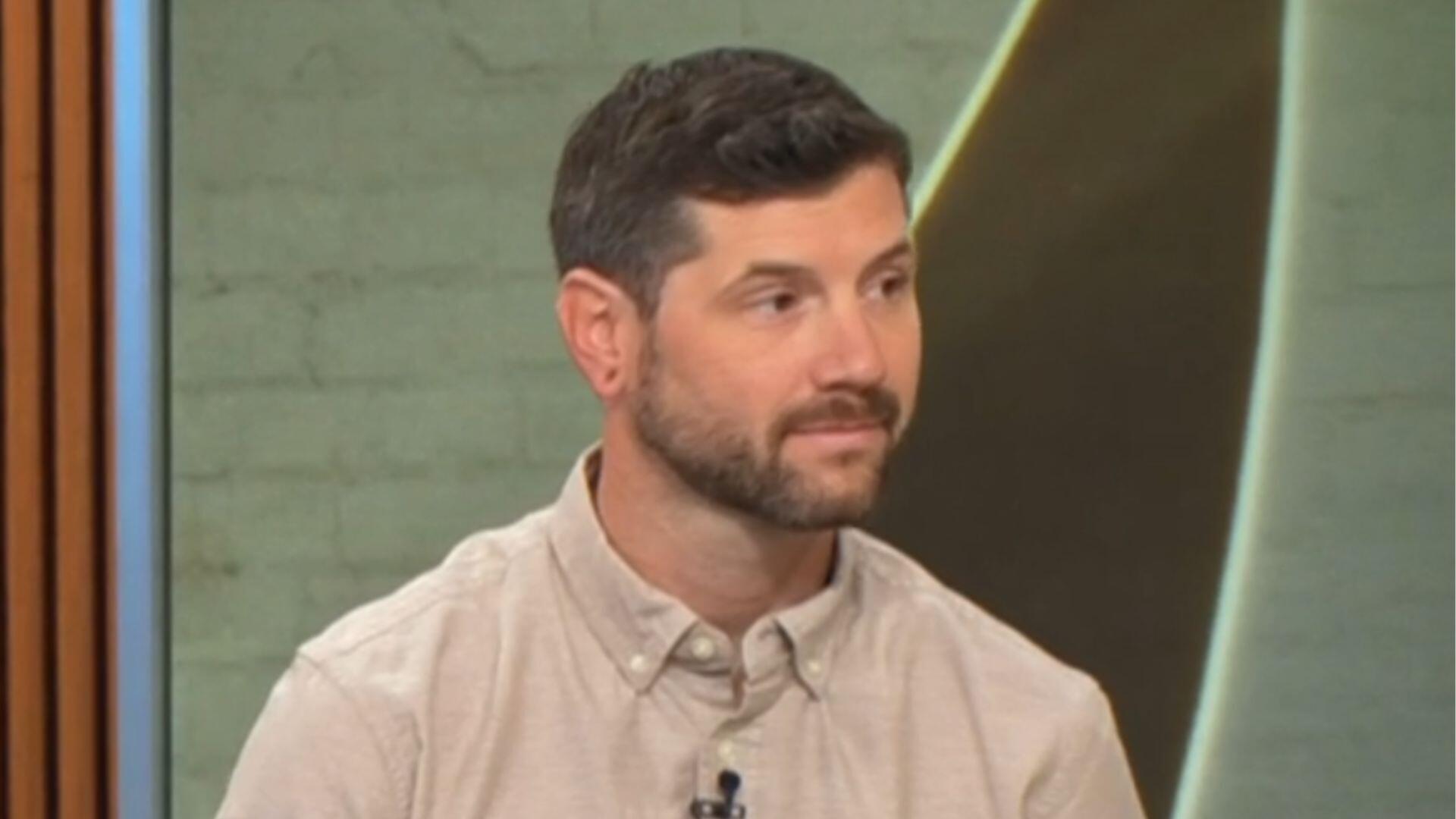
On the afternoon of March 15, 2024, a 28‑year‑old male armed with a handgun entered Riverbend Elementary School in Bend, Oregon, during a routine classroom period. Kaylub Giamanco, whose two daughters attended the school, was on campus for a parent‑teacher meeting when he observed the suspect moving toward a hallway. Recognizing the imminent danger, Giamanco, a former Marine with tactical training, moved to intercept the individual, engaging him before the assailant could reach a crowded area.
The confrontation unfolded in the school's main corridor, where Giamanco seized the weapon and restrained the suspect until law enforcement arrived. Oregon State Police arrived within minutes, securing the scene and confirming that no students, teachers, or staff sustained injuries. School officials praised Giamanco’s quick thinking, noting that the swift action averted what could have become a tragic mass‑shooting event.
In a televised interview with CBS News, Giamanco described his mental state as shifting into a focused, protective mindset, emphasizing that his training compelled him to act without hesitation. Superintendent Dr. Laura Mitchell issued a statement commending the father’s bravery while reaffirming the district’s commitment to reviewing emergency protocols and expanding safety drills.
In-Depth Analysis & Key Details
The Bend incident revives a longstanding national conversation about the adequacy of school security measures that dates back to the Columbine tragedy of 1999. Historically, many districts have relied on a combination of passive deterrents—such as locked doors—and active response teams, yet the frequency of school shootings has pressured policymakers to explore more aggressive interventions, including armed staff and volunteer responders.
Regulatory bodies at the state level, including the Oregon Department of Education, have recently issued guidance encouraging schools to develop comprehensive threat‑assessment teams. However, critics argue that reliance on parental intervention may create liability concerns and uneven safety standards across districts. Economic analyses suggest that implementing universal armed‑response programs could cost school districts upwards of $200 million annually, a figure that fuels debate among legislators balancing fiscal constraints with public safety imperatives.
Industry observers note that private security firms are experiencing heightened demand for consulting services in school environments, while technology providers are accelerating the rollout of AI‑driven surveillance systems. Yet, civil‑rights groups caution that increased surveillance and armed presence may disproportionately affect marginalized communities, urging a balanced approach that incorporates mental‑health resources and community engagement.
""In that moment I switched into a protective stance, knowing I had to act before any child was harmed," Giamanco said, underscoring the personal responsibility he felt amid the crisis."
Why This Matters & What Lies Ahead
The immediate consequence of Giamanco’s intervention is a palpable sense of relief among parents, educators, and local officials, reinforcing the belief that rapid, decisive action can save lives. For the broader public, the episode underscores the fragile nature of school safety and the potential role of civilian responders in emergency scenarios, prompting families nationwide to reassess personal preparedness and advocacy for stronger protective measures.
Looking ahead, the Oregon legislature is slated to debate a bill that would allocate additional funding for active‑shooter training programs and explore the feasibility of volunteer security volunteers in public schools. Federal hearings on school‑shooting prevention are scheduled for early 2025, where lawmakers are expected to reference the Bend case as a catalyst for policy reform. Stakeholders—including education boards, law‑enforcement agencies, and gun‑safety organizations—will closely monitor the outcomes of these deliberations, which could reshape the national framework for school security.
Source: Reported by CBS News · Analyzed & Synthesized by DNB Newsroom