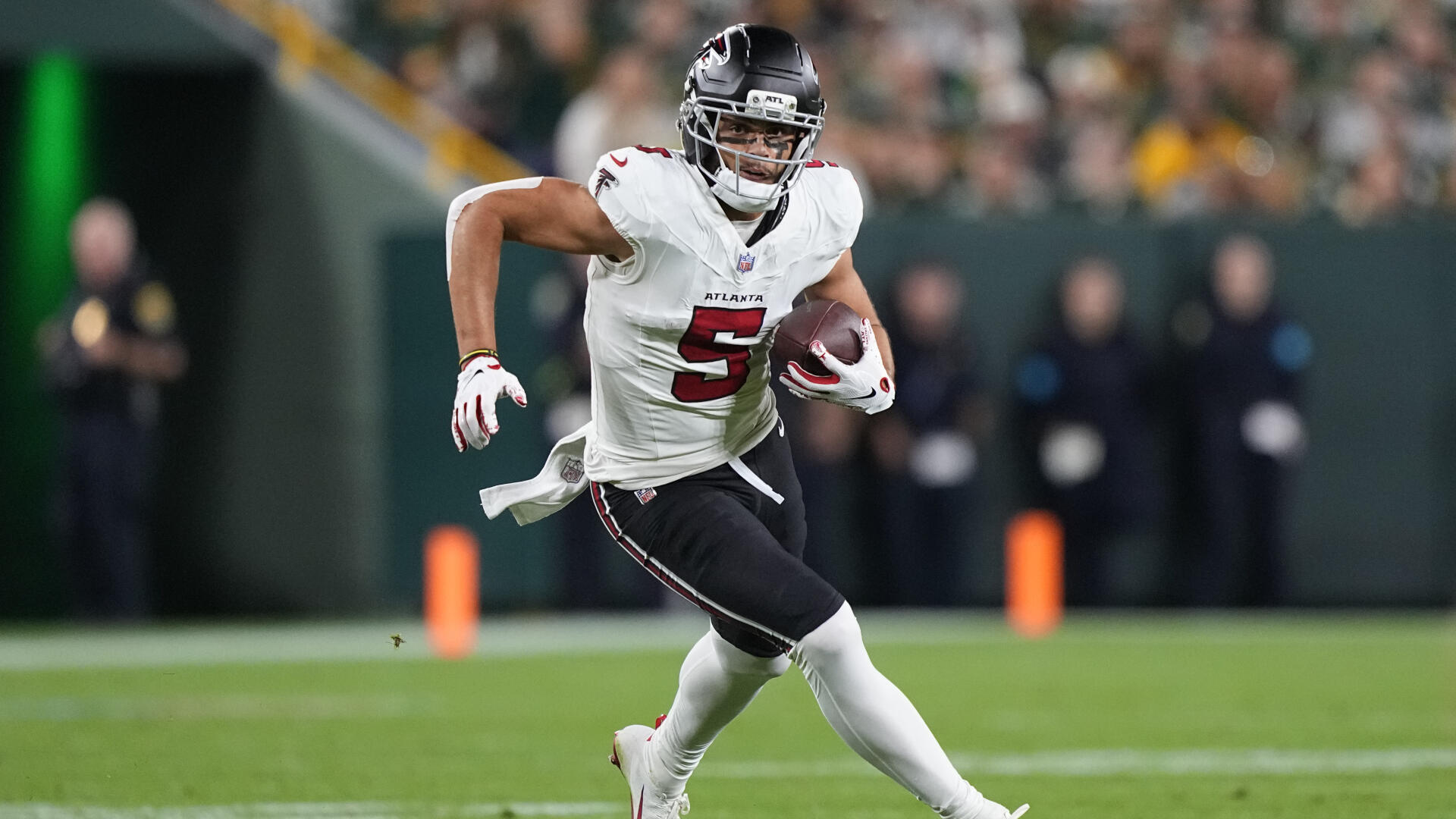
The NFL’s Week 12 schedule culminates in a high-stakes Thanksgiving Day slate that has triggered a wave of strategic recalibration among fantasy football managers. With multiple marquee matchups scheduled for the holiday, the usual clarity of weekly lineup decisions has been replaced by a fog of uncertainty driven by injury reports and bye-week conflicts. This specific window of the season is historically notorious for its unpredictability, forcing participants to move beyond standard projected stats and into a deeper analysis of contextual risk factors.
The operational challenge is compounded by the geographical and scheduling density of the Thanksgiving games. Unlike a standard Sunday slate, where injuries are typically reported in real-time with ample time for lineup adjustments, the holiday context often compresses the decision-making timeline. Managers must account for the fact that players who are viable starters on paper may be ruled out hours before kickoff, or conversely, may see increased snaps due to the absence of other key personnel. This dynamic requires a fluid approach to roster management that prioritizes immediate availability over long-term trend lines.
Industry analysts and fantasy experts have issued varying degrees of caution regarding specific positions. The primary declaration from fantasy advisory teams is that the 'safe' picks are fewer this week than in previous weeks. There is a consensus that the Thanksgiving slate demands a higher tolerance for variance, particularly at running back and wide receiver positions, where the physicality of the holiday games can lead to sudden, career-altering injuries. The immediate response from the fantasy community has been a surge in last-minute lineup changes and a heightened scrutiny of official injury reports released in the 24 hours preceding the games.
In-Depth Analysis & Key Details
The structural forces at play in Week 12 are rooted in the NFL’s seasonal rhythm and the specific physiological demands of the holiday schedule. Historically, the Thanksgiving games have served as a microcosm of the league’s broader injury trends, often featuring high-impact collisions and defensive schemes that prioritize stopping the run. This context is critical for fantasy managers, as it shifts the value proposition of skill position players. The analysis of past Thanksgiving slates reveals a pattern where players who are heavily targeted in the passing game face elevated risk if the defensive scheme dictates a blitz-heavy approach, creating a tension between projected volume and physical safety.
Competing perspectives within the fantasy community center on the degree of risk one should assume. Some analysts advocate for a conservative approach, suggesting that managers should lean on veteran players with proven durability, even if their projected stats are lower. Others argue for an aggressive stance, positing that the high variance of the Thanksgiving slate offers an opportunity to outperform the league by targeting under-the-radar players who might see increased usage due to the absence of starters. This debate reflects a broader tension in fantasy sports between stability and upside, with the Thanksgiving week acting as a stress test for a manager’s risk tolerance.
Expert domain context indicates that the 1-10 confidence scale is a necessary tool in this environment. This metric allows for a nuanced differentiation between players who are likely to start and those who are in a coin-flip situation. The intricacies of this scale are particularly important for positions like tight end and quarterback, where the depth of the roster and the specific matchup can drastically alter the expected output. The technical aspect of this analysis involves tracking not just the players, but the defensive tendencies of the opposing teams, which can shift the entire calculus of a lineup decision.
"The Thanksgiving slate is not a test of who has the best players, but a test of who has the best information and the courage to act on it before the clock runs out."
Why This Matters & What Lies Ahead
For the average fantasy participant, the stakes of Week 12 extend beyond a single week’s standings; they impact the trajectory of an entire playoff run. A poor decision on Thanksgiving can result in a significant drop in points, potentially costing a manager their playoff position in a tightly contested league. The financial and social implications of these decisions are amplified by the communal nature of fantasy football, where league standings often dictate social standing and participation in future seasons. Moreover, the heightened media attention on the Thanksgiving games means that any injury or performance anomaly is quickly amplified, influencing waiver wire values and trade requests in the days following the games.
Upcoming milestones to monitor include the release of final injury reports in the 48 hours leading up to the games, which will provide the most critical data for lineup adjustments. Additionally, the post-game injury reports will be crucial for determining the long-term viability of key players for the remainder of the season. Managers should also keep an eye on the waiver wire activity in the 24 hours following the games, as any significant injuries will likely trigger a rush of pickups that can alter the landscape for the final stretch of the regular season. The ability to react swiftly and accurately to these developments will be a key differentiator for those looking to maintain a competitive edge.
Source: Reported by CBS Sports · Analyzed & Synthesized by DNB Newsroom


