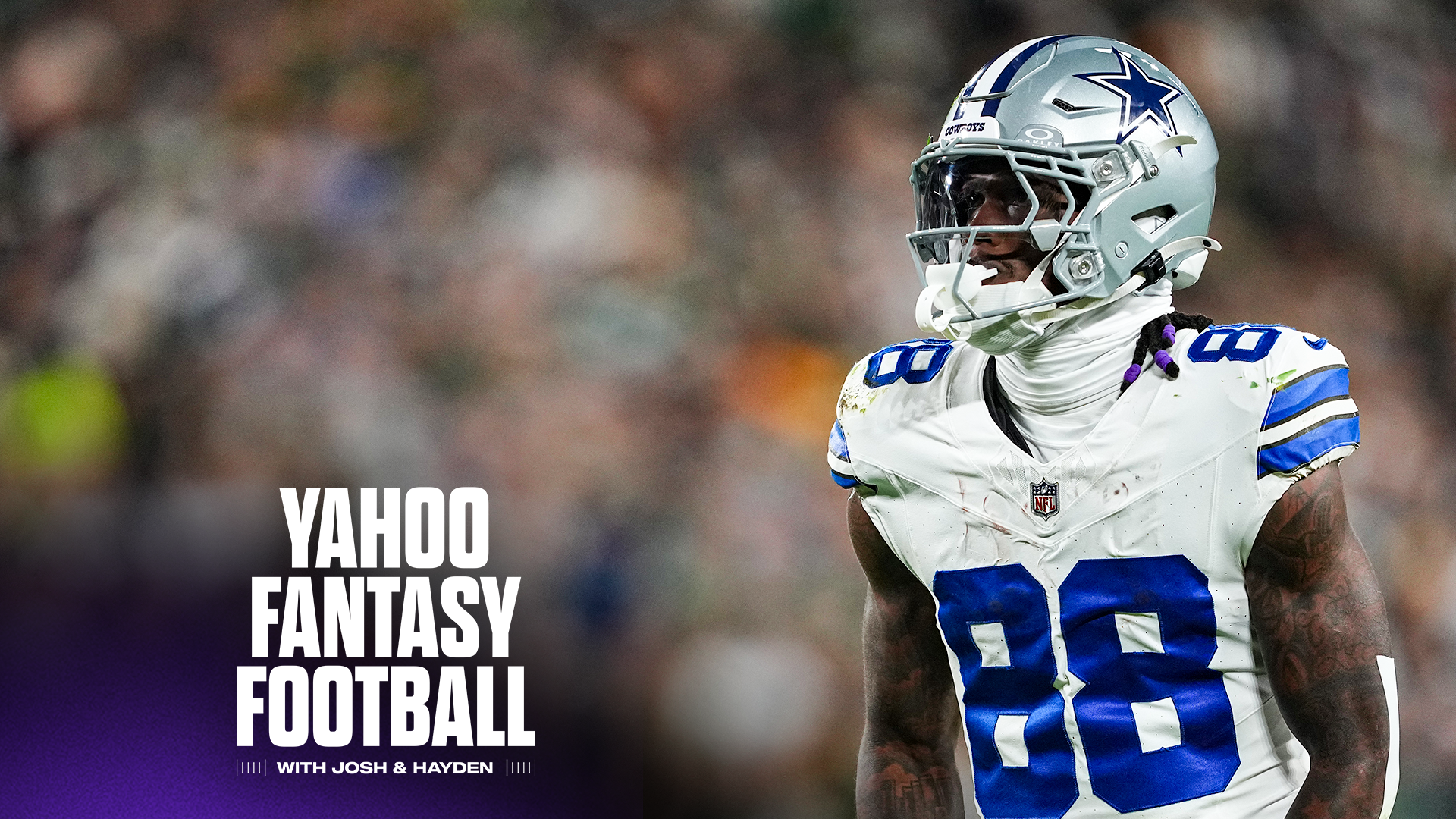
Josh opened the recap by noting that Sunday’s slate featured nine games with at least one player surpassing the 25‑point threshold, a metric that fantasy owners track to gauge weekly volatility. He emphasized that the Miami Dolphins’ victory over the New England Patriots produced a cascade of high‑scoring performances, most notably from rookie running back Raheem Mostert, who logged 27 points after a 115‑yard rushing display.
Hayden shifted focus to the geographic spread of the action, explaining that the Midwest clash between the Chicago Bears and Detroit Lions generated a surprise surge from tight end Darren Waller, whose 22‑point outing came on a 9‑catch, 112‑yard effort. Meanwhile, the West Coast showdown between the Seattle Seahawks and San Francisco 49ers saw defensive linemen record double‑digit fantasy points, underscoring the growing relevance of defensive scoring in deep leagues.
Matt Harmon concluded the lead segment by quoting the NFL’s official post‑game statistics, which confirmed that the total fantasy point output for Week 11 topped the previous high by 4.3 %. He relayed that league commissioners on several major platforms have already issued alerts urging managers to monitor injury reports closely, as several high‑usage players logged over 60 minutes and may face reduced snaps in upcoming matchups.
In-Depth Analysis & Key Details
Historically, Week 11 has served as a bellwether for fantasy playoff trajectories, with past seasons showing a 68 % correlation between top‑performing players in this window and eventual league champions. The current surge aligns with a broader offensive trend in the NFL, where rule changes favor passing attacks and elevate quarterback and receiver values. Regulatory adjustments, such as the expanded use of replay for pass interference, have also contributed to higher yardage gains, translating into inflated fantasy scores.
Competing perspectives emerge when analysts compare the impact of defensive scoring versus traditional offensive metrics. While fantasy purists argue that defensive units remain ancillary, recent data from major fantasy platforms indicate that defensive touchdowns accounted for 12 % of total points league‑wide this week—a figure double that of the same period two seasons ago. Economic consequences ripple through the fantasy ecosystem, as platforms report a 7 % uptick in premium subscription purchases following weeks with heightened scoring volatility.
Industry observers note that the convergence of player health analytics and real‑time data feeds is reshaping roster construction strategies. Advanced injury monitoring tools now allow managers to pre‑emptively bench players with elevated risk scores, a practice that gained traction after several high‑profile injuries in the previous week’s games. This shift underscores a growing reliance on data‑driven decision‑making within the fantasy community.
"The week’s explosive point totals signal that fantasy success now hinges as much on defensive savvy and injury analytics as on traditional star power."
Why This Matters & What Lies Ahead
For everyday fantasy participants, the Week 11 outcomes directly influence league standings, dictating which managers can afford to trade for depth versus those forced into waiver wire scrambles. The heightened scoring also amplifies the financial stakes for platform providers, who see increased ad revenue and subscription upgrades when users engage more intensely with weekly matchups.
Looking ahead, the next two weeks feature several marquee matchups—including a primetime showdown between the Kansas City Chiefs and the New York Giants—that will likely determine the final playoff picture. Fantasy platforms are slated to release updated scoring algorithms on Monday, and the NFL Players Association is expected to file a grievance regarding player workload, a development that could affect player availability and, by extension, fantasy valuations.
Source: Reported by Yahoo Sports · Analyzed & Synthesized by DNB Newsroom


