Federal regulators announced Saturday that the controlled explosion at the Des Moines‑area munitions plant did not cause a detectable spike in lead within the region's drinking water, a conclusion drawn from an extensive sampling campaign conducted by the EPA and Iowa's Department of Natural Resources.
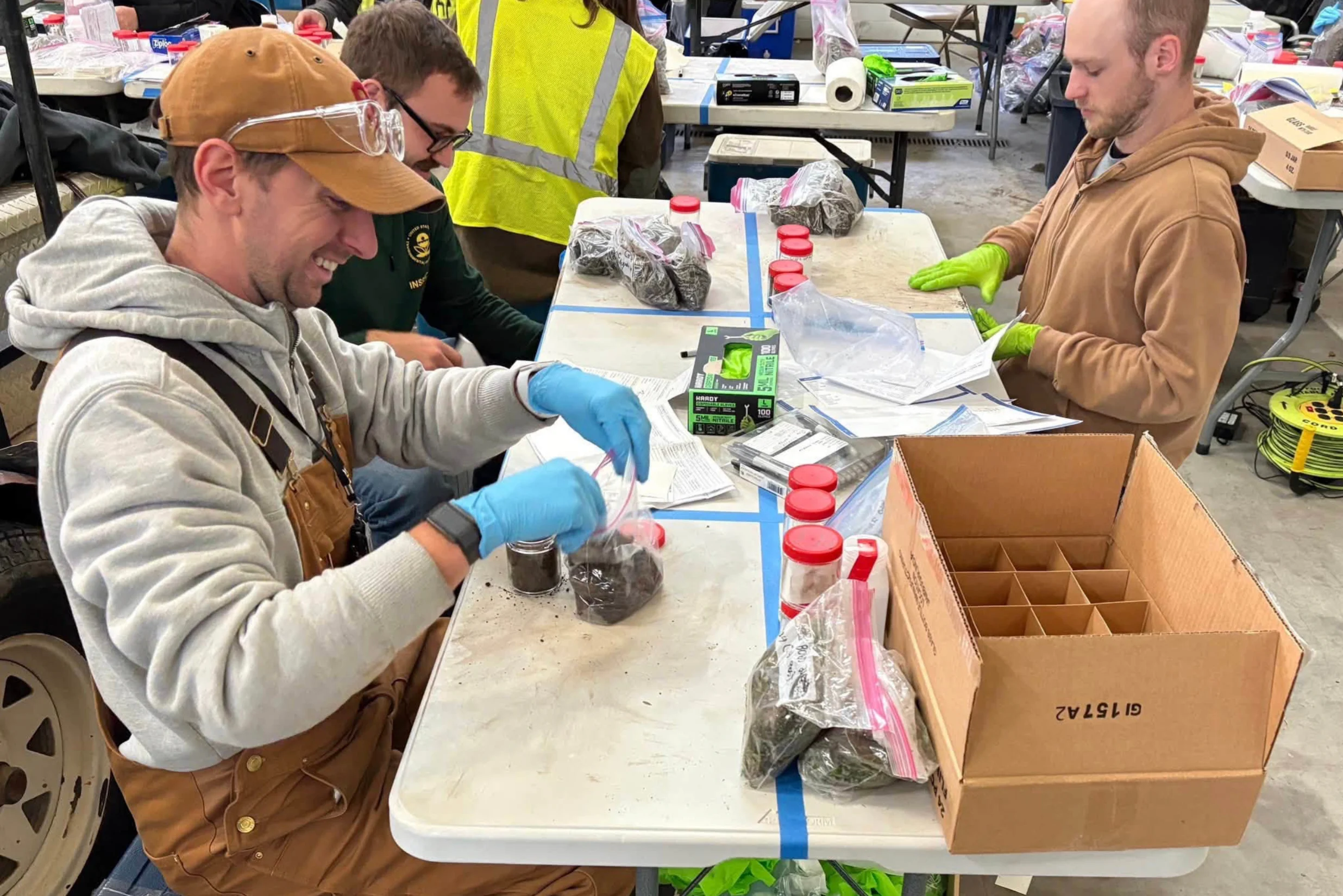
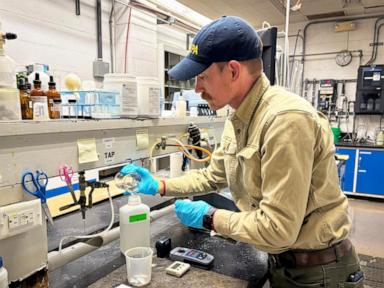
The blast, executed on Thursday as part of a remediation effort to dismantle aging ammunition stockpiles, took place on the outskirts of the town of Ankeny, adjacent to the North Raccoon River watershed that supplies water to roughly 200,000 residents. Field teams collected grab samples from municipal taps, private wells, and upstream river points within a 10‑mile radius.
EPA spokesperson Lisa Hernandez emphasized that “the data show no statistically significant increase in lead,” while local officials praised the rapid response, noting that schools and hospitals were kept informed throughout the testing process. Community groups, though relieved, called for continued transparency as the final analysis is compiled.
In-Depth Analysis & Key Details
The Iowa incident revives a decades‑long debate over the environmental legacy of military‑industrial sites, many of which were sited near water bodies during World War II and the Cold War. Historical records indicate that lead‑based ordnance can leach heavy metals into groundwater when not properly contained, prompting stricter EPA guidelines after the 1970s Superfund era.
Regulators today balance the need to neutralize obsolete munitions against the risk of contaminant release, a tension reflected in the agency’s updated National Contingency Plan that mandates pre‑detonation water quality baselines and post‑event monitoring. Industry analysts observe that the Iowa test protocol—over 200 samples in a compressed timeframe—sets a new benchmark for future demolition projects, potentially influencing federal grant allocations for similar clean‑up operations.
Environmental watchdogs note that while the preliminary results are reassuring, they underscore the importance of long‑term data collection. The EPA’s decision to issue a provisional report, rather than a final determination, aligns with its standard practice of publishing a draft for public comment before concluding a comprehensive assessment.
"The absence of a measurable lead spike demonstrates that rigorous pre‑detonation safeguards can protect public water supplies even in high‑risk demolition scenarios."
Why This Matters & What Lies Ahead
For residents who rely on the North Raccoon River system, the findings translate into immediate reassurance that tap water remains safe for consumption, cooking, and irrigation—a critical factor for households, schools, and agricultural enterprises in central Iowa. Moreover, the outcome influences investor confidence in companies that specialize in explosive ordnance disposal, as regulatory certainty can affect project timelines and cost structures.
The EPA has scheduled a public hearing on the final report for late February, where stakeholders can review the full data set and discuss potential revisions to state‑level water‑quality standards. Lawmakers are also tracking a pending congressional bill that would allocate additional funding for monitoring infrastructure at former defense sites, a measure that could shape the regulatory landscape for years to come.
Source: Reported by ABC News · Analyzed & Synthesized by DNB Newsroom