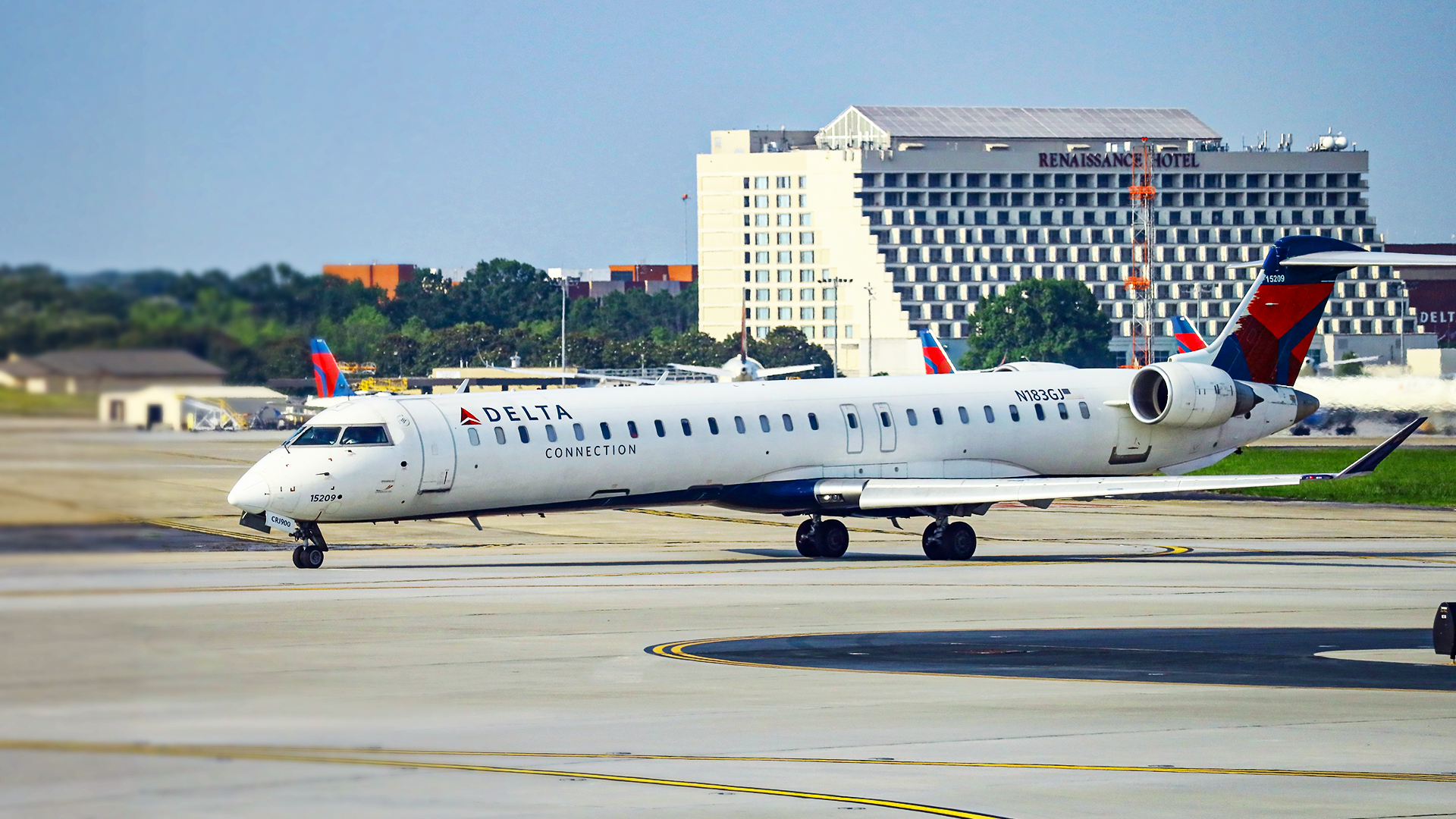
Endeavor Air, a wholly owned subsidiary of Delta Air Lines, has implemented a definitive framework for pilot career progression that directly links regional service to mainline opportunities. Under the newly emphasized Career Advancement Program, first officers who attain the rank of captain at Endeavor Air become eligible for advancement within the Delta Air Lines organization after completing 24 months in the command seat. This policy removes the need for an additional, separate interview process for these pilots, streamlining the transition from regional to mainline operations and recognizing their accumulated experience and proficiency.
The operational context of this development reflects the increasing integration of regional carriers into the core workforce of major airlines. By establishing a clear timeline and set of criteria, Endeavor Air is providing a predictable path for its pilots to grow within the broader Delta ecosystem. This approach contrasts with previous models where regional pilots often faced uncertain or opaque processes when seeking advancement, creating friction in the talent pipeline. The 24-month benchmark serves as a measurable standard, ensuring that only those with sufficient command experience are considered for higher-level roles within the parent company.
Industry observers note that this structured advancement pathway is a strategic response to the competitive landscape in aviation talent management. By offering a clear, merit-based route to captaincy and subsequent mainline opportunities, Endeavor Air aims to attract and retain high-caliber pilots who might otherwise seek employment with other carriers. The elimination of the extra interview step for eligible candidates signals a trust in the quality of training and performance evaluation conducted within the Endeavor Air system, reinforcing the value of regional experience in the broader airline industry.
In-Depth Analysis & Key Details
Historically, the relationship between regional carriers and major airlines has been characterized by a distinct separation in workforce management, with regional pilots often viewed as a separate pool of talent. However, the trend toward greater integration has accelerated in recent years, driven by the need for operational efficiency and talent retention. Endeavor Air’s Career Advancement Program represents a maturation of this integration, moving from informal or ad-hoc advancement opportunities to a formalized, policy-driven structure. This shift reflects a broader industry recognition that regional experience is a critical component of pilot development, and that investing in the career growth of regional pilots yields significant returns in terms of workforce stability and operational excellence.
From a regulatory and economic perspective, this structured advancement model addresses key challenges in the aviation labor market. The pilot shortage, exacerbated by retirements and increased demand for air travel, has made talent retention a top priority for airlines. By providing a clear path to advancement, Endeavor Air is able to offer a compelling value proposition to its pilots, reducing the likelihood of attrition to competitors. This not only benefits Endeavor Air but also Delta Air Lines, which gains access to a steady stream of experienced pilots who have been thoroughly vetted and trained within the regional system. The economic implications are significant, as reduced turnover and streamlined recruitment processes can lead to substantial cost savings and improved operational reliability.
Industry analysts observe that this approach sets a precedent for other regional carriers seeking to enhance their appeal to pilots. The success of Endeavor Air’s program will likely be closely monitored by competitors, who may adopt similar strategies to retain their own talent. The key to the program’s effectiveness lies in its transparency and consistency, ensuring that pilots have a clear understanding of the requirements for advancement and the timeline for achieving their career goals. This level of clarity is essential for building trust and fostering a positive work environment, which are critical factors in long-term talent retention.
"By codifying the 24-month captaincy threshold, Endeavor Air transforms regional service from a stepping stone into a verified credential, ensuring that mainline command is earned through demonstrated operational excellence rather than procedural hurdles."
Why This Matters & What Lies Ahead
For everyday travelers, this development contributes to the stability and reliability of the air travel network. A well-trained and retained pilot workforce is essential for maintaining high safety standards and operational efficiency, which directly impact the passenger experience. By reducing turnover and ensuring a steady pipeline of experienced pilots, Endeavor Air and Delta Air Lines are better positioned to meet the demands of a growing travel market, potentially leading to more consistent service and fewer disruptions. Additionally, the focus on career advancement and professional development within the aviation sector can have broader positive effects on the industry, fostering a culture of excellence and continuous improvement.
Looking ahead, the success of this Career Advancement Program will be a key indicator of the effectiveness of integrated workforce strategies in the aviation industry. Stakeholders should monitor the program’s impact on pilot retention rates, operational performance, and overall workforce satisfaction. Upcoming milestones may include the publication of detailed performance metrics related to the program, as well as any adjustments or expansions to the advancement criteria based on initial results. Regulatory bodies and industry associations may also take an interest in this model, potentially influencing future standards for pilot training and career progression across the sector.
Source: Reported by Simple Flying · Analyzed & Synthesized by DNB Newsroom