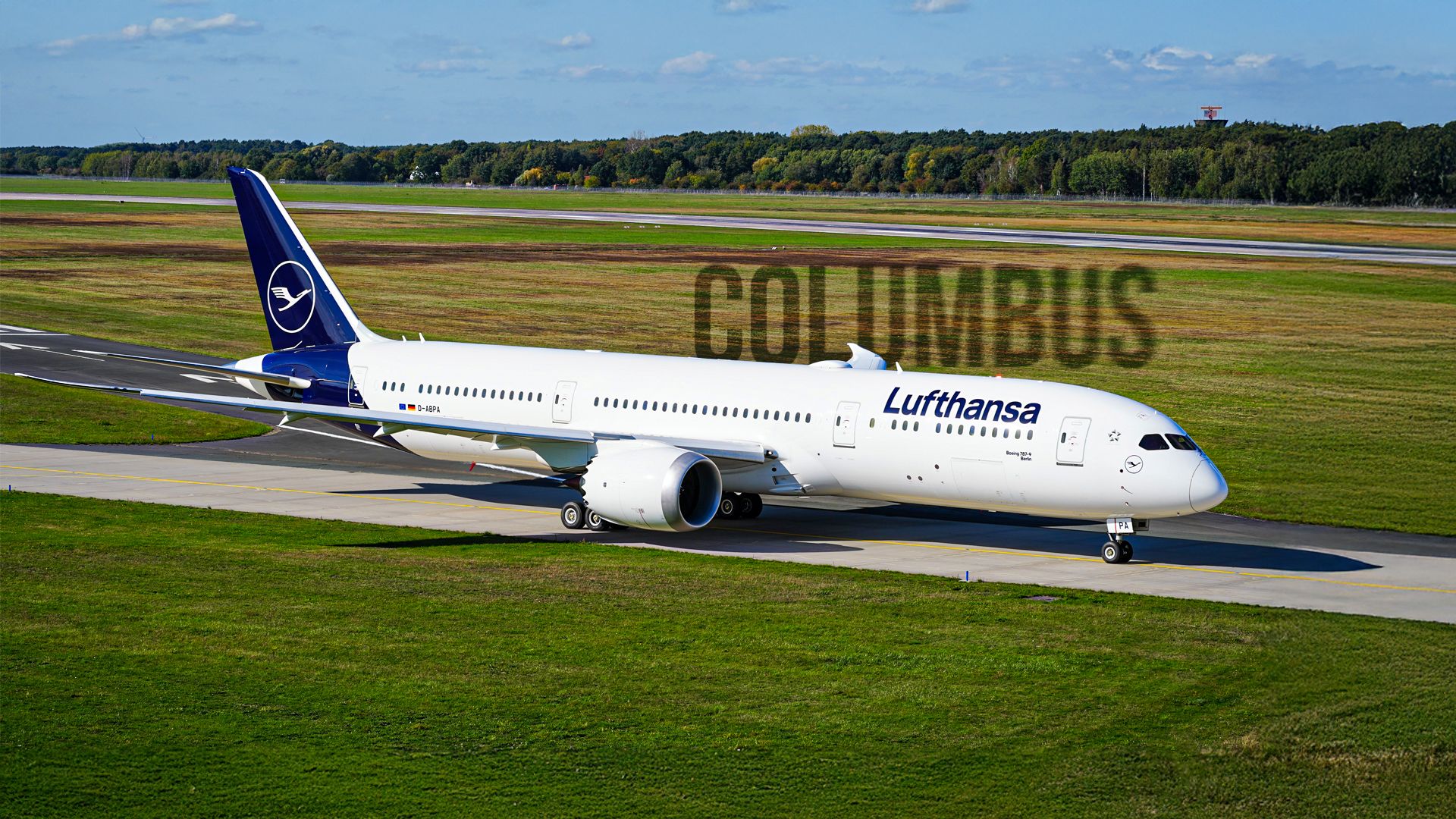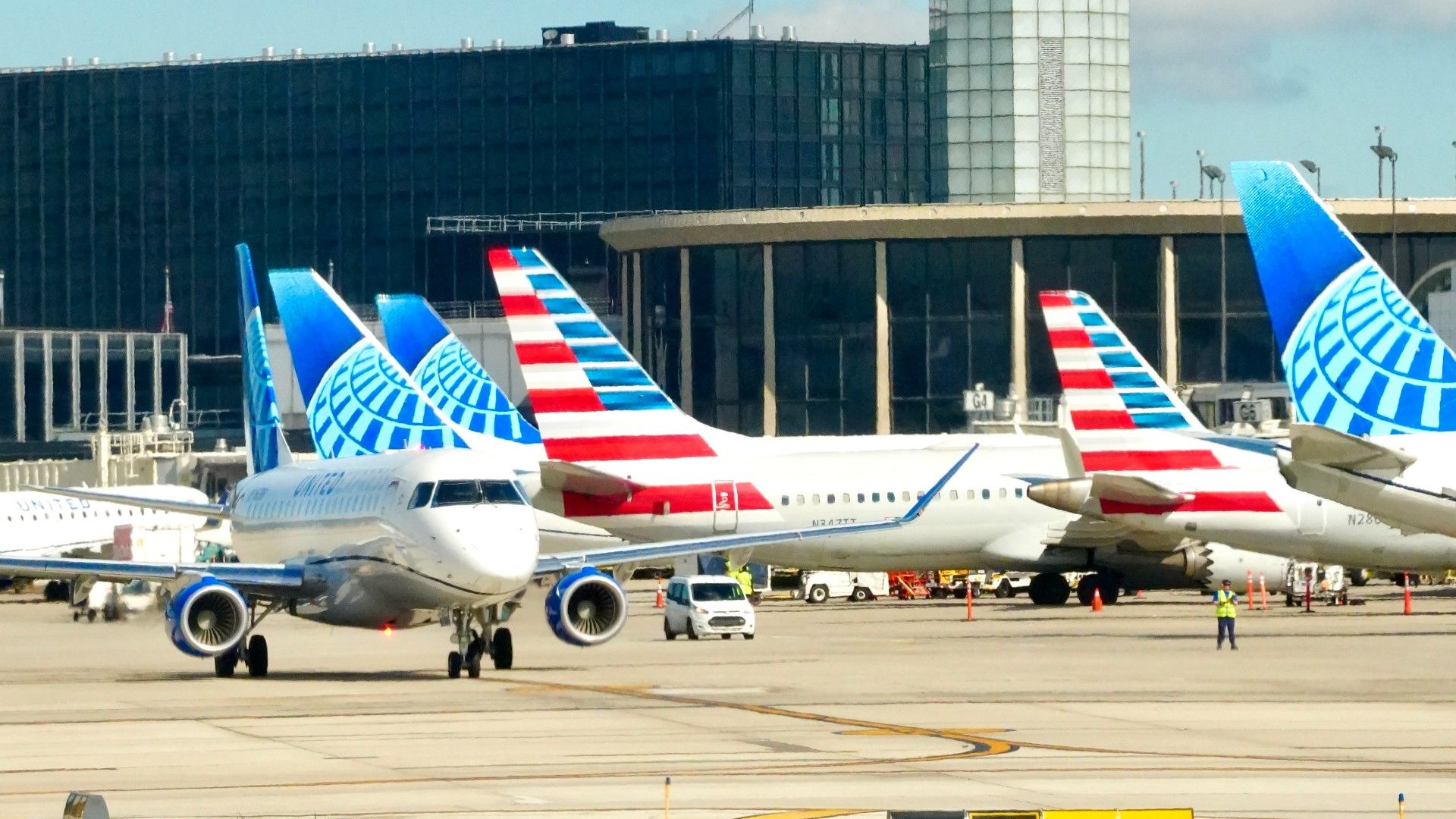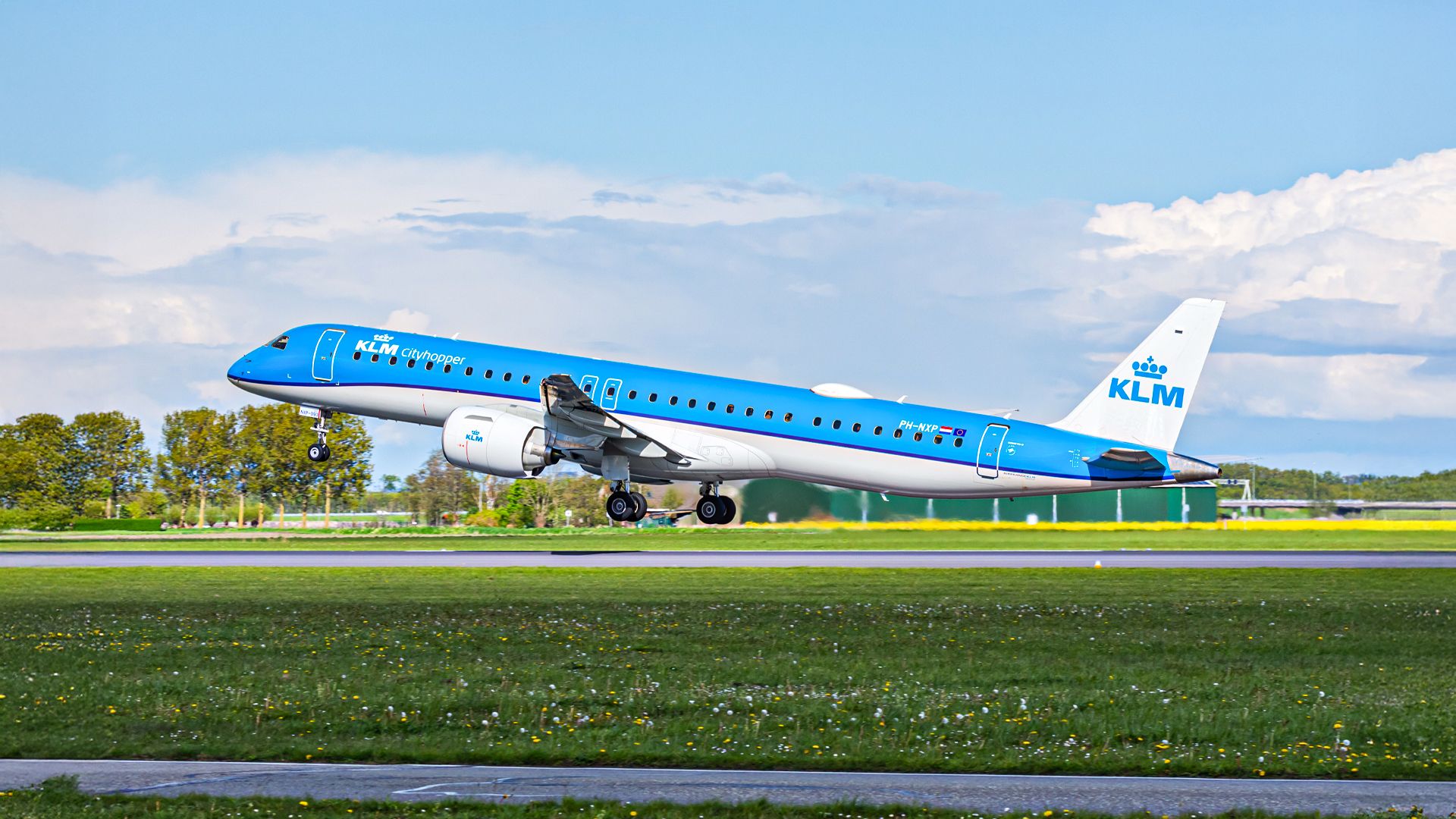
Embraer announced that its E2 series – the E175‑E2, E190‑E2 and E195‑E2 – will take roughly 13 to 15 months from order to rollout, a timeline that undercuts the current waiting period for many Airbus A320neo and Boeing 737 MAX aircraft. Airlines facing months‑long delivery backlogs are now evaluating the Brazilian jet as a viable near‑term replacement.
The backlog for the A320neo family and the 737 MAX has swelled as manufacturers contend with supply‑chain constraints and certification bottlenecks, leaving some carriers without new aircraft for over a year. In response, several carriers in North America and Europe have placed provisional orders for the E2, hoping to bridge the gap in capacity while awaiting their original deliveries.
In-Depth Analysis & Key Details
The root of the backlog lies in a combination of post‑pandemic demand spikes, limited engine output and tightened regulatory scrutiny, which have slowed the output rates of both Airbus and Boeing. Embraer, by contrast, operates a more flexible assembly line and benefits from a diversified supplier base, allowing it to keep its build schedule comparatively brisk.
While some analysts argue that the E2’s modest performance envelope limits its appeal to high‑density routes, others point to its lower operating costs and modern avionics as compelling advantages for regional airlines. Technically, the E2’s Pratt & Whitney geared turbofan delivers up to 20% better fuel efficiency than older models, a factor that could sway cost‑conscious carriers away from waiting for the larger jets.
"Embraer’s faster‑to‑market timeline is reshaping the competitive calculus for airlines caught in the A320neo and 737 MAX delivery squeeze."
Why This Matters & What Lies Ahead
For passengers, the redistribution of aircraft orders could translate into steadier flight schedules and potentially lower fares as airlines balance capacity with cost. Moreover, regional airports that rely on smaller jets may see increased service frequency if carriers adopt the E2 to fill the delivery gap.
Stakeholders will watch Embraer’s first deliveries slated for early 2027, while Airbus and Boeing are expected to announce capacity‑boosting initiatives later this year. Regulatory bodies may also revisit certification pathways to alleviate bottlenecks, making the coming months critical for the sector’s recovery.
Source: Reported by Simple Flying · Analyzed & Synthesized by DNB Newsroom